ADHD and Dopamine Imbalance: Understanding the Brain–Body Connection
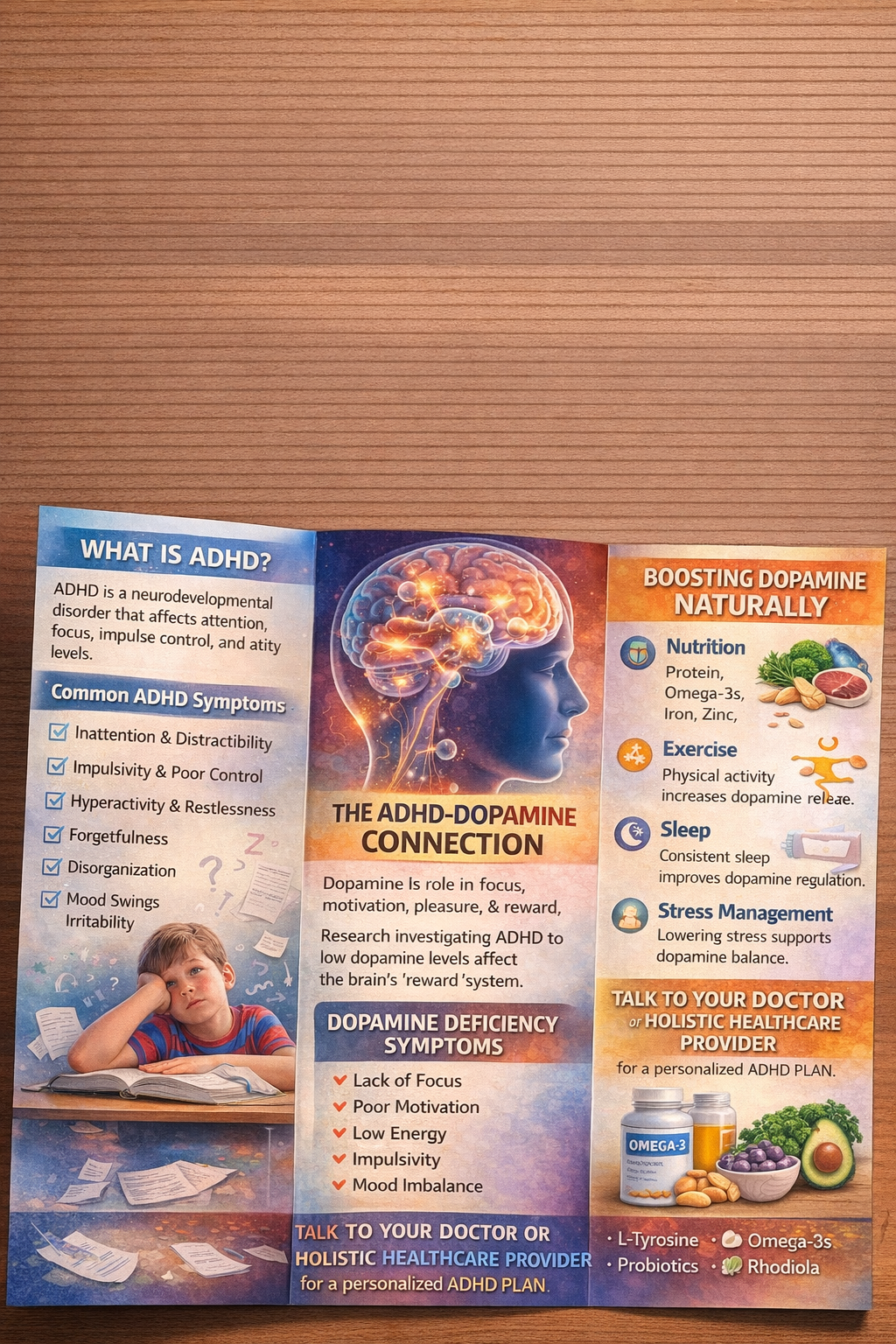
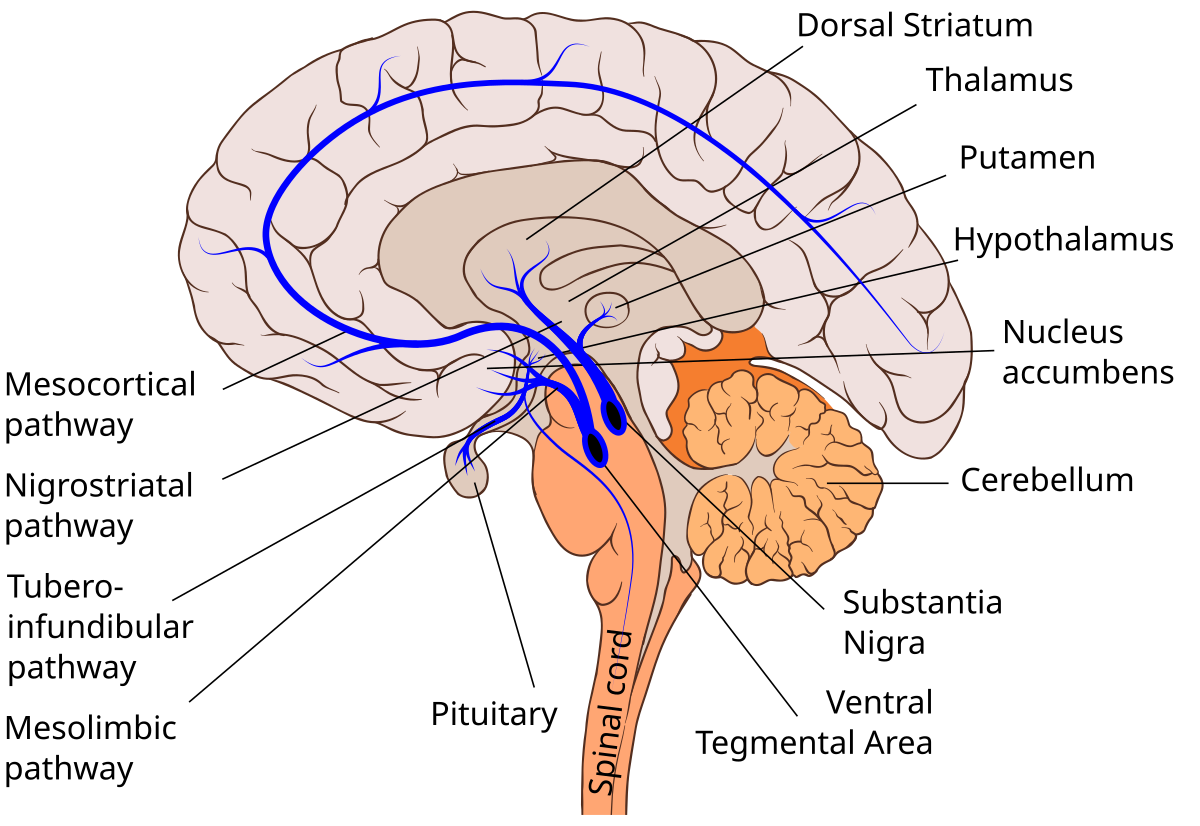
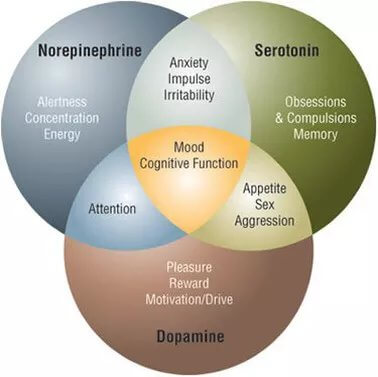

ADHD is often reduced to a problem of focus or behavior, but from a clinical standpoint, it is deeply connected to dopamine signaling in the brain. Dopamine plays a key role in attention, motivation, executive function, and emotional regulation.
At Sheen Vein Aesthetics & Functional Medicine in St. Louis, we view ADHD through a whole-body lens, recognizing that brain chemistry is influenced by metabolism, inflammation, gut health, and stress physiology.
Dopamine and ADHD
Dopamine helps regulate:
- Focus and attention
- Task initiation and completion
- Reward processing
- Emotional balance
When dopamine signaling is dysregulated, individuals may experience distractibility, impulsivity, low motivation, or mental fatigue.
Why ADHD Is Not Just a Brain Issue
Dopamine production and receptor sensitivity are influenced by:
- Nutrient status
- Blood sugar regulation
- Gut health
- Chronic stress and inflammation
This explains why ADHD symptoms often fluctuate with sleep, diet, illness, or emotional stress.
A Functional Perspective on ADHD
Rather than viewing ADHD as a fixed condition, functional medicine explores modifiable contributors that may affect neurotransmitter balance and brain resilience.
👉 Internal link: Learn more about our Functional Medicine Approach.
Compassionate Care in St. Louis
At our St. Louis clinic, we emphasize education and individualized care—helping patients and families better understand how brain chemistry connects to overall health.
👉 Internal link: Read our blog on Brain Fog and Cognitive Health.