Age-Related Macular Degeneration: Understanding Modern Treatment Pathways in St Louis Missouri
Why Macular Degeneration Deserves a Broader Conversation
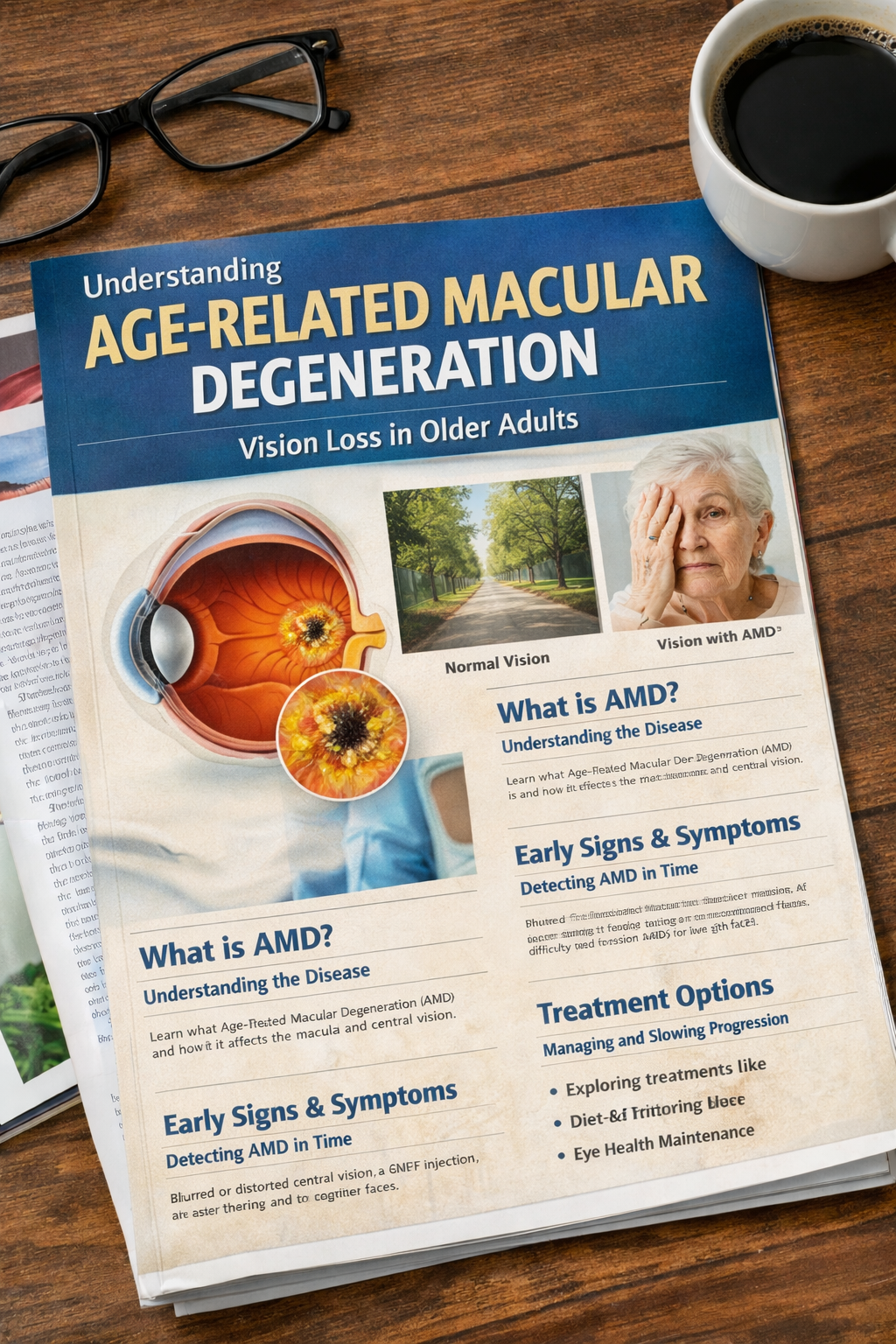
Age-related macular degeneration (AMD) is one of the leading causes of vision loss in adults over 50. While often discussed as an “eye condition,” AMD is increasingly recognized as a systemic disease influenced by vascular health, inflammation, and aging biology.
As clinicians, we know that the eyes often reflect what’s happening elsewhere in the body.
Understanding Dry vs Wet Macular Degeneration
AMD exists in two primary forms:
Dry AMD
- Gradual degeneration of retinal cells
- Accumulation of drusen (protein and lipid deposits)
- Slower progression but no definitive cure
Wet AMD
- Abnormal blood vessel growth beneath the retina
- Leakage and bleeding
- Rapid vision loss if untreated
Both forms share underlying contributors such as oxidative stress, endothelial dysfunction, and inflammation.
The Role of Vascular Health in AMD
The retina is one of the most metabolically active tissues in the body. It relies heavily on healthy microcirculation.
When blood vessel health declines, oxygen delivery to retinal tissue suffers. This parallels what we see in vein disease, cardiovascular disease, and metabolic syndrome.
👉 Internal link opportunity: Vein & Circulation Health page
Inflammation and Oxidative Stress
Chronic inflammation accelerates retinal damage by:
- Increasing oxidative stress
- Disrupting cellular repair mechanisms
- Promoting abnormal vessel growth
Many patients with AMD also have underlying inflammatory conditions such as insulin resistance or cardiovascular disease.
Conventional Treatment Approaches
From an educational standpoint, modern AMD management may involve:
- Monitoring disease progression
- Injections to limit abnormal vessel growth (wet AMD)
- Vision rehabilitation strategies
These approaches focus primarily on disease control rather than prevention.
Why Early Detection Matters
AMD often progresses silently. Early changes may not affect vision immediately, which is why regular eye exams are critical—especially for individuals with risk factors such as:
- Smoking history
- Cardiovascular disease
- Diabetes
- Family history
The Functional Medicine Perspective
Functional medicine does not replace ophthalmologic care. Instead, it broadens the conversation by asking:
- Why is degeneration occurring now?
- What systemic factors are accelerating damage?
- How does inflammation, circulation, and metabolic health contribute?
This integrative lens helps patients understand AMD as part of whole-body aging rather than an isolated diagnosis.
👉 Internal link opportunity: Functional Medicine & Preventive Care page
The Connection Between AMD and Overall Health
Research increasingly links AMD with:
- Endothelial dysfunction
- Poor metabolic health
- Neurodegenerative processes
This reinforces the importance of addressing health globally, not organ by organ.
Empowering Patients Through Education
Living with AMD can feel overwhelming. Education helps patients make informed decisions, ask better questions, and participate actively in their care.
At Sheen Vein (Aesthetics & Functional Medicine), our goal is not to replace specialists—but to support patients by addressing the broader health context in which eye disease develops.
Final Thoughts
Macular degeneration is not simply an eye condition—it reflects the health of blood vessels, inflammatory balance, and aging systems throughout the body.
A comprehensive, preventative mindset empowers patients to protect not just their vision, but their overall quality of life.