What Is Insulin Resistance? A Functional Medicine Perspective for St. Louis Patients
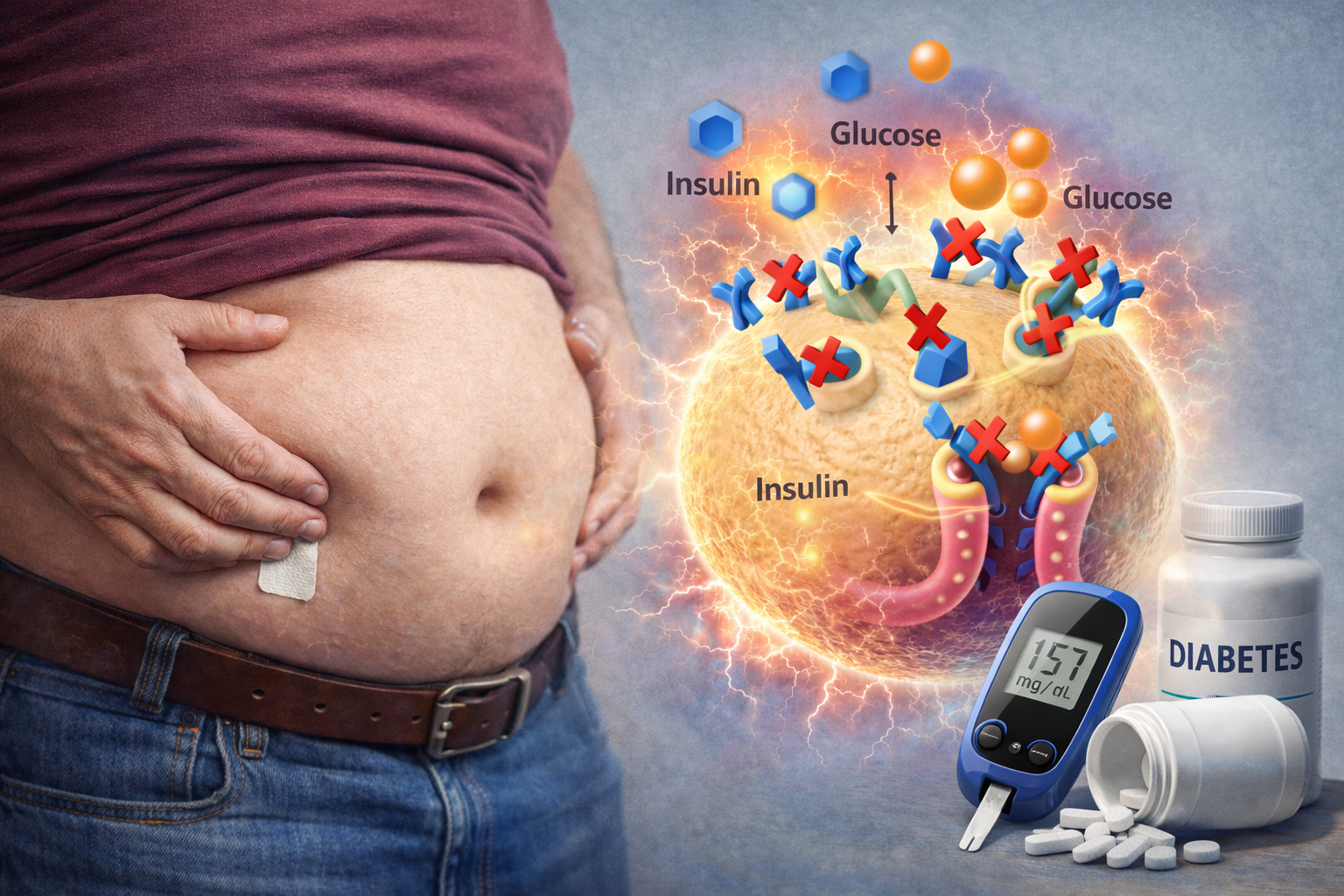
What Is Insulin Resistance? Understanding the Root of Many Chronic Health Conditions
At Sheen Vein Aesthetics and Functional Medicine, many patients who come into our clinic in St. Louis, Chesterfield, Clayton, Arnold, and Farmington, Missouri are surprised to learn that a large number of modern health problems share a common root cause: insulin resistance.
People often associate insulin only with diabetes. However, insulin resistance plays a role in weight gain, fatigue, brain fog, hormone imbalances, high triglycerides, fatty liver disease, cardiovascular disease, and even cognitive decline.
In functional medicine, we focus on identifying and correcting these deeper metabolic imbalances before they progress into chronic disease. Understanding insulin resistance is one of the most important first steps.
In this article, we will explain:
- What insulin resistance is
- Why it develops
- How it affects your metabolism and organs
- Symptoms that may indicate insulin resistance
- A functional medicine approach to reversing it
What Is Insulin?
To understand insulin resistance, we first need to understand insulin itself.
Insulin is a hormone produced by the pancreas. Its main role is to regulate blood sugar (glucose) levels in the body.
When you eat carbohydrates, your digestive system breaks them down into glucose. This glucose enters the bloodstream, and your body releases insulin to help move that glucose into your cells.
Insulin acts like a key, allowing glucose to enter cells where it can be used for energy.
This process keeps blood sugar levels within a healthy range.
However, problems arise when the body becomes less responsive to insulin.
What Is Insulin Resistance?
Insulin resistance occurs when the body’s cells stop responding properly to insulin.
Instead of allowing glucose to enter cells efficiently, the cells resist the signal from insulin.
As a result:
- Glucose remains in the bloodstream
- The pancreas produces more insulin to compensate
- Insulin levels rise higher and higher over time
This condition is known as hyperinsulinemia, and it can exist years or even decades before diabetes develops.
Research has shown that insulin resistance is strongly linked to metabolic syndrome and cardiovascular disease. You can review the scientific discussion of insulin resistance and metabolic disease in this peer-reviewed research article on PubMed:
https://pubmed.ncbi.nlm.nih.gov/30067154/
Why Insulin Resistance Matters
Insulin resistance is not just about blood sugar.
It affects nearly every major system in the body.
When insulin levels stay chronically elevated, it can lead to:
- Weight gain
- Increased triglycerides
- Fat accumulation in the liver
- Inflammation
- Hormonal imbalances
- Vascular damage
This is why many experts now consider insulin resistance to be one of the central drivers of modern chronic disease.
The Early Warning Signs of Insulin Resistance
One of the challenges with insulin resistance is that it often develops silently.
Blood sugar may appear normal for many years, even though insulin levels are already elevated.
Common early symptoms include:
Fatigue After Eating
Many people feel tired or sluggish 1–3 hours after meals. This is often due to unstable blood sugar and insulin spikes.
Difficulty Losing Weight
High insulin levels signal the body to store fat rather than burn it.
Patients frequently say:
“I’m eating less and exercising but I still can’t lose weight.”
Increased Belly Fat
Visceral fat around the abdomen is strongly linked with insulin resistance.
Sugar and Carb Cravings
Frequent cravings for sweets or carbohydrates may indicate unstable blood sugar regulation.
Brain Fog
The brain relies heavily on stable glucose levels. Fluctuations can cause difficulty concentrating.
Elevated Triglycerides
High triglycerides on bloodwork are often a metabolic marker of insulin resistance.
Skin Changes
Some individuals develop acanthosis nigricans, a darkening of skin around the neck or underarms.
Conditions Associated with Insulin Resistance
Insulin resistance is associated with numerous health conditions.
These include:
- Type 2 diabetes
- Metabolic syndrome
- Fatty liver disease
- Polycystic ovarian syndrome (PCOS)
- Hypertension
- Elevated triglycerides
- Low HDL cholesterol
- Obesity
- Cognitive decline
- Cardiovascular disease
In fact, many cardiologists now believe that insulin resistance plays a more significant role in heart disease than cholesterol alone.
Why Insulin Resistance Develops
Insulin resistance usually develops gradually due to a combination of lifestyle and metabolic factors.
Excess Refined Carbohydrates
Frequent consumption of refined carbohydrates and sugar causes repeated spikes in blood glucose and insulin.
Over time, cells become less sensitive to insulin signals.
Sedentary Lifestyle
Muscle tissue is one of the primary sites for glucose uptake. Lack of physical activity reduces insulin sensitivity.
Chronic Stress
Elevated cortisol levels increase blood sugar and contribute to insulin resistance.
Poor Sleep
Sleep deprivation disrupts metabolic hormones and reduces insulin sensitivity.
Visceral Fat
Fat tissue around the organs releases inflammatory molecules that worsen insulin resistance.
Chronic Inflammation
Low-grade systemic inflammation interferes with insulin signaling pathways.
How Insulin Resistance Impacts the Cardiovascular System
Insulin resistance has profound effects on the cardiovascular system.
Elevated insulin can lead to:
- Increased triglycerides
- Reduced HDL cholesterol
- Increased small dense LDL particles
- Endothelial dysfunction
- Increased inflammation
These metabolic changes contribute to the development of atherosclerosis and heart disease.
Many people are surprised to learn that high triglycerides are often a stronger indicator of metabolic risk than LDL cholesterol alone.
Insulin Resistance and Brain Health
Emerging research suggests that insulin resistance may also affect the brain.
Some scientists even refer to Alzheimer’s disease as “type 3 diabetes.”
Insulin plays a role in:
- Neuronal signaling
- Memory formation
- Energy metabolism in the brain
When insulin signaling is impaired, brain cells may struggle to access energy efficiently.
This may contribute to:
- Brain fog
- Memory decline
- Neurodegenerative disease risk
Functional Medicine Approach to Insulin Resistance
At Sheen Vein Aesthetics and Functional Medicine, our goal is to identify and address the root causes of metabolic dysfunction.
Rather than simply treating symptoms, we evaluate the underlying factors contributing to insulin resistance.
If you would like to learn more about our approach to metabolic health, you can visit our functional medicine services page here:
https://www.sheenveinandcosmetics.com/misc/functional-integrative-medicine
Our approach often includes:
- Advanced metabolic lab testing
- Personalized nutrition strategies
- Gut health evaluation
- Hormone balance
- targeted supplementation
- lifestyle optimization
Key Lifestyle Strategies to Improve Insulin Sensitivity
1. Strength Training
Muscle tissue significantly improves glucose uptake and insulin sensitivity.
Resistance training helps the body utilize glucose more efficiently.
2. Reduce Ultra-Processed Carbohydrates
Limiting refined sugars and processed carbohydrates helps stabilize blood sugar levels.
3. Increase Protein Intake
Protein helps reduce post-meal blood sugar spikes and supports metabolic health.
4. Prioritize Sleep
Quality sleep supports hormonal balance and insulin regulation.
5. Address Gut Health
Emerging research shows the gut microbiome plays a role in metabolic regulation.
6. Manage Stress
Chronic cortisol elevation contributes to metabolic dysfunction.
Mindfulness practices, exercise, and relaxation techniques may help regulate stress hormones.
Advanced Functional Medicine Testing
Standard blood tests often miss early insulin resistance.
In functional medicine, we may evaluate additional markers such as:
- Fasting insulin
- HOMA-IR
- Triglyceride/HDL ratio
- inflammatory markers
- liver enzymes
- metabolic hormones
These tests can help identify metabolic dysfunction years before diabetes develops.
Why Early Detection Matters
Insulin resistance can often be reversed or significantly improved with the right interventions.
The earlier it is identified, the easier it is to correct.
Addressing insulin resistance early may help reduce the risk of:
- diabetes
- cardiovascular disease
- obesity
- fatty liver disease
- neurodegenerative conditions
This is why metabolic health screening is an important part of a proactive health strategy.
Functional Medicine Care in St. Louis
At Sheen Vein Aesthetics and Functional Medicine, we work with patients across St. Louis, Clayton, Chesterfield, Arnold, and Farmington who want to take a deeper look at their health.
Many individuals seek care because they are experiencing:
- chronic fatigue
- weight gain
- metabolic issues
- brain fog
- hormonal imbalance
Our goal is to help patients understand the root causes of these symptoms and develop personalized strategies for long-term health.
Final Thoughts
Insulin resistance is one of the most important metabolic conditions affecting modern health.
It often develops silently but can contribute to a wide range of chronic diseases.
By identifying insulin resistance early and addressing its underlying causes, it is possible to improve metabolic health and reduce long-term disease risk.
Through a functional medicine approach, patients can take proactive steps toward restoring metabolic balance and optimizing overall health.
If you are interested in learning more about evaluating metabolic health and insulin resistance, visit our functional medicine page here:
https://www.sheenveinandcosmetics.com/misc/functional-integrative-medicine
At Sheen Vein Aesthetics and Functional Medicine, our goal is to help patients throughout the St. Louis region better understand their health and address the root causes of chronic disease.