Brain Fog After Eating in St. Louis: Causes, Insulin Resistance, and Functional Solutions

Brain Fog After Eating: Why It Happens and What We Do About It in St. Louis and Southern Illinois
If you live in Clayton, Chesterfield, Ladue, Kirkwood, Webster Groves, Creve Coeur, Town and Country, Ballwin, Manchester, Wildwood, Maryland Heights, Bridgeton, Florissant, Hazelwood, University City, Richmond Heights, Affton, Mehlville, Oakville, Arnold, or Farmington, or across the river in Belleville, Edwardsville, O’Fallon, Collinsville, Glen Carbon, Waterloo, Columbia, or Alton, and you’ve noticed that your brain feels cloudy after meals — you are not imagining it.
I hear this every week in clinic:
“I eat lunch and I feel like I need a nap.”
“My head gets heavy.”
“I can’t focus after dinner.”
“I feel almost inflamed in my brain.”
This isn’t laziness. It isn’t age. And it isn’t “just stress.”
It’s physiology.
At Sheen Vein & Functional Medicine, we approach brain fog after eating by asking one simple question:
What is your body reacting to?
What Does “Brain Fog” Actually Mean?
Patients describe brain fog in many ways:
- Slowed thinking
- Word-finding difficulty
- Trouble focusing
- Pressure behind the eyes
- Fatigue after meals
- Irritability
- Light sensitivity
Clinically, this often points toward one (or more) of four drivers:
- Insulin dysregulation
- Post-meal blood sugar swings
- Gut inflammation
- Histamine or food-triggered immune response
Let’s walk through each.
1. Insulin Spikes and Brain Fog

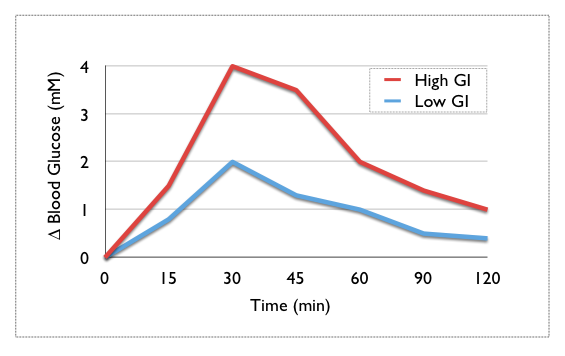

4
After you eat — especially carbohydrates — your blood sugar rises. Your pancreas releases insulin. Insulin’s job is to move glucose into your cells.
But if you live in modern America — even in healthy communities like Chesterfield or Edwardsville — chances are you’ve had years of:
- Refined carbs
- Stress
- Poor sleep
- Processed foods
- Sedentary habits
Over time, your cells can become insulin resistant.
When that happens:
- Blood sugar rises higher than it should.
- Insulin surges harder than it should.
- Blood sugar can then drop quickly.
Your brain is exquisitely sensitive to these swings.
Even if your A1C looks “normal,” you can still have:
- Postprandial hyperinsulinemia
- Reactive hypoglycemia
- Subclinical insulin resistance
This is one of the most common reasons patients across St. Louis County feel foggy after meals.
2. The Inflammatory Gut-Brain Connection
The gut is not separate from the brain.
If you have:
- Bloating
- Reflux
- Constipation
- Loose stools
- Food sensitivities
You may have:
- Dysbiosis
- Increased intestinal permeability
- Elevated lipopolysaccharides (LPS)
- Systemic inflammation
When inflammatory cytokines rise after eating, they cross the blood-brain barrier and affect neurotransmitter balance.
Patients in Ballwin and Belleville often say:
“It feels like my brain swells after I eat.”
That sensation is not imaginary. Neuroinflammation is real.
At Sheen Vein & Functional Medicine, we frequently evaluate:
- Comprehensive stool testing
- Food sensitivity patterns
- Fasting insulin
- C-peptide
- hs-CRP
- Advanced metabolic markers
You can learn more about our integrative testing approach here:
👉 https://www.sheenvein.com
3. Histamine and Mast Cell Activation
Some patients notice brain fog after:
- Aged cheeses
- Wine
- Fermented foods
- Processed meats
This suggests histamine intolerance or mast cell activation.
Histamine in the brain can cause:
- Mental clouding
- Fatigue
- Headaches
- Anxiety
This is particularly common in patients who have had:
- Chronic stress
- Gut infections
- Hormonal imbalance
And yes — I see it in high-performing professionals in Clayton just as often as in retirees in Farmington.
4. Reactive Hypoglycemia
Sometimes it’s not high blood sugar — it’s the crash afterward.
You eat.
Blood sugar rises.
Insulin overshoots.
Blood sugar drops.
You feel:
- Shaky
- Foggy
- Tired
- Irritable
This can happen even in “healthy” individuals.
We often use:
- Continuous glucose monitoring
- Fasting insulin analysis
- Post-meal glucose curves
to uncover what routine labs miss.
Why This Matters Long Term
Brain fog after eating isn’t just uncomfortable.
It’s often an early metabolic signal.
Unchecked insulin resistance increases risk of:
- Type 2 diabetes
- Cardiovascular disease
- Alzheimer’s disease
- Fatty liver
- Hormone imbalance
And we are seeing these trends across:
St. Louis County
Clayton, Chesterfield, Ladue, Frontenac, Des Peres, Kirkwood, Webster Groves, Sunset Hills, Town and Country, Wildwood, Ballwin, Manchester, Creve Coeur, Maryland Heights, Florissant, Hazelwood, Ferguson, University City, Richmond Heights, Maplewood, Brentwood, Affton, Mehlville, Oakville.
Southern Illinois
Belleville, O’Fallon, Edwardsville, Glen Carbon, Collinsville, Fairview Heights, Waterloo, Columbia, Alton, Granite City.
This is not a big-city issue.
It is a modern metabolic issue.
How We Approach Treatment
At Sheen Vein & Functional Medicine, treatment is individualized.
But the framework often includes:
1. Insulin Stabilization
- Protein-forward meals
- Lower glycemic carbohydrates
- Targeted nutraceuticals (e.g., berberine phytosome when appropriate)
- Resistance training
- Sleep correction
2. Gut Repair
- Remove inflammatory triggers
- Target dysbiosis
- Restore microbiome diversity
- Support mucosal integrity
3. Mitochondrial Support
Brain fog is often a mitochondrial problem.
We may evaluate:
- CoQ10
- Magnesium
- B vitamins
- Omega-3 status
4. Hormone Optimization
Low testosterone, low estrogen, or thyroid imbalance can worsen post-meal fatigue.
We frequently evaluate this in both men and women across St. Louis and Southern Illinois.
When to Seek Evaluation
You should consider an evaluation if:
- Brain fog happens daily
- You feel sleepy after most meals
- You crave sugar after eating
- You wake up at 3am
- You have weight gain despite eating “healthy”
If you’re in St. Louis County or Southern Illinois, we offer in-person and telemedicine consultations.
Learn more here:
👉 https://www.sheenvein.com
Final Thoughts
Brain fog after eating is not a character flaw.
It’s not aging.
And it’s not something you should “push through.”
It’s your body telling you something important.
If you’re in Clayton, Chesterfield, Kirkwood, Ballwin, Florissant, Arnold, Farmington, Belleville, Edwardsville, or surrounding communities — we can help you identify the root cause and restore clarity.
Because when your brain feels clear,
everything else in life improves.