Brain Fog in St. Louis: Why It Happens and How Functional Medicine at Sheen Vein Can Help You Feel Clear Again
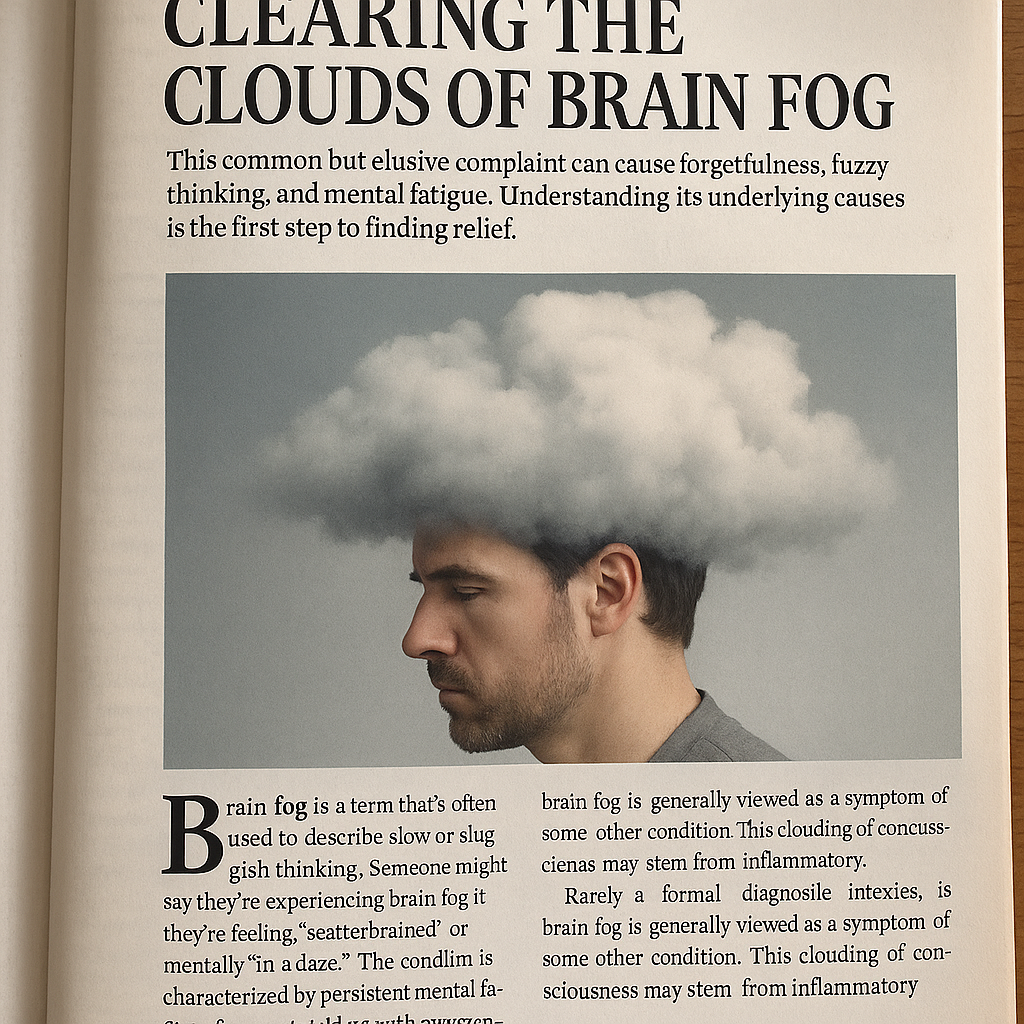
Introduction: When “I Just Don’t Feel Sharp” Becomes a Daily Struggle
As clinicians, we hear this complaint every single week in our St. Louis clinic:
“I just don’t feel like myself. It’s like my brain isn’t working as fast as it used to.”
Brain fog isn’t a diagnosis—it’s a symptom. And when someone describes mental cloudiness, slower recall, word-finding difficulty, or feeling disconnected, something deeper is happening physiologically.
At Sheen Vein Aesthetics & Functional Medicine, our job is to figure out why. We approach brain fog like we approach fatigue, hormone imbalance, gut dysfunction, or autoimmune symptoms: by identifying the root cause, not masking the symptom.
This guide breaks down the most common drivers of brain fog and how our integrative approach helps patients regain clarity, focus, and cognitive stamina.
What Exactly Is Brain Fog?
Brain fog describes a combination of cognitive symptoms:
- Slower mental processing
- Trouble concentrating
- Memory lapses
- Difficulty multitasking
- Fatigue that worsens cognitive function
- Feeling “disconnected” or “in a haze”
While these symptoms are common, they are never normal.
The 9 Most Common Root Causes of Brain Fog—Especially in Adults Over 30
1. Inflammation
Inflammation—especially in the gut, immune system, or vascular endothelium—directly impacts cognitive clarity. When inflammatory cytokines increase, brain signaling becomes sluggish.
We often identify this through markers like:
- hs-CRP
- EDN
- Secretory IgA (on GI-MAP)
- Zonulin
- Autoimmune antibodies
2. Hormonal Imbalances (Particularly in Perimenopause, Menopause, and Andropause)
Declining estrogen, progesterone, and testosterone profoundly influence memory, focus, and processing speed.
At Sheen Vein, we evaluate:
- Estradiol
- Progesterone
- Testosterone (total + free)
- DHEA-S
- SHBG
- Cortisol rhythm
For many women, simply restoring hormonal balance with the right approach dramatically improves cognitive health.
Internal link prompt:
Learn more about our bioidentical hormone optimization services here.
3. Gut Dysfunction and Microbiome Imbalance
Your gut microbiome influences neurotransmitters, inflammation, and immune signaling. When gut bacteria are imbalanced—or you have yeast, SIBO, dysbiosis, food sensitivities, or leaky gut—brain fog is almost inevitable.
This is why we perform advanced stool testing such as GI-MAP and look for:
- Low commensal bacteria
- Bacterial overgrowth (ex: Citrobacter, Klebsiella)
- High secretory IgA
- Elevated EDN
- Maldigestion
- Dysbiosis patterns
4. Chronic Stress & Cortisol Dysregulation
Stress hormones like cortisol affect sleep, thyroid function, inflammatory pathways, and blood flow—all of which influence cognition.
A functional cortisol rhythm test tells us whether you’re dealing with:
- Cortisol burnout
- High nighttime cortisol
- Adrenal dysregulation
5. Sleep Disorders
In our practice, undiagnosed sleep apnea is one of the top 3 causes of brain fog—especially in men over 40 and women post-menopause.
When appropriate, we discuss sleep studies, airway assessment, and oxygen levels.
6. Nutrient Deficiencies
Common deficiencies include:
- B12
- Folate
- Omega-3 fatty acids
- Magnesium
- Vitamin D
- Iron
- CoQ10
- Zinc
Each deficiency impacts neuronal signaling.
7. Blood Flow Problems and Microvascular Changes
As a vein and vascular-focused practice, we see firsthand how circulation affects cognition.
Conditions like:
- Endothelial dysfunction
- Microvascular inflammation
- Low nitric oxide levels
…all reduce oxygen and nutrient delivery to the brain.
We often support this with:
- L-citrulline
- Pycnogenol
- Omega-3s
- Nitric-oxide–boosting protocols
- Red light therapy (610 nm + 850 nm)
Internal link prompt:
Learn more about our red light bed with PEMF therapy here.
8. Chronic Infections
Examples:
- Epstein–Barr virus (reactivation)
- Mold exposure
- Lyme/co-infections
- Candida overgrowth
9. Medications
Many medications cause cognitive fog—including antihistamines, sleep aids, antidepressants, anti-anxiety medications, and statins.
How Sheen Vein Aesthetics & Functional Medicine Treats Brain Fog
Our approach is deeply personalized:
Step 1 — Comprehensive Root-Cause Testing
We often run:
- Full hormone panel
- GI-MAP advanced stool test
- Micronutrient analysis
- Thyroid panel with antibodies
- Sleep study referral (when appropriate)
- Inflammation markers
- Advanced metabolic testing
Step 2 — Restoring Balance
Examples of individualized therapies:
- Gut healing protocol (probiotics, butyrate, inulin, antimicrobial support if needed)
- Hormone optimization
- Mitochondrial support
- Nitric oxide and vascular support
- Nervous system and stress recovery
- Red light + PEMF therapy
- Detoxification pathways support
Step 3 — Ongoing Clinical Partnership
Patients often tell us:
“No one has ever explained my symptoms like this.”
That is what functional medicine is for—finding out why you feel the way you feel and helping you finally improve.
If You’re Struggling With Brain Fog in St. Louis, We Can Help
Brain fog is not normal and it is not permanent.
Our job is to identify the imbalance, correct it, and support your brain back to clarity.
Internal link prompt:
Schedule your functional medicine evaluation at Sheen Vein Aesthetics & Functional Medicine here.