H. pylori Infection and Your Health: How This Hidden Stomach Bacteria Can Affect the Entire Body
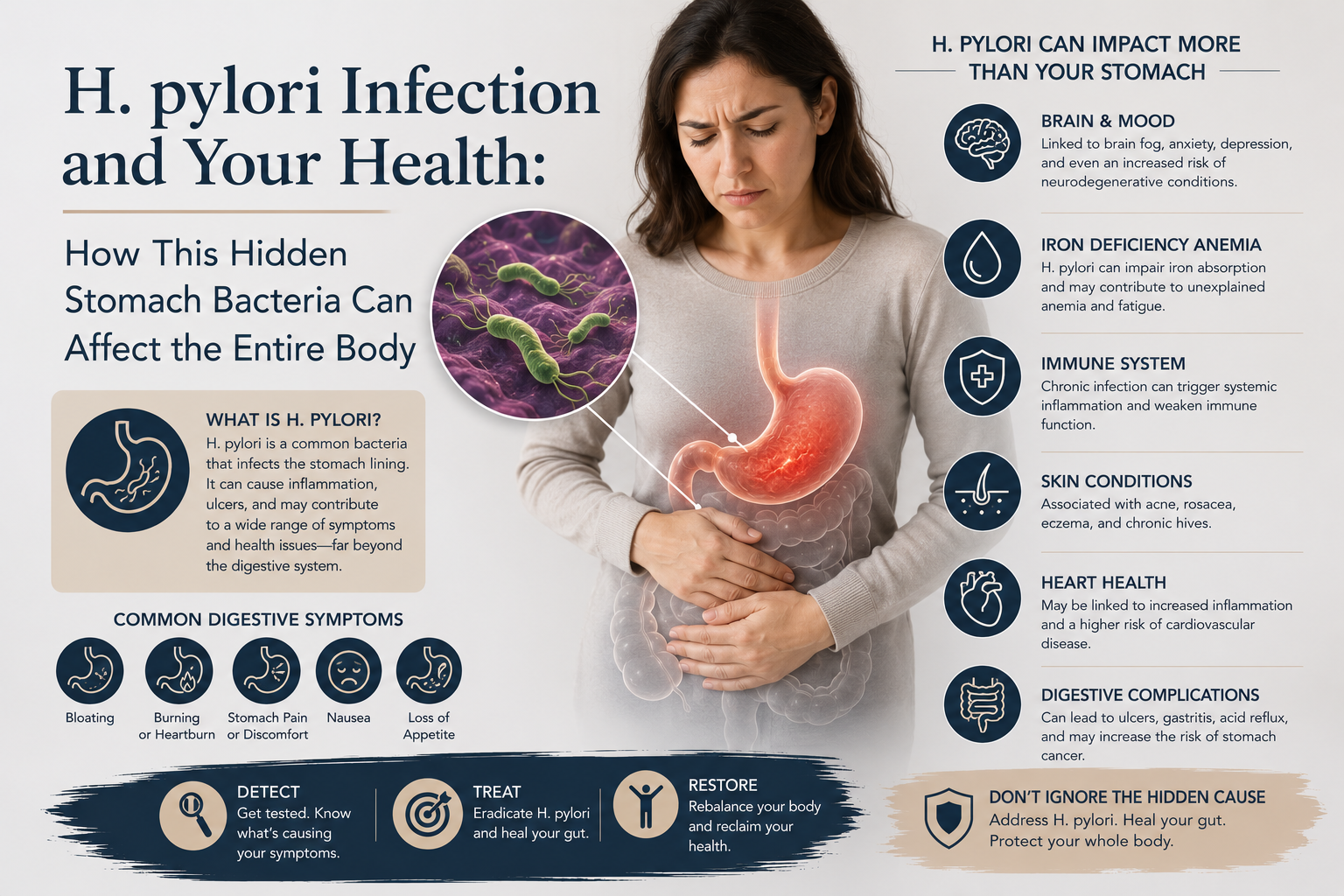
If you struggle with bloating, reflux, nausea, stomach discomfort, unexplained fatigue, nutrient deficiencies, or persistent digestive issues, a hidden bacterial infection may be contributing to your symptoms. At Sheen Vein, Aesthetics & Functional Medicine, serving the greater St. Louis area, we often evaluate underlying gut contributors that may be missed in routine evaluations—including Helicobacter pylori (H. pylori).
H. pylori is a spiral-shaped bacterium that colonizes the stomach lining. While some individuals carry it with minimal symptoms, others develop significant digestive and systemic health issues. According to Mayo Clinic’s overview of H. pylori infection, this infection is one of the most common causes of peptic ulcers and chronic stomach inflammation.
But H. pylori’s effects may extend well beyond the stomach.
1. Reflux, Indigestion, and Upper Abdominal Discomfort
One of the most common ways H. pylori presents is through upper digestive symptoms. The infection can irritate the stomach lining, disrupt acid regulation, and impair normal digestion.
Patients may experience:
- Burning stomach pain
- Acid reflux
- Indigestion
- Early fullness
- Nausea
- Burping
- Upper abdominal bloating
- Symptoms that worsen when the stomach is empty
Because these symptoms overlap with reflux, gastritis, or functional dyspepsia, many people are treated symptomatically for years without identifying the root cause.
2. Nutrient Deficiencies and Chronic Fatigue
Healthy stomach acid is essential for absorbing nutrients such as iron, vitamin B12, magnesium, calcium, and protein. H. pylori can alter stomach acid production and create chronic inflammation that interferes with nutrient absorption.
This may contribute to:
- Iron deficiency
- Low B12
- Fatigue
- Weakness
- Brain fog
- Poor exercise tolerance
- Hair thinning
According to NIH’s National Institute of Diabetes and Digestive and Kidney Diseases on H. pylori, H. pylori is strongly associated with gastritis and ulcer disease that can impair digestive function.
3. Bloating and Poor Digestion
When stomach acid production becomes disrupted, digestion can slow and food breakdown becomes less efficient. This can lead to fermentation, gas production, and bloating after meals.
Patients often describe:
- Feeling overly full after small meals
- Bloating after protein-rich foods
- Excess belching
- Food sitting heavily in the stomach
- Digestive discomfort after eating
These symptoms can sometimes overlap with SIBO, dysbiosis, or low stomach acid patterns.
4. Brain Fog and Mood Changes
The gut and brain communicate closely through inflammatory pathways, nutrient status, and the gut-brain axis. Chronic digestive inflammation or nutrient depletion related to H. pylori may contribute to neurologic symptoms.
Some patients report:
- Brain fog
- Difficulty concentrating
- Low energy
- Irritability
- Mood fluctuations
- Poor stress tolerance
While H. pylori is not always the sole cause, unresolved gut inflammation can contribute to systemic symptoms.
5. Immune Activation and Inflammation
Persistent H. pylori infection creates chronic immune stimulation in the stomach lining. Over time, this ongoing inflammatory burden may affect overall health.
Potential consequences may include:
- Chronic gastritis
- Ulcer formation
- Immune stress
- Heightened inflammatory signaling
- Worsening digestive sensitivity
According to Cleveland Clinic’s explanation of H. pylori, untreated infections can increase the risk of more serious gastric complications.
6. Ulcers and More Serious Long-Term Risks
H. pylori is a major cause of peptic ulcer disease. If left untreated, complications may include:
- Gastric ulcers
- Duodenal ulcers
- Bleeding
- Persistent abdominal pain
- Black stools
- Severe nausea
- Rarely, increased gastric cancer risk
This is why persistent upper GI symptoms deserve proper evaluation rather than indefinite symptom suppression.
Common Risk Factors for H. pylori Infection
At our St. Louis functional medicine clinic, we consider H. pylori in patients with chronic digestive complaints, especially when symptoms have not improved with standard approaches.
Potential risk factors include:
- Close household exposure
- Contaminated food or water
- History of chronic reflux symptoms
- Long-term digestive complaints
- Chronic NSAID use
- Persistent gastritis symptoms
Functional Medicine Perspective: Looking for Root Causes
Traditional care often focuses on acid suppression, but functional medicine asks why symptoms developed.
Depending on the presentation, evaluation may include:
- H. pylori stool antigen testing
- Breath testing
- Comprehensive stool analysis
- Nutrient deficiency assessment
- Inflammatory markers
- Digestive function evaluation
Learn more about our functional medicine services at Sheen Vein, Aesthetics & Functional Medicine.
Digestive symptoms are not always “just reflux” or “just stress.” In some cases, identifying and appropriately addressing H. pylori may be a critical step toward restoring better health.