How Hormone Imbalance Impacts Your Entire Body—Not Just One Symptom Clinical insights from Sheen Vein (Aesthetics & Functional Medicine) | St louis, Missouri
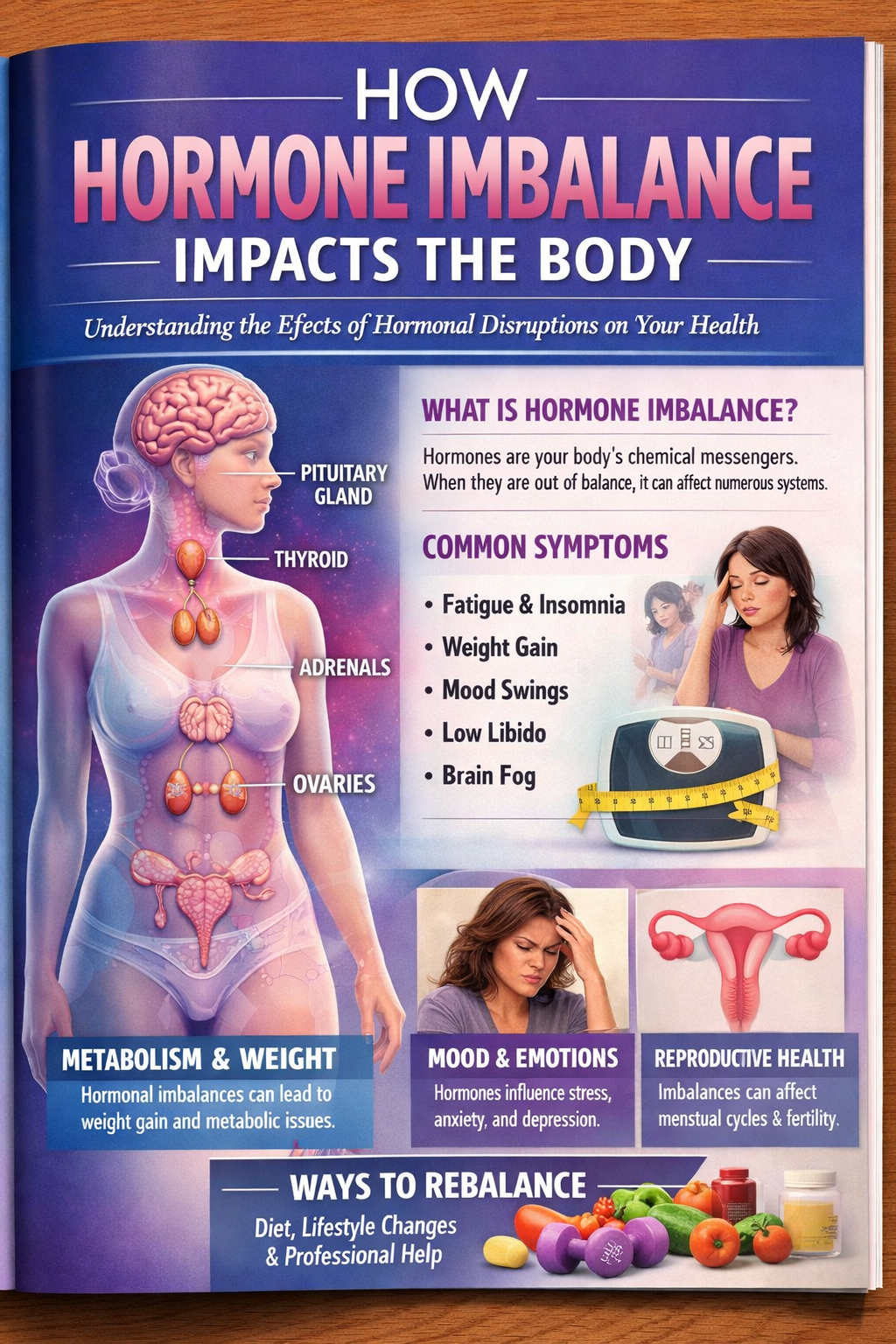
Hormones Are Master Regulators of Health
Hormones do not work in isolation. They function as an interconnected network that influences nearly every system in the body.
When one hormone falls out of balance, others often follow—leading to symptoms that seem unrelated on the surface.
Common complaints include:
- Fatigue
- Weight gain
- Brain fog
- Low libido
- Sleep disruption
From a clinical standpoint, these are rarely separate issues.
Why Hormone Imbalance Is So Common Today
Modern life places extraordinary stress on hormonal systems. Chronic stress, poor sleep, environmental exposures, metabolic dysfunction, and inflammation all disrupt hormonal signaling.
This explains why hormone imbalance now affects:
- Men and women
- Younger adults
- Even individuals with “normal” lab values
👉 Internal link opportunity: Functional Medicine & Preventive Care page
Cortisol: The Stress Hormone
Cortisol is essential for survival, but chronic elevation disrupts:
- Blood sugar regulation
- Thyroid hormone conversion
- Sex hormone production
- Sleep cycles
Many patients with hormone imbalance live in a constant “fight-or-flight” state, unaware of its systemic impact.
Sex Hormones and Whole-Body Function
Estrogen and testosterone influence:
- Muscle mass
- Bone density
- Cognitive function
- Vascular health
- Joint integrity
Imbalances contribute to:
- Sarcopenia
- Osteopenia
- Mood changes
- Cardiovascular risk
👉 Internal link opportunity: Hormone Health Services page
Thyroid Hormones: The Metabolic Engine
Thyroid hormones regulate cellular energy production. When signaling is impaired, patients may experience:
- Cold intolerance
- Weight gain
- Hair thinning
- Depression
- Constipation
Importantly, thyroid dysfunction often overlaps with inflammation and insulin resistance.
Hormones and Cardiovascular Health
Hormonal imbalance negatively impacts endothelial function, increasing the risk of:
- High blood pressure
- Vein disease
- Poor circulation
This connection is especially relevant in patients experiencing both hormone symptoms and vascular concerns.
👉 Internal link opportunity: Vein Disease & Circulation page
Hormones, Inflammation, and Aging
Hormonal decline accelerates inflammatory processes and reduces tissue repair. This contributes to:
- Joint degeneration
- Cognitive decline
- Loss of resilience
From a functional medicine standpoint, aging is not merely time—it is biology.
Why “Normal” Labs Can Be Misleading
Standard reference ranges are broad and do not account for individual physiology. Many patients are told their hormones are “normal” despite persistent symptoms.
Functional medicine evaluates hormones within the context of:
- Symptoms
- Metabolic health
- Inflammatory burden
- Lifestyle stressors
An Integrated Approach to Hormone Health
True hormone balance requires understanding how stress, sleep, nutrition, inflammation, and vascular health interact.
This systems-based view helps patients move beyond symptom-chasing toward meaningful improvement.
Final Thoughts
Hormone imbalance is not a single diagnosis—it is a reflection of whole-body dysregulation.
At Sheen Vein (Aesthetics & Functional Medicine), we believe education empowers patients to understand their bodies, ask better questions, and pursue care that aligns with long-term health.