High Cortisol and Your Health: How Chronic Stress Can Quietly Impact the Entire Body
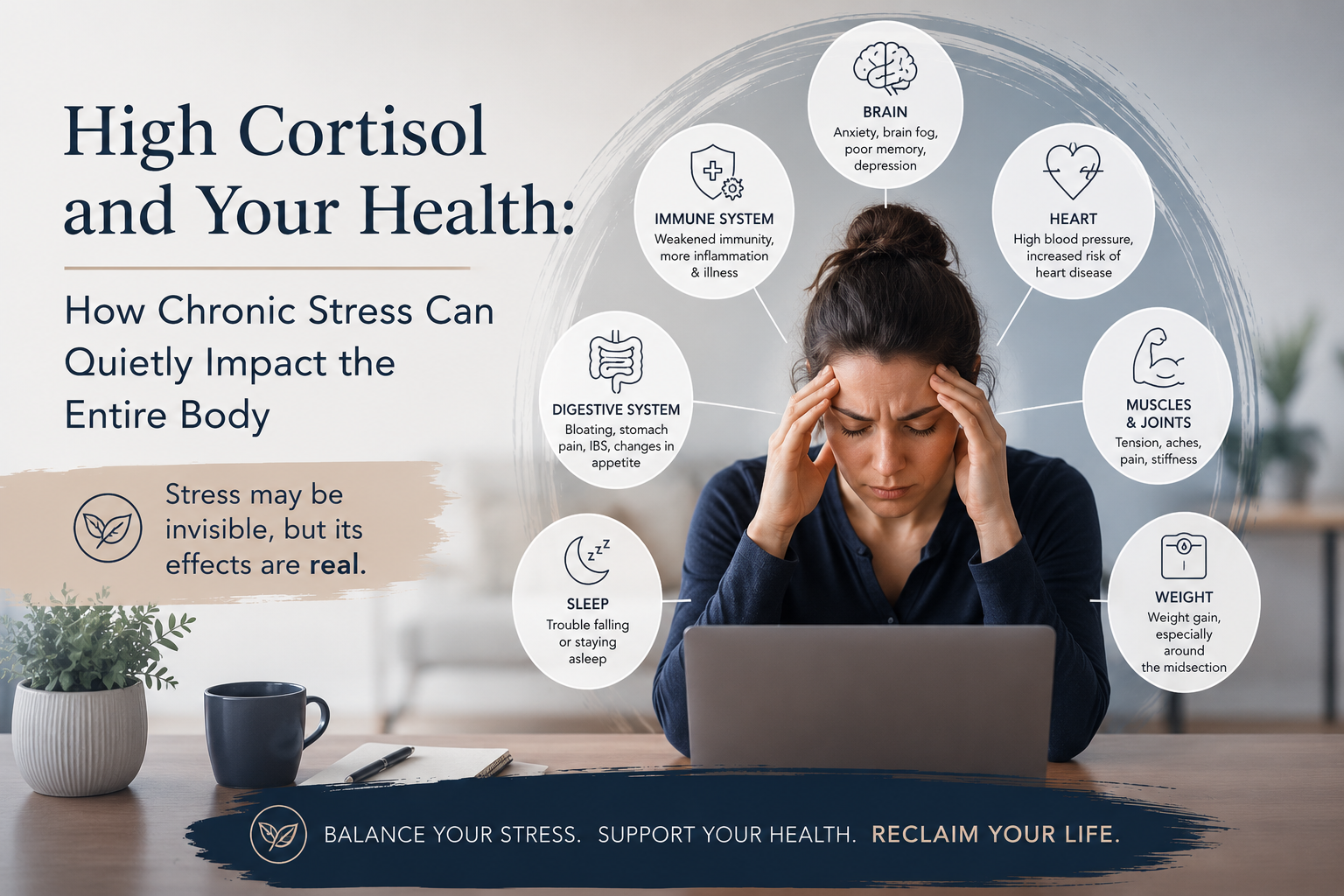
If you constantly feel tired but wired, struggle with stubborn weight gain, experience poor sleep, brain fog, anxiety, or unexplained blood sugar issues, cortisol may be part of the picture. At Sheen Vein, Aesthetics & Functional Medicine in the St. Louis area, we often help patients uncover hidden physiologic stress patterns that traditional evaluations may overlook.
Cortisol is often called the “stress hormone,” but that label doesn’t tell the full story. Cortisol is essential for life. Produced by the adrenal glands, it helps regulate metabolism, blood pressure, immune function, inflammation, and your sleep-wake cycle. Problems arise when cortisol remains elevated for prolonged periods.
According to Cleveland Clinic’s overview of cortisol, persistently elevated cortisol can significantly disrupt multiple body systems.
1. Weight Gain and Insulin Resistance
One of the most common effects of chronically elevated cortisol is increased abdominal fat accumulation. Cortisol promotes glucose release into the bloodstream so your body has quick access to energy during stress. When this happens repeatedly, insulin levels rise, and over time this can contribute to insulin resistance.
High cortisol can also increase cravings for sugar and processed carbohydrates, making metabolic dysfunction worse. Research from Harvard Health on stress and weight gain explains how stress hormones influence appetite regulation and fat storage.
2. Sleep Disruption and Fatigue
Cortisol should follow a daily rhythm—higher in the morning to help you wake up, then gradually decreasing throughout the day. Chronic stress can flatten or distort this rhythm.
The result? Difficulty falling asleep, waking between 2–4 AM, non-restorative sleep, and daytime exhaustion. Ironically, many people with high cortisol feel exhausted yet unable to relax.
The National Institute of Mental Health resource on stress discusses how chronic stress impacts both physical and mental wellbeing, including sleep quality.
3. Brain Fog, Anxiety, and Mood Changes
Excess cortisol can directly affect the brain, especially areas involved in memory, emotional regulation, and focus. Patients often describe:
- Brain fog
- Difficulty concentrating
- Increased anxiety
- Irritability
- Feeling “on edge”
- Poor memory recall
Chronic stress exposure may even impact the hippocampus, an important memory center. Yale Medicine’s discussion on stress and health highlights the far-reaching neurologic consequences of prolonged stress activation.
4. Suppressed Immune Function and Increased Inflammation
Although cortisol has anti-inflammatory effects in the short term, chronic elevation can dysregulate immune signaling. Over time, this may contribute to immune dysfunction, recurrent illness, slower healing, and inflammatory imbalance.
This is one reason chronic stress has been linked to worsening autoimmune symptoms, gut dysfunction, and persistent fatigue.
5. Hormone Imbalances
High cortisol can interfere with other hormone systems, including:
- Testosterone production
- Progesterone balance
- Thyroid conversion
- Estrogen metabolism
- DHEA production
This may show up as low libido, fatigue, hair thinning, mood instability, irregular cycles, or reduced exercise recovery.
6. Cardiovascular Effects
Persistently elevated cortisol may increase blood pressure, worsen blood sugar regulation, and contribute to cardiovascular strain. According to Johns Hopkins Medicine on stress and heart disease, chronic stress is strongly associated with long-term cardiovascular health concerns.
Functional Medicine Perspective: Why Is Cortisol High?
At our St. Louis functional medicine clinic, we look beyond “stress” as a vague explanation. Elevated cortisol may be driven by:
- Chronic psychological stress
- Sleep apnea
- Blood sugar instability
- Chronic inflammation
- Hidden infections
- Overtraining
- Excess caffeine
- Trauma history
- Poor sleep hygiene
- Hormonal imbalance
When to Consider Evaluation
If you experience fatigue, anxiety, unexplained weight gain, brain fog, poor sleep, or hormone-related symptoms, cortisol dysregulation may be worth exploring.
A root-cause evaluation may include hormone assessment, metabolic markers, inflammatory labs, thyroid testing, and sleep screening.
Learn more about our functional medicine services at Sheen Vein, Aesthetics & Functional Medicine.
Your body’s stress response is designed to protect you—not keep you stuck in survival mode.