Life After Appendectomy in St. Louis: Digestive Changes, Gut Health, and Long-Term Functional Recovery
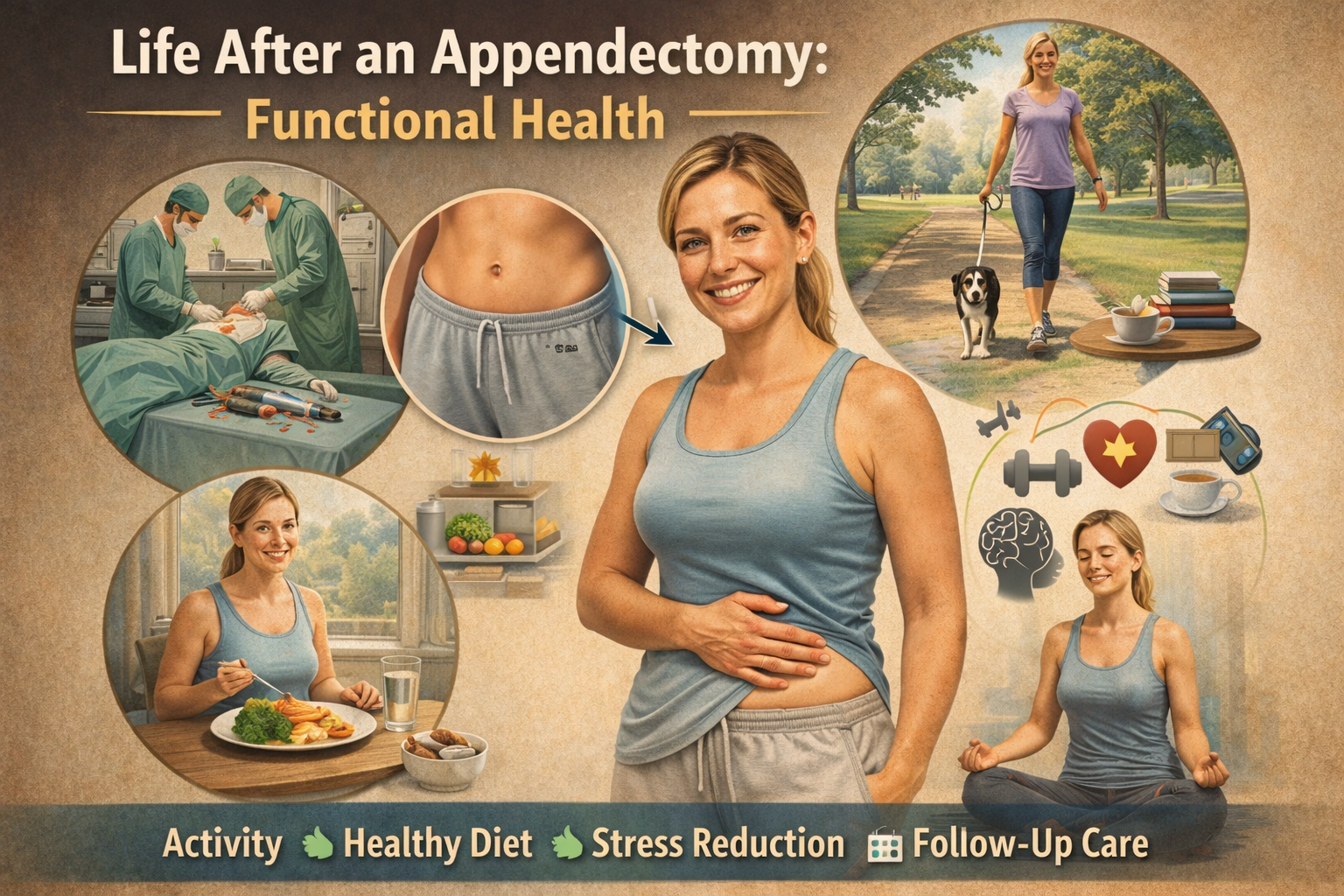
Life After Appendectomy: What Most People Aren’t Told
If you live in Clayton, Chesterfield, Ladue, Kirkwood, Webster Groves, Creve Coeur, Ballwin, Wildwood, Maryland Heights, Florissant, Hazelwood, University City, Richmond Heights, Affton, Mehlville, Oakville, Arnold, or Farmington, or across the river in Belleville, Edwardsville, O’Fallon, Collinsville, Glen Carbon, Waterloo, Columbia, Alton, or Granite City, and you’ve had your appendix removed — you were probably told:
“You don’t need it.”
“It’s vestigial.”
“You’ll be fine.”
And for many people, that’s largely true.
But in functional medicine, we look deeper.
Because the appendix is not useless.
And for some patients, especially those struggling with ongoing digestive symptoms, immune issues, or unexplained inflammation, understanding life after appendectomy matters.
At Sheen Vein (Aesthetics & Functional Medicine), we frequently see patients years after appendectomy who are asking:
- Why did my gut change after surgery?
- Why am I more sensitive to foods?
- Why do I struggle with bloating now?
- Why did my IBS begin after appendicitis?
Let’s talk about what’s really happening physiologically.
What Does the Appendix Actually Do?


The appendix contains:
- Lymphoid tissue (immune cells)
- Biofilm-protected bacterial reservoirs
- Mucosal immune signaling cells
Modern research suggests it serves as:
- A safe house for beneficial gut bacteria
- A component of mucosal immunity
- A microbial “reset” reservoir after diarrheal illness
In other words — it’s part of the gut-immune axis.
It’s not essential for survival.
But it is part of the ecosystem.
What Changes After Appendectomy?
Most patients recover normally.
But some experience long-term shifts in:
1. Gut Microbiome Diversity
Without the appendix acting as a bacterial reservoir:
- Repopulation after antibiotics may be slower
- Dysbiosis may persist longer
- Small intestinal bacterial overgrowth (SIBO) risk may increase
We frequently evaluate microbiome patterns in patients across St. Louis County and Southern Illinois who have a history of appendectomy and chronic bloating.
2. Immune Regulation
The appendix contains gut-associated lymphoid tissue (GALT).
When removed, some patients may experience:
- Altered mucosal immunity
- Increased food sensitivity
- Subtle inflammatory patterns
This does not mean appendectomy causes autoimmune disease.
But in predisposed individuals, it may be one contributing factor.
3. Post-Surgical Adhesions
Adhesions are common after abdominal surgery.
They can cause:
- Pulling sensations
- Intermittent abdominal discomfort
- Altered motility
- Constipation patterns
This is particularly important in active patients in Chesterfield or Edwardsville who notice gut changes years later.
Why Some People Develop IBS After Appendectomy
Research shows an association between:
- Appendectomy
- Increased IBS diagnosis later
This may relate to:
- Post-infectious microbiome shifts
- Antibiotic exposure during appendicitis
- Immune signaling changes
At Sheen Vein, when someone presents with IBS-like symptoms and has a history of appendectomy, we consider:
- Comprehensive stool testing
- Motility patterns
- Gut permeability markers
- Inflammatory cytokines
We don’t assume.
We investigate.
Learn more about our functional testing approach here:
👉 https://www.sheenvein.com
Hormonal and Metabolic Connections
This surprises people.
But chronic gut inflammation after surgery can influence:
- Insulin sensitivity
- Estrogen metabolism
- Testosterone conversion
- Thyroid hormone activation
Because:
70% of the immune system lives in the gut.
If you’re in Clayton, Kirkwood, Ballwin, or Belleville and struggling with:
- Brain fog
- Weight gain
- Food intolerance
- Fatigue
And you’ve had your appendix removed — we consider that part of the picture.
Life After Appendectomy: What You Can Do
Here’s what I tell patients in St. Louis and Southern Illinois:
1. Prioritize Microbiome Health
- Diverse fiber intake
- Polyphenol-rich foods
- Avoid unnecessary antibiotics
- Evaluate for dysbiosis if symptomatic
2. Support Gut Barrier Integrity
- Address inflammation
- Evaluate food triggers
- Optimize sleep and stress
3. Improve Motility
Post-surgical motility changes are common.
We may evaluate:
- Gastric emptying symptoms
- Constipation patterns
- Vagal tone
- Autonomic function
Especially in patients reporting reflux, bloating, or early satiety.
When Should You Seek Evaluation?
Consider a functional evaluation if you experience:
- Chronic bloating
- IBS symptoms
- New food sensitivities
- Unexplained fatigue
- Brain fog after meals
- Recurrent SIBO
- Autoimmune flare patterns
Especially if symptoms began after appendectomy.
A Reassuring Perspective
I want to be very clear.
Most people do perfectly fine without their appendix.
But if you are one of the patients who feels “different” afterward — that experience deserves investigation, not dismissal.
In St. Louis County and Southern Illinois, we see patients from:
Clayton, Chesterfield, Ladue, Frontenac, Des Peres, Kirkwood, Webster Groves, Sunset Hills, Town and Country, Ballwin, Manchester, Creve Coeur, Maryland Heights, Florissant, Hazelwood, University City, Richmond Heights, Maplewood, Brentwood, Affton, Mehlville, Oakville, Arnold, Farmington
and
Belleville, O’Fallon, Edwardsville, Glen Carbon, Collinsville, Fairview Heights, Waterloo, Columbia, Alton, Granite City
who are looking for answers beyond “everything is normal.”
And often, there is something we can improve.
Final Thoughts
Appendectomy saves lives.
But healing doesn’t end when the stitches dissolve.
Your microbiome matters.
Your immune system matters.
Your gut-brain connection matters.
If you’ve had your appendix removed and you’re experiencing persistent digestive or inflammatory symptoms, we can help you assess what’s going on underneath the surface.
Schedule a consultation here:
👉 https://www.sheenvein.com
Because optimal health is not just about surviving surgery —
it’s about restoring full function afterward.