Mitochondrial Dysfunction: How Energy Failure Affects the Entire Body

Mitochondria are often called the “power plants” of the cell, but clinically, we see them as command centers for health, repair, and resilience.
When mitochondria fail, the body struggles—no matter how normal labs may look.
What Is Mitochondrial Dysfunction?
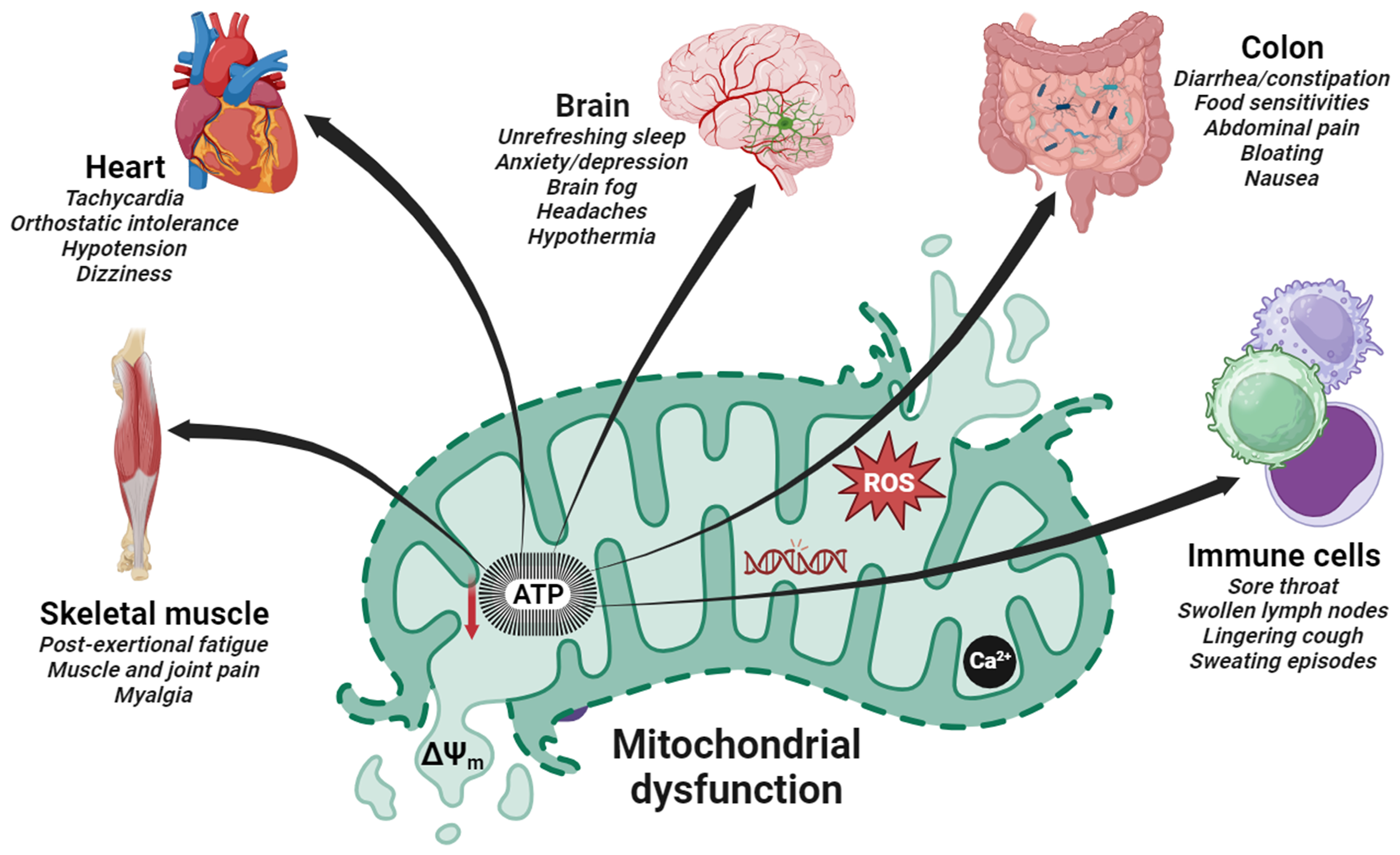
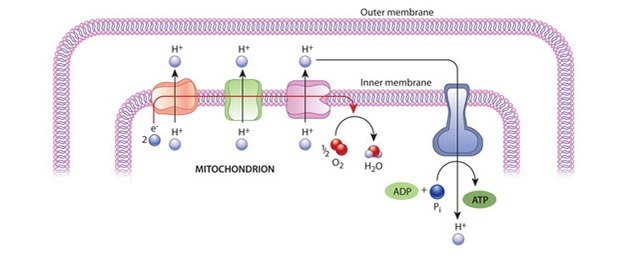
Mitochondrial dysfunction occurs when cells cannot efficiently produce ATP (energy). This leads to widespread effects because every organ relies on energy.
Symptoms Linked to Mitochondrial Dysfunction
- Chronic fatigue
- Exercise intolerance
- Brain fog
- Muscle weakness
- Poor recovery
- Accelerated aging
Why Mitochondria Are So Vulnerable
Mitochondria are sensitive to:
- Chronic inflammation
- Insulin resistance
- Toxins
- Nutrient deficiencies
- Oxidative stress
This creates a vicious cycle where low energy worsens inflammation and vice versa.
Impact on Circulation and Veins
Vascular cells require enormous energy. When mitochondria fail, blood vessel tone and repair suffer—contributing to vein symptoms and impaired circulation.
👉 Internal link: Learn more about Vein Health and Cellular Energy.
Functional Medicine and Mitochondrial Support
At Sheen Vein Aesthetics & Functional Medicine in St. Louis, we assess mitochondrial health as a cornerstone of chronic disease prevention.