Rheumatoid Arthritis and the Gut Microbiome: A Functional Medicine Perspective in St. Louis

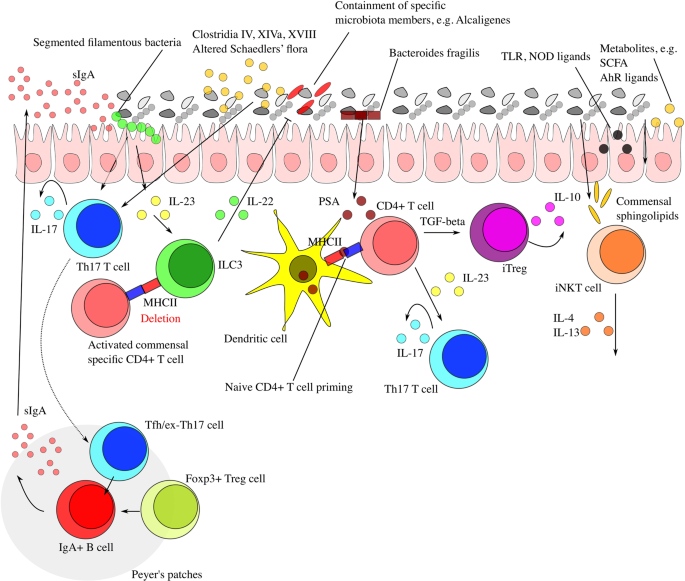

Rheumatoid arthritis (RA) is commonly described as a joint disease, but clinically, we understand it as a systemic autoimmune condition driven by inflammation. One of the most important—and often overlooked—contributors to this inflammation is the gut microbiome.
At Sheen Vein Aesthetics & Functional Medicine in St. Louis, many patients with autoimmune joint pain also report digestive symptoms. This overlap is not accidental.
The Gut–Immune Relationship
Over 70% of the immune system is housed within the gastrointestinal tract. When the gut microbiome becomes imbalanced, immune signaling can shift toward chronic activation. This may promote:
- Persistent systemic inflammation
- Increased immune reactivity
- Worsening joint pain and stiffness
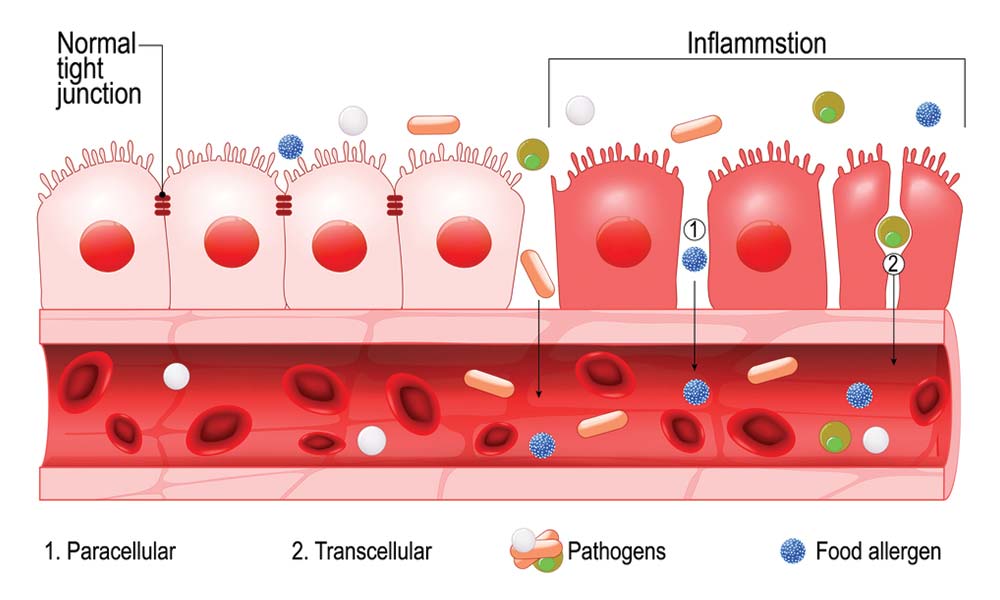
Disruption of the gut barrier allows inflammatory compounds to circulate, affecting tissues far beyond the digestive system.
Why Gut Health Matters in Rheumatoid Arthritis
Inflammation originating in the gut can amplify joint symptoms by:
- Increasing cytokine signaling
- Lowering immune tolerance
- Sustaining flare cycles
Patients often notice changes in RA symptoms with dietary shifts, stress, illness, or antibiotic exposure—further highlighting the gut’s role.
A Functional Medicine Lens
Functional medicine focuses on why inflammation exists, not just how to suppress it. Supporting digestive integrity, microbial balance, and nutrient absorption may help reduce inflammatory burden over time.
👉 Internal link: Explore our Functional Medicine Services in St. Louis.
Inflammation Connects the Entire Body
Chronic inflammation doesn’t stop at the joints—it also impacts vascular health, circulation, and endothelial function, which is why autoimmune patients may also experience leg swelling or vein issues.
👉 Internal link: Read our blog on Chronic Inflammation and Vascular Health.