Why You Feel Sleepy After Eating in St. Louis: The Insulin Connection Explained
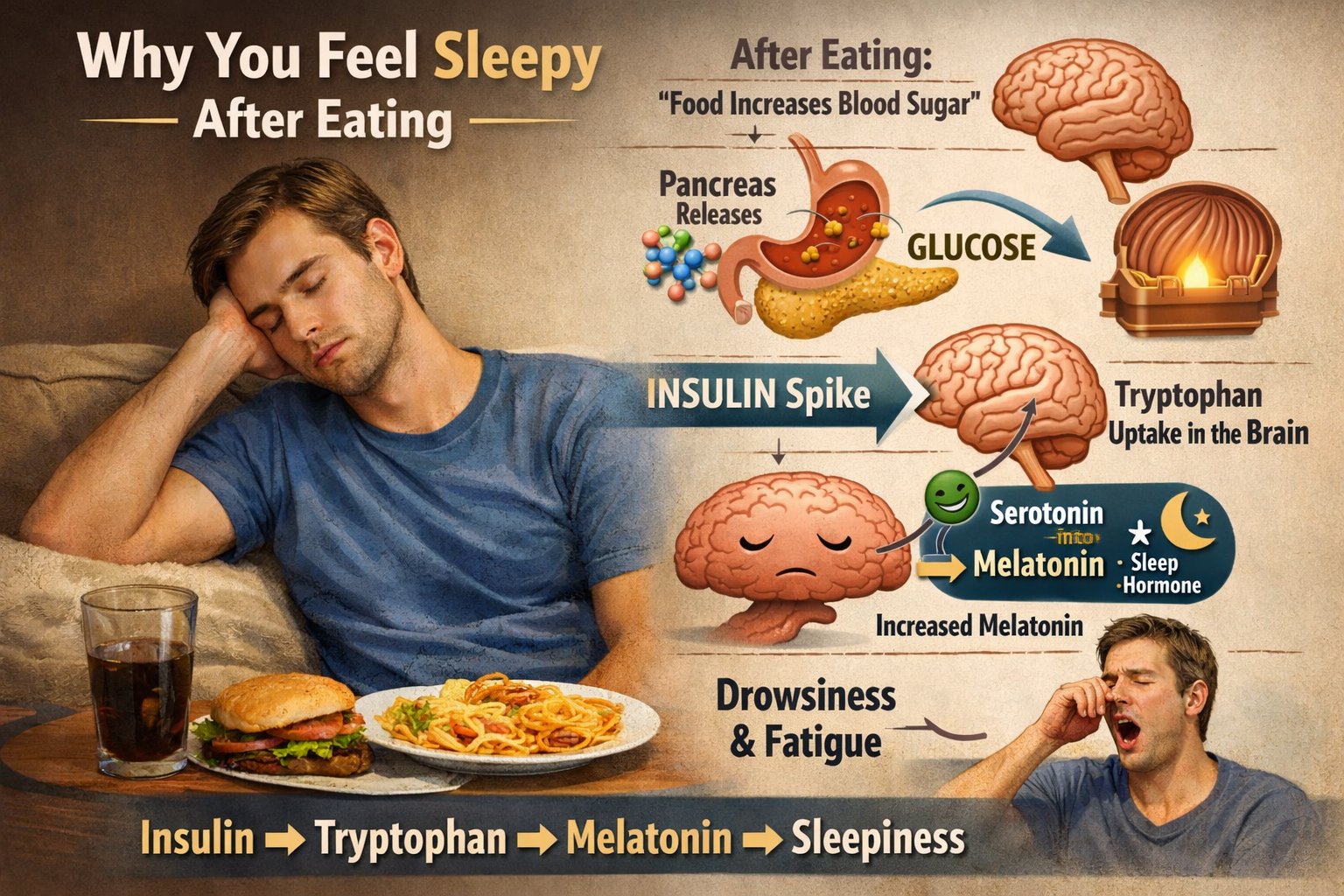
Why Do You Feel Sleepy After Eating? Understanding Insulin and Post-Meal Fatigue
If you live in Clayton, Chesterfield, Ladue, Frontenac, Des Peres, Kirkwood, Webster Groves, Sunset Hills, Town and Country, Ballwin, Manchester, Wildwood, Creve Coeur, Maryland Heights, Florissant, Hazelwood, University City, Richmond Heights, Maplewood, Brentwood, Affton, Mehlville, Oakville, Arnold, or Farmington, or across the river in Belleville, O’Fallon, Edwardsville, Glen Carbon, Collinsville, Fairview Heights, Waterloo, Columbia, Alton, or Granite City, and you routinely feel sleepy after eating — this is something I want you to pay attention to.
Because while it’s common, it’s not always normal.
At Sheen Vein (Aesthetics & Functional Medicine), one of the most frequent metabolic complaints we hear is:
“I feel like I need a nap after lunch.”
“After dinner I can’t keep my eyes open.”
“Carbs knock me out.”
“I just assumed that’s how my body works.”
But post-meal sleepiness is often a metabolic signal — especially related to insulin regulation.
Let’s break it down clearly and clinically.
What Happens in Your Body After You Eat?
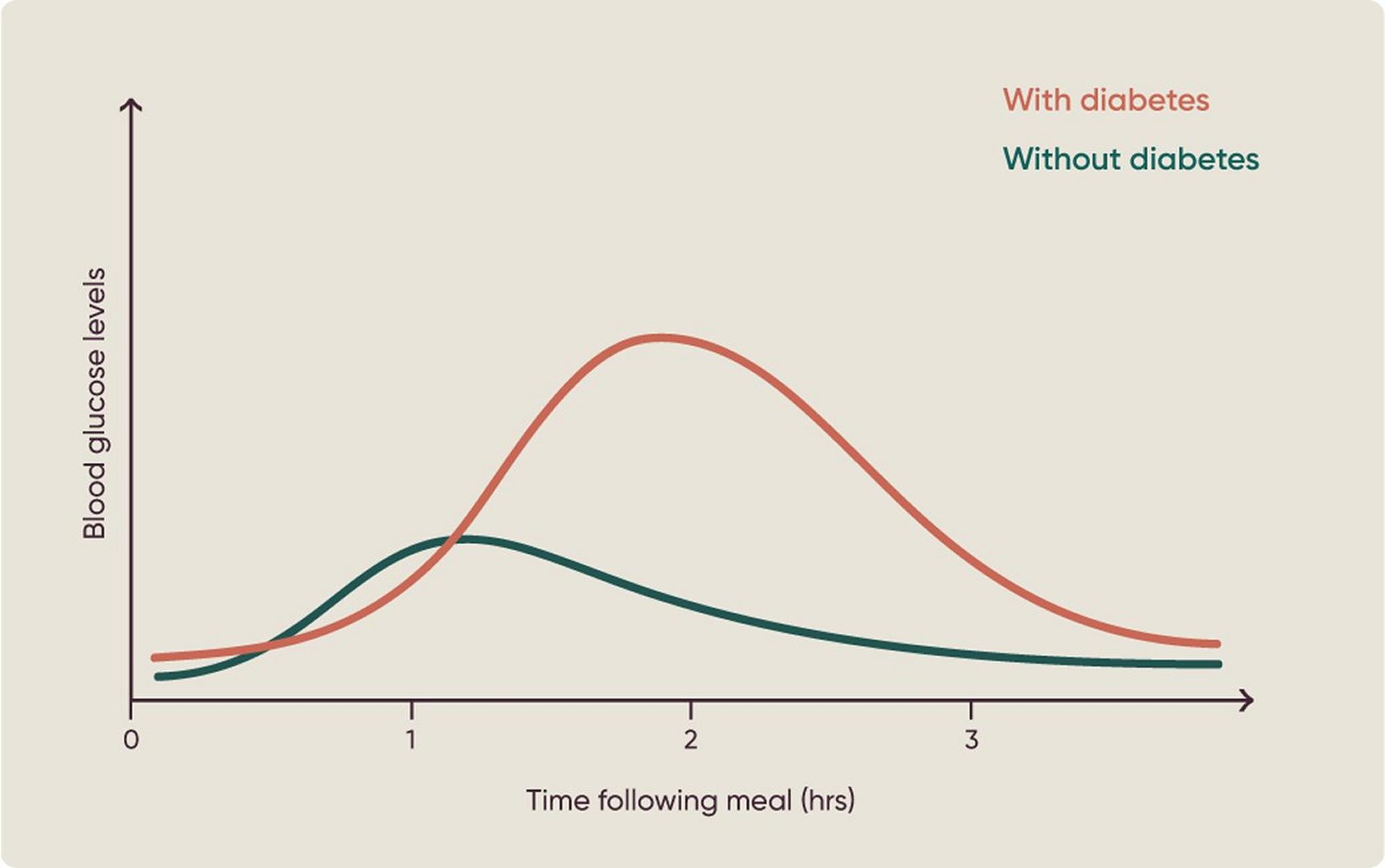


4
When you eat — particularly carbohydrates — your blood sugar rises.
Your pancreas responds by releasing insulin.
Insulin’s job is to:
- Move glucose into muscle cells
- Move glucose into fat cells
- Suppress liver glucose output
- Promote energy storage
In a metabolically healthy person:
- Blood sugar rises gently.
- Insulin rises proportionally.
- Energy remains stable.
But that’s not what we commonly see in modern metabolic physiology across St. Louis County and Southern Illinois.
The 3 Most Common Causes of Post-Meal Sleepiness
1. Insulin Spikes
If you have insulin resistance — even mild, early-stage insulin resistance — your body must release more insulin to manage glucose.
Higher insulin levels can:
- Drive glucose rapidly into cells
- Lower blood sugar faster than ideal
- Trigger fatigue signaling in the brain
This is not diabetes.
This can happen long before your A1C becomes abnormal.
In patients from Chesterfield to Belleville, we often see:
- Normal fasting glucose
- Normal A1C
- Elevated fasting insulin
- Elevated post-meal insulin
This is early metabolic dysfunction.
2. Reactive Hypoglycemia
Sometimes insulin overshoots.
You eat.
Blood sugar rises.
Insulin spikes high.
Blood sugar drops too quickly.
Now your brain senses falling glucose.
You feel:
- Sleepy
- Foggy
- Irritable
- Craving sugar
- Shaky in some cases
Many high-functioning professionals in Clayton or Edwardsville assume this is just “afternoon slump.”
But physiologically, it’s a blood sugar swing.
3. Inflammatory Meals
Certain meals cause:
- Gut inflammation
- Cytokine release
- Histamine response
- Increased parasympathetic activation
The body shifts into a “rest and digest” mode — sometimes excessively.
This is especially common in individuals with:
- Dysbiosis
- Leaky gut
- Food sensitivities
- Chronic stress patterns
At Sheen Vein, we evaluate the gut-insulin connection regularly because metabolic and inflammatory pathways are deeply intertwined.
Learn more about our functional medicine approach here:
👉 https://www.sheenvein.com
Why Insulin Matters Beyond Sleepiness
Insulin is not just about blood sugar.
Chronically elevated insulin contributes to:
- Weight gain
- Visceral fat accumulation
- Testosterone suppression
- Estrogen dominance
- PCOS
- Fatty liver
- Cardiovascular risk
- Neuroinflammation
When someone in Ballwin or O’Fallon tells me they feel sleepy after eating, I don’t just think “energy problem.”
I think:
- Metabolic flexibility
- Mitochondrial efficiency
- Insulin signaling
Because post-meal fatigue is often an early warning sign.
The Carbohydrate Myth
Patients often say:
“Carbs make me sleepy.”
Carbohydrates themselves are not the enemy.
The issue is:
- The dose
- The timing
- The pairing
- The insulin sensitivity of the individual
For example:
White rice alone → rapid glucose spike
White rice with protein and fiber → slower glucose curve
The goal is metabolic stability, not carb elimination.
The Cortisol-Insulin Interaction
If you’re chronically stressed — and many patients in St. Louis County are — your cortisol rhythm may be disrupted.
High morning cortisol + high carbohydrate intake = exaggerated insulin response.
Low afternoon cortisol + reactive hypoglycemia = energy crash.
This is why we evaluate:
- Fasting insulin
- C-peptide
- Cortisol rhythm
- Sleep quality
- Thyroid markers
- Body composition
Post-meal sleepiness is rarely isolated.
Signs Your Post-Meal Sleepiness Is Metabolic
Consider evaluation if you experience:
- Sleepiness within 30–90 minutes after eating
- Brain fog after carbs
- Midday crashes
- Sugar cravings after meals
- Central weight gain
- Elevated triglycerides
- Borderline fasting glucose
- Family history of diabetes
These patterns are common across:
Clayton, Chesterfield, Ladue, Frontenac, Des Peres, Kirkwood, Webster Groves, Sunset Hills, Town and Country, Ballwin, Manchester, Wildwood, Creve Coeur, Maryland Heights, Florissant, Hazelwood, University City, Richmond Heights, Maplewood, Brentwood, Affton, Mehlville, Oakville, Arnold, Farmington
and
Belleville, O’Fallon, Edwardsville, Glen Carbon, Collinsville, Fairview Heights, Waterloo, Columbia, Alton, Granite City.
What We Do at Sheen Vein (Aesthetics & Functional Medicine)
When someone presents with post-meal fatigue, we don’t just tell them to “eat better.”
We assess:
1. Fasting Insulin
Often more revealing than glucose.
2. Lipid Markers
High triglycerides often correlate with insulin resistance.
3. Body Composition
Visceral fat drives insulin dysfunction.
4. Hormone Levels
Low testosterone or estrogen imbalance worsens insulin sensitivity.
5. Gut Health
Inflammation amplifies insulin resistance.
Treatment Is Not About Extreme Diets
In most cases, improvement involves:
- Protein prioritization
- Balanced macronutrients
- Resistance training
- Sleep optimization
- Stress regulation
- Strategic nutraceutical support (when appropriate)
- Hormonal optimization if indicated
The goal is metabolic flexibility — the ability to burn fuel efficiently without crashing.
When It’s Normal vs When It’s Not
Some mild post-meal relaxation is normal.
But if:
- You struggle to function
- You avoid meetings after lunch
- You feel mentally dull after dinner
- You depend on caffeine to recover
That’s not optimal physiology.
And optimal physiology is what we aim for.
Final Thoughts
Feeling sleepy after eating is common in modern America — including here in St. Louis County and Southern Illinois.
But common does not mean healthy.
It’s often your first early signal that insulin regulation needs attention.
And the earlier we address it, the easier it is to reverse.
If you’re experiencing post-meal fatigue and want a deeper metabolic evaluation, we would be honored to help.
Schedule a consultation here:
👉 https://www.sheenvein.com
Because energy stability is not a luxury.
It’s a sign of metabolic health.