Venous Stasis Ulcers Causes Symptoms and Treatment Guide
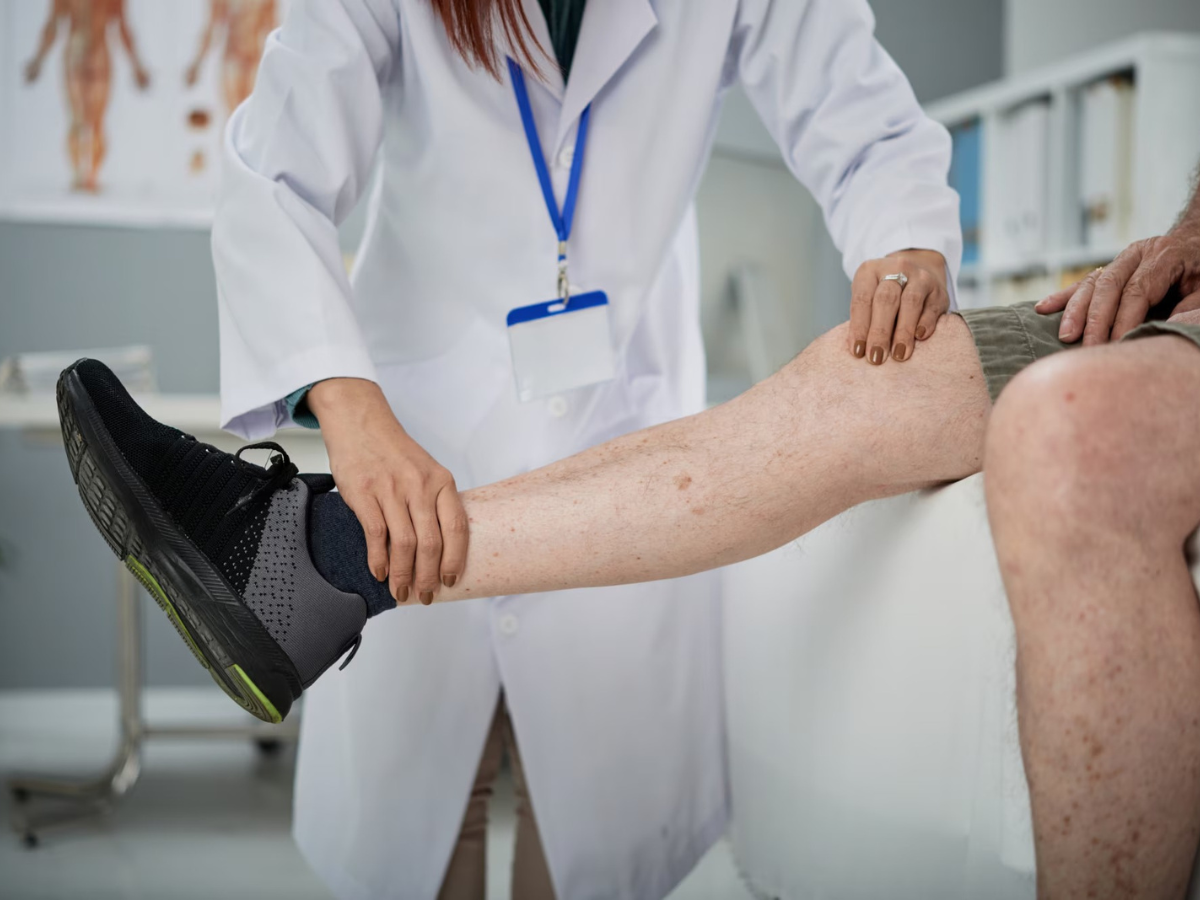
Venous stasis ulcers are chronic leg wounds caused by poor blood circulation in the veins. These venous stasis ulcers develop when blood pools in the lower legs due to venous insufficiency, increasing pressure that damages the skin and underlying tissue. Without proper care, they can become slow-healing or recurring wounds that impact daily comfort and mobility.
This guide explains the causes, symptoms, healing process, and treatment options based on clinical approaches used at Sheen Vein (Aesthetics and Functional Medicine) in St. Louis, MO, where care focuses on improving circulation and supporting long-term recovery.
What Are Venous Stasis Ulcers
A type of chronic wound that develops when veins in the legs fail to properly return blood back to the heart. This condition is known as venous insufficiency. When blood flow becomes inefficient, pressure builds in the lower extremities. Over time, this pressure damages the skin and underlying tissues, leading to open sores that may be slow to heal.
These venous ulcers are often linked to abnormal or weakened vein function in and around the affected area. When multiple vein abnormalities are present, they interfere with normal blood flow through the skin’s dermal layers. This reduced circulation limits oxygen and nutrient delivery to the tissue, increasing the risk of skin breakdown and delayed healing.
As pressure continues to build, the skin may become fragile, discolored, and prone to injury. Even minor trauma can lead to ulcer formation. In more advanced cases, the lack of proper circulation prevents the wound from healing naturally, causing the ulcer to persist or recur over time. This is why effective venous ulcers treatment must focus not only on the wound itself but also on restoring healthy blood flow throughout the leg.
Causes of Venous Stasis Ulcers
Venous ulcers develop due to long-term venous insufficiency, where vein valves weaken and blood flow becomes disrupted.
Primary causes include:
- Chronic venous insufficiency
- Weak or damaged vein valves
- Blood pooling in the lower legs
Common risk factors:
- Prolonged standing or sitting
- Obesity
- Older age
- History of deep vein thrombosis
- Varicose veins
- Peripheral artery disease
A vascular care review published in clinical wound literature reports that chronic venous insufficiency is responsible for a large majority of non-healing leg ulcers, especially in older adults with circulatory conditions.
Symptoms of Venous Stasis Ulcers
Symptoms typically develop gradually and worsen over time if circulation is not corrected.
Early symptoms:
- Swelling in the lower legs
- Heaviness or aching sensation
- Skin discoloration around the ankles
Advanced symptoms:
- Open wounds that do not heal
- Recurrent ulcers in the same area
- Redness and inflammation
- Fluid leakage from the wound
- Thickened or hardened skin around the ulcer
These symptoms are often linked to ongoing venous insufficiency that continues to restrict proper blood flow.
How Venous Stasis Ulcers Are Diagnosed
Diagnosis involves identifying both the ulcer and the underlying vein dysfunction.
Clinical evaluation:
- Physical examination of the affected area
- Review of symptoms and medical history
Imaging tests:
- Doppler ultrasound to assess blood flow
- Venous duplex ultrasound to detect venous insufficiency
Identifying the underlying circulation problem is essential because treatment must address both the wound and the vein dysfunction.
How Venous Stasis Ulcers Heal
Healing depends on restoring proper venous circulation and supporting tissue repair. At treatment focuses on improving blood flow throughout the entire leg, not just the ulcer site.
Step 1: Restoring circulation
Compression therapy is used to reduce swelling and improve venous return. This helps lower pressure in the veins and supports healing.
Step 2: Wound care management
Standard care includes:
- Cleaning and protecting the ulcer
- Applying appropriate dressings
- Preventing infection
Step 3: Treating venous insufficiency
Long-term healing requires addressing the root cause of poor circulation.
This may include:
- Lifestyle changes such as regular movement
- Weight management support
- Reducing long periods of standing or sitting
Step 4: Advanced vein treatment options
Depending on severity, treatment may include:
- Minimally invasive vein procedures
- Closure of malfunctioning veins
- Targeted vascular treatments to improve circulation
Venous Stasis Ulcers Treatment at Sheen Vein
The treatment focuses on restoring venous circulation to support natural healing. The approach is designed to improve blood flow not only around the ulcer but throughout the entire leg. This helps create conditions where the skin can heal more effectively without unnecessary intervention.
Treatment approach includes:
- Compression-based therapy
- Evaluation of venous insufficiency
- Ultrasound-guided diagnosis
- Functional circulation improvement strategies
- Minimally invasive vein care when needed
This comprehensive strategy supports both ulcer healing and long-term prevention of recurrence.
Why Venous Stasis Ulcers Are Slow to Heal
Venous ulcers take longer to heal compared to other wounds due to:
- Ongoing poor blood circulation
- Increased pressure in leg veins
- Skin tissue damage from prolonged swelling
- Reduced oxygen delivery to affected tissue
Without correcting venous insufficiency, ulcers may continue to return even after temporary healing.
Prevention Strategies
Preventing venous ulcers focuses on improving circulation and reducing vein pressure.
Helpful strategies:
- Regular walking or leg movement
- Avoiding long periods of sitting or standing
- Maintaining a healthy body weight
- Using compression therapy when recommended
- Early evaluation of vein problems
Early intervention can significantly reduce the risk of ulcer formation.
FAQ
What causes venous stasis ulcers?
Venous stasis ulcers are caused by chronic venous insufficiency, where blood pools in the lower legs due to weak vein valves.
How do venous stasis ulcers heal?
Healing requires restoring blood flow, reducing swelling through compression therapy, and treating underlying vein disease.
Can venous stasis ulcers go away on their own?
They rarely heal without medical treatment because the underlying circulation problem must be corrected.
What is the best treatment for venous stasis ulcers?
The most effective approach combines compression therapy, wound care, and treatment of venous insufficiency.
Are venous stasis ulcers serious?
Yes, they can become chronic and worsen without proper treatment, leading to infection or long-term tissue damage.
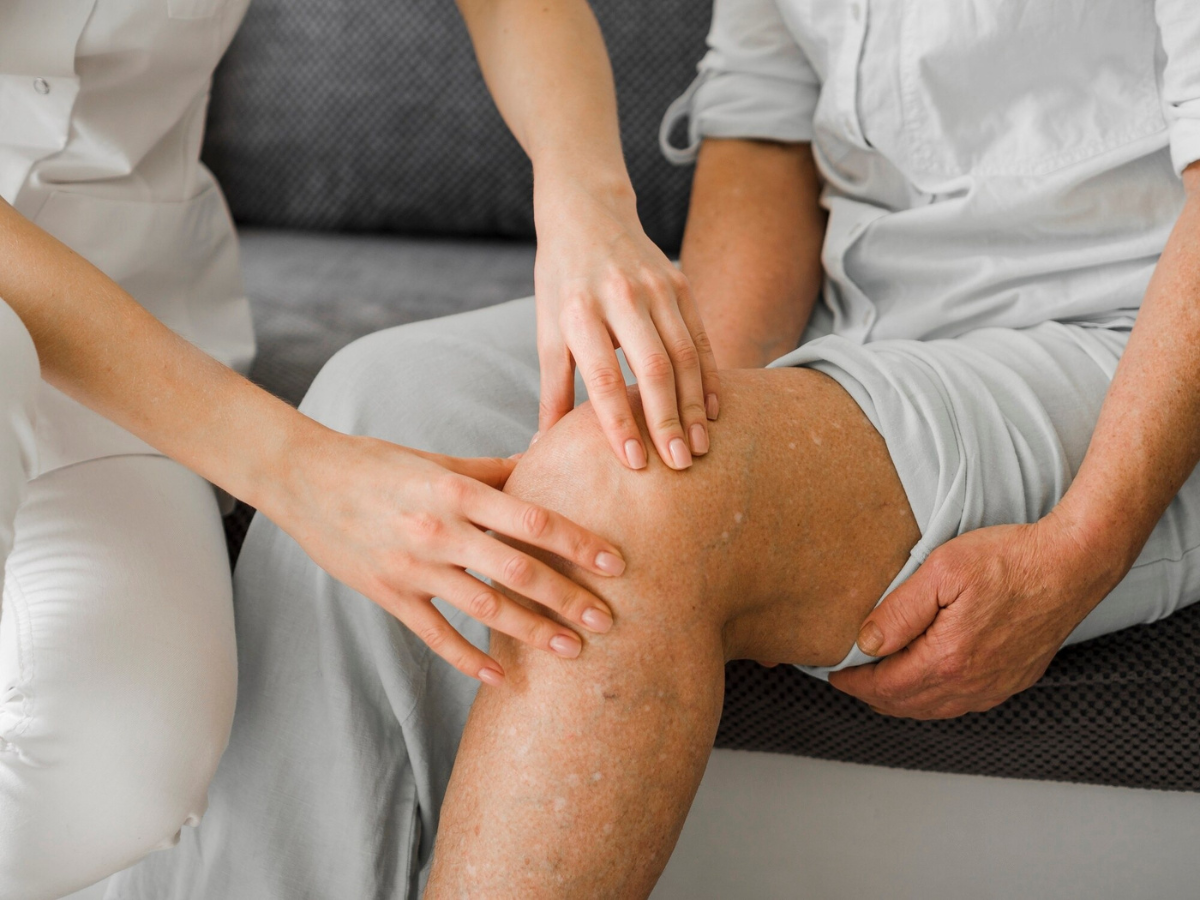
Treatment and Long Term Healing Insights
Venous stasis ulcers are a direct result of poor venous circulation and require more than surface-level wound care. These chronic wounds often persist when underlying vein dysfunction is not addressed, making proper diagnosis and a comprehensive venous stasis ulcers treatment plan essential. Effective healing depends on restoring healthy blood flow throughout the leg, reducing pressure in the veins, and supporting the body’s natural repair process.
Through detailed evaluation, advanced diagnostics, and targeted circulation-based therapies, patients receive care designed to improve recovery outcomes and help prevent future ulcer recurrence.
Sheen Vein (Aesthetics and Functional Medicine)
11144 Tesson Ferry Rd #100, St. Louis, MO 63123
sheenveinandcosmetics.com
Plan Your Fat Transplant Journey
- Book Appointment – Schedule a consultation to evaluate venous stasis ulcers and discuss personalized treatment options.
- Contact Now – Get more information about venous stasis ulcers treatment and circulation-focused care in St. Louis.