Autoimmune Disease and Gut Health: Understanding the Gut-Immune Connection and How a Healthy Microbiome May Support Immune Function
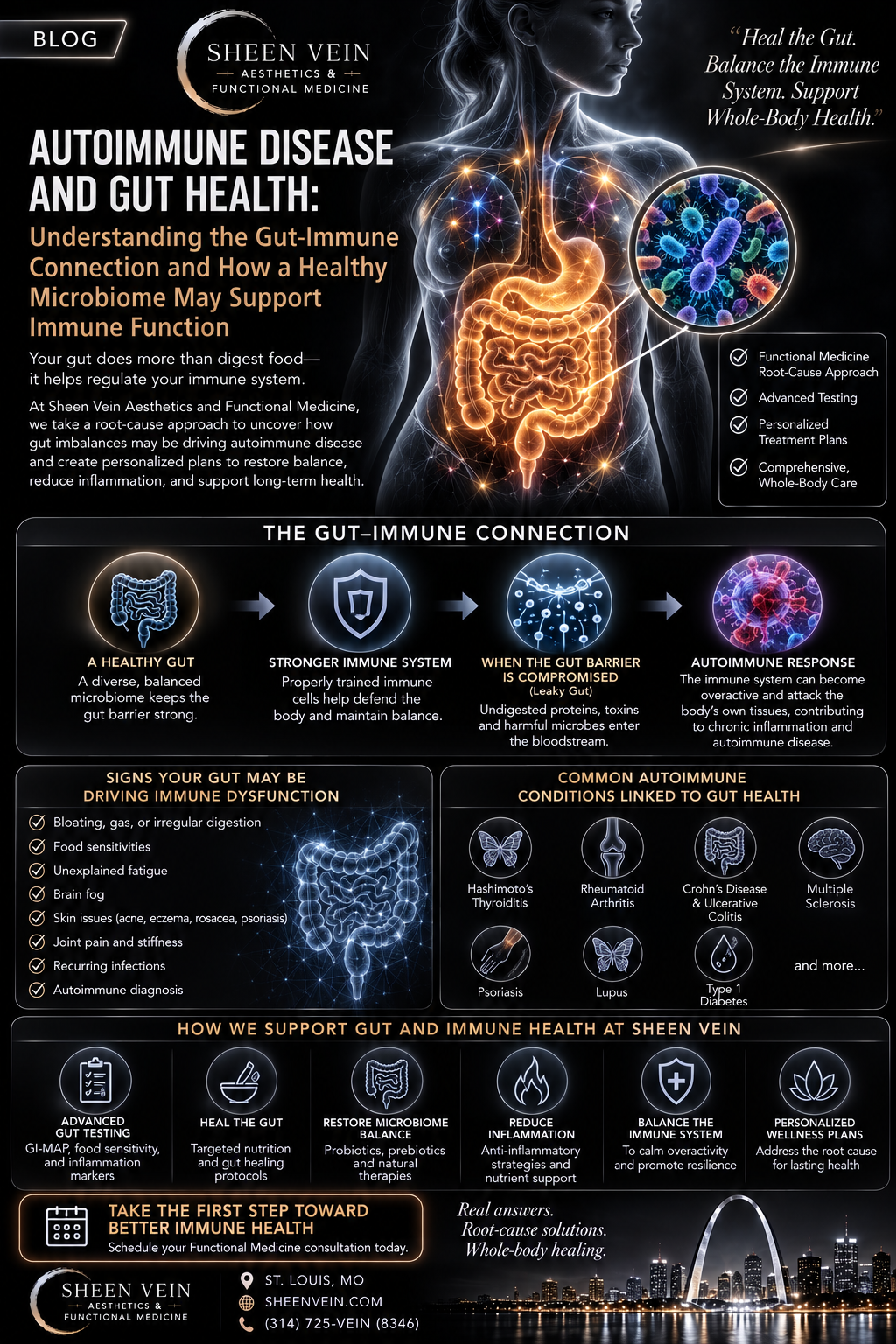
Autoimmune diseases affect more than 24 million Americans, and their prevalence has steadily increased over the past several decades. Conditions such as rheumatoid arthritis, Hashimoto's thyroiditis, lupus, psoriasis, inflammatory bowel disease, multiple sclerosis, celiac disease, and type 1 diabetes can significantly impact quality of life, often causing chronic pain, fatigue, digestive symptoms, and inflammation throughout the body.
Although genetics play an important role in determining who develops an autoimmune condition, genes alone do not explain why autoimmune diseases have become increasingly common. Researchers now recognize that environmental factors—including diet, infections, stress, medications, and the health of the gut microbiome—may influence immune regulation and contribute to the development or progression of autoimmune disorders.
One of the most exciting areas of modern medical research is the relationship between the digestive system and the immune system, often referred to as the gut-immune axis. While gut health is not the sole cause of autoimmune disease and improving gut health is not a cure, a growing body of evidence suggests that optimizing the gut microbiome and reducing intestinal inflammation may support immune balance and overall health.
At Sheen Vein & Aesthetics in St. Louis, our functional medicine approach focuses on identifying underlying contributors to chronic inflammation while complementing—not replacing—evidence-based medical care. Understanding the connection between gut health and the immune system can empower patients to make informed decisions about their long-term wellness.
What Is an Autoimmune Disease?
The immune system is designed to protect the body from harmful invaders such as bacteria, viruses, fungi, and parasites. Under normal circumstances, it can distinguish between foreign organisms and your own healthy tissues.
In autoimmune diseases, this process breaks down. The immune system mistakenly recognizes parts of the body as foreign and launches an attack against healthy cells and tissues.
Depending on the disease, the immune system may target:
- Joints
- Skin
- Thyroid gland
- Intestines
- Nervous system
- Blood vessels
- Kidneys
- Pancreas
- Muscles
- Connective tissue
This inappropriate immune response leads to chronic inflammation and tissue damage.
Common Autoimmune Diseases
There are more than 100 recognized autoimmune disorders, including:
- Rheumatoid arthritis
- Hashimoto's thyroiditis
- Graves' disease
- Multiple sclerosis
- Psoriasis
- Psoriatic arthritis
- Lupus (systemic lupus erythematosus)
- Type 1 diabetes
- Celiac disease
- Crohn's disease
- Ulcerative colitis
- Sjögren's syndrome
- Autoimmune hepatitis
- Vitiligo
- Ankylosing spondylitis
Many autoimmune diseases share similar inflammatory pathways despite affecting different organs.
Why Does the Immune System Attack Itself?
Autoimmune disease rarely results from a single cause. Instead, researchers believe it develops through a combination of factors that include:
- Genetic susceptibility
- Environmental exposures
- Hormonal influences
- Viral or bacterial infections
- Smoking
- Chronic stress
- Sleep disruption
- Dietary factors
- Changes in the gut microbiome
For many people, genetics may "load the gun," but environmental factors help "pull the trigger."
The Gut: Home to the Majority of the Immune System
One reason gut health has become such an important area of autoimmune research is that approximately 70–80% of the body's immune cells are associated with the gastrointestinal tract.
This makes sense when you consider that the digestive system is constantly exposed to food, bacteria, viruses, and environmental substances.
The gut must accomplish two very different tasks:
- Tolerate harmless substances like food proteins and beneficial bacteria.
- Defend against dangerous pathogens.
Maintaining this balance requires an incredibly sophisticated immune network.
What Is the Gut Microbiome?
The gut microbiome consists of trillions of microorganisms living primarily in the large intestine.
These include:
- Beneficial bacteria
- Viruses
- Fungi
- Archaea
- Other microbes
Far from being harmful, many of these organisms perform essential functions such as:
- Digesting dietary fiber
- Producing vitamins
- Creating short-chain fatty acids
- Supporting metabolism
- Training the immune system
- Protecting against harmful bacteria
- Helping maintain the intestinal barrier
A diverse and balanced microbiome is generally associated with better overall health.
What Is Dysbiosis?
Dysbiosis refers to an imbalance in the gut microbiome.
This may involve:
- Reduced bacterial diversity
- Loss of beneficial bacteria
- Overgrowth of potentially harmful organisms
- Altered production of microbial metabolites
Researchers have identified dysbiosis in numerous autoimmune diseases, although it remains unclear in many cases whether these microbial changes are a cause, a consequence, or both.
The Intestinal Barrier: Your Body's Security System
The intestinal lining acts as a highly selective barrier.
Its job is to:
- Allow nutrients into the bloodstream.
- Keep bacteria, toxins, and undigested food particles inside the gut.
Specialized proteins known as tight junctions help regulate this barrier.
When the barrier functions properly, it protects the body while allowing efficient nutrient absorption.
What Is Increased Intestinal Permeability?
Increased intestinal permeability—often referred to as "leaky gut"—occurs when the intestinal barrier becomes less selective.
This may allow larger molecules and bacterial components to pass into the bloodstream, potentially activating the immune system.
Although the term "leaky gut" is often oversimplified online, increased intestinal permeability has been documented in several autoimmune diseases, including:
- Celiac disease
- Type 1 diabetes
- Crohn's disease
- Rheumatoid arthritis
- Ankylosing spondylitis
Scientists continue to study whether intestinal permeability contributes to disease development, disease progression, or both.
How the Gut May Influence Autoimmune Disease
Several mechanisms have been proposed.
Immune Education
Beneficial bacteria help "train" the immune system to distinguish between harmless substances and genuine threats.
A disrupted microbiome may alter this education process, leading to inappropriate immune activation.
Chronic Inflammation
An unhealthy microbiome may increase inflammatory signaling throughout the body.
Persistent inflammation can influence immune regulation and may worsen autoimmune symptoms.
Molecular Mimicry
Certain bacteria and viruses contain proteins that resemble human tissues.
In some situations, immune responses directed against microbes may also mistakenly attack the body's own cells.
This phenomenon is known as molecular mimicry and has been implicated in several autoimmune diseases.
Short-Chain Fatty Acids
Beneficial gut bacteria ferment dietary fiber into short-chain fatty acids such as butyrate, acetate, and propionate.
These compounds help:
- Nourish intestinal cells
- Strengthen the gut barrier
- Regulate inflammation
- Promote healthy immune responses
Reduced production of these metabolites has been observed in several autoimmune conditions.
Autoimmune Diseases Associated with Gut Changes
Rheumatoid Arthritis
Patients with rheumatoid arthritis often demonstrate alterations in their gut microbiome before the onset of significant joint symptoms.
Certain bacterial species have been linked with increased inflammatory activity, while reduced microbial diversity has been observed in many individuals.
Multiple Sclerosis
Emerging research suggests that gut bacteria may influence immune cells involved in multiple sclerosis.
Animal studies and early human research indicate that changes in the microbiome may affect inflammation within the central nervous system.
Hashimoto's Thyroiditis
Hashimoto's disease is the most common cause of hypothyroidism.
Although the exact relationship remains under investigation, alterations in gut microbiota, intestinal permeability, and nutrient absorption may influence thyroid health in susceptible individuals.
Type 1 Diabetes
Studies suggest that children who eventually develop type 1 diabetes often demonstrate changes in gut bacteria before the onset of disease.
Researchers continue to investigate whether modifying the microbiome could influence future disease risk.
Psoriasis
Psoriasis is increasingly recognized as a systemic inflammatory disease rather than simply a skin condition.
Gut dysbiosis has been reported in many patients with psoriasis, raising interest in therapies that reduce systemic inflammation.
Inflammatory Bowel Disease
Crohn's disease and ulcerative colitis are perhaps the clearest examples of diseases involving direct interaction between the immune system and gut microbiome.
Although the microbiome is not the only factor involved, restoring microbial balance remains an active area of research.
Diet: Fuel for the Microbiome
One of the strongest influences on gut bacteria is diet.
Foods that generally support microbial diversity include:
- Vegetables
- Fruits
- Legumes
- Whole grains
- Nuts
- Seeds
- Olive oil
- Fatty fish
- Fermented foods
These foods provide fiber and plant compounds that nourish beneficial bacteria.
The Importance of Fiber
Dietary fiber is not just important for digestion.
It serves as food for beneficial bacteria.
When bacteria ferment fiber, they produce short-chain fatty acids that help regulate inflammation and support the intestinal barrier.
Unfortunately, many adults consume significantly less fiber than recommended.
Can Probiotics Help Autoimmune Disease?
Probiotics are live microorganisms that may provide health benefits when consumed in adequate amounts.
Some studies suggest certain probiotic strains may improve inflammatory markers or gastrointestinal symptoms in selected autoimmune diseases.
However:
- Not all probiotics are the same.
- Benefits vary by condition.
- Different strains perform different functions.
- Probiotics are not a cure for autoimmune disease.
Choosing evidence-based strains under professional guidance is important.
Prebiotics Matter Too
Prebiotics are specialized fibers that nourish beneficial bacteria.
Natural sources include:
- Garlic
- Onions
- Asparagus
- Oats
- Bananas
- Chicory root
- Jerusalem artichokes
Supporting existing beneficial bacteria is just as important as introducing new ones.
Vitamin D and Immune Health
Vitamin D plays an important role in immune regulation.
Low vitamin D levels have been associated with increased risk or greater disease activity in several autoimmune conditions.
Maintaining healthy vitamin D levels may support normal immune function, although supplementation should be individualized based on laboratory testing and medical guidance.
Stress and Autoimmune Disease
Chronic stress affects both the immune system and the gut microbiome.
Long-term stress may:
- Increase inflammatory cytokines
- Alter gut bacteria
- Increase intestinal permeability
- Raise cortisol levels
- Worsen autoimmune flares
Stress reduction strategies such as mindfulness, exercise, adequate sleep, and counseling may complement medical treatment.
Sleep and Immune Function
Poor sleep has been linked to:
- Increased inflammation
- Impaired immune regulation
- Reduced tissue repair
- Greater fatigue
Prioritizing restorative sleep is an important component of overall autoimmune health.
Exercise Supports Immune Balance
Regular physical activity may:
- Reduce chronic inflammation
- Improve insulin sensitivity
- Enhance microbial diversity
- Improve cardiovascular health
- Support mood and energy levels
Moderate exercise is generally beneficial, though activity should be individualized during disease flares.
Functional Medicine and Autoimmune Disease
Functional medicine seeks to identify factors that may influence chronic inflammation and immune health.
Depending on the patient, this may include evaluating:
- Nutrition
- Sleep
- Stress
- Metabolic health
- Digestive symptoms
- Micronutrient status
- Lifestyle habits
It's important to emphasize that functional medicine should complement—not replace—evidence-based care from specialists such as rheumatologists, gastroenterologists, endocrinologists, or neurologists.
The goal is to support overall health while conventional treatments manage disease activity.
Frequently Asked Questions
Can poor gut health cause autoimmune disease?
Autoimmune diseases are complex and result from interactions among genetics, environmental factors, and immune regulation. Poor gut health alone does not directly cause autoimmune disease, but growing evidence suggests that changes in the microbiome and intestinal barrier may influence immune function in susceptible individuals.
Can improving gut health cure autoimmune disease?
No. There is currently no evidence that improving gut health alone cures autoimmune diseases. However, optimizing nutrition, supporting a healthy microbiome, and reducing chronic inflammation may complement conventional medical treatment and improve overall health.
Should everyone with autoimmune disease take probiotics?
Not necessarily. Different autoimmune diseases—and even different individuals with the same condition—may benefit from different probiotic strains or none at all. Probiotic use should be individualized based on your symptoms, medical history, and guidance from a qualified healthcare professional.
Is gluten the cause of autoimmune disease?
Gluten is the trigger for celiac disease, but it is not the cause of most autoimmune disorders. Unless you have celiac disease, non-celiac gluten sensitivity, or another medically supported reason, eliminating gluten may not be necessary or beneficial.
Why is inflammation important?
Inflammation is a normal part of the immune response, but chronic, uncontrolled inflammation can damage healthy tissues. Managing inflammation through appropriate medical treatment, healthy lifestyle choices, and addressing contributing factors may improve quality of life for many people living with autoimmune disease.
Why Choose Sheen Vein & Aesthetics for Functional Medicine in St. Louis?
At Sheen Vein & Aesthetics, we recognize that chronic inflammatory conditions are rarely influenced by a single factor. Our functional medicine approach looks beyond symptoms to better understand the interconnected relationships among the gut, immune system, metabolism, nutrition, and lifestyle.
For patients living with autoimmune diseases, we work alongside your existing healthcare team to identify opportunities that may support overall wellness. This may include evaluating dietary habits, digestive health, nutrient status, sleep quality, stress management, and other lifestyle factors that can influence systemic inflammation and immune function. Our goal is not to replace your rheumatologist, endocrinologist, gastroenterologist, neurologist, or primary care physician, but rather to complement evidence-based medical care with a personalized, whole-body approach.
Every treatment plan is individualized because no two patients—or autoimmune conditions—are exactly alike. Through education, comprehensive evaluation, and evidence-informed recommendations, we strive to help patients optimize their health while supporting their body's natural resilience.
Schedule Your Functional Medicine Consultation Today
If you're living with an autoimmune condition and are interested in learning more about the relationship between gut health, inflammation, and immune function, our team at Sheen Vein & Aesthetics is here to help.
Together, we'll develop a personalized wellness plan that complements your current medical care and focuses on improving overall health through nutrition, lifestyle optimization, gut health support, and functional medicine principles.
Whether you've recently been diagnosed or have been managing an autoimmune disease for years, taking a comprehensive approach may help you better understand the factors influencing your health and empower you to make informed decisions about your wellness journey.