Chronic Fatigue and Metabolic Health: Understanding the Hidden Causes of Low Energy and How to Restore Vitality
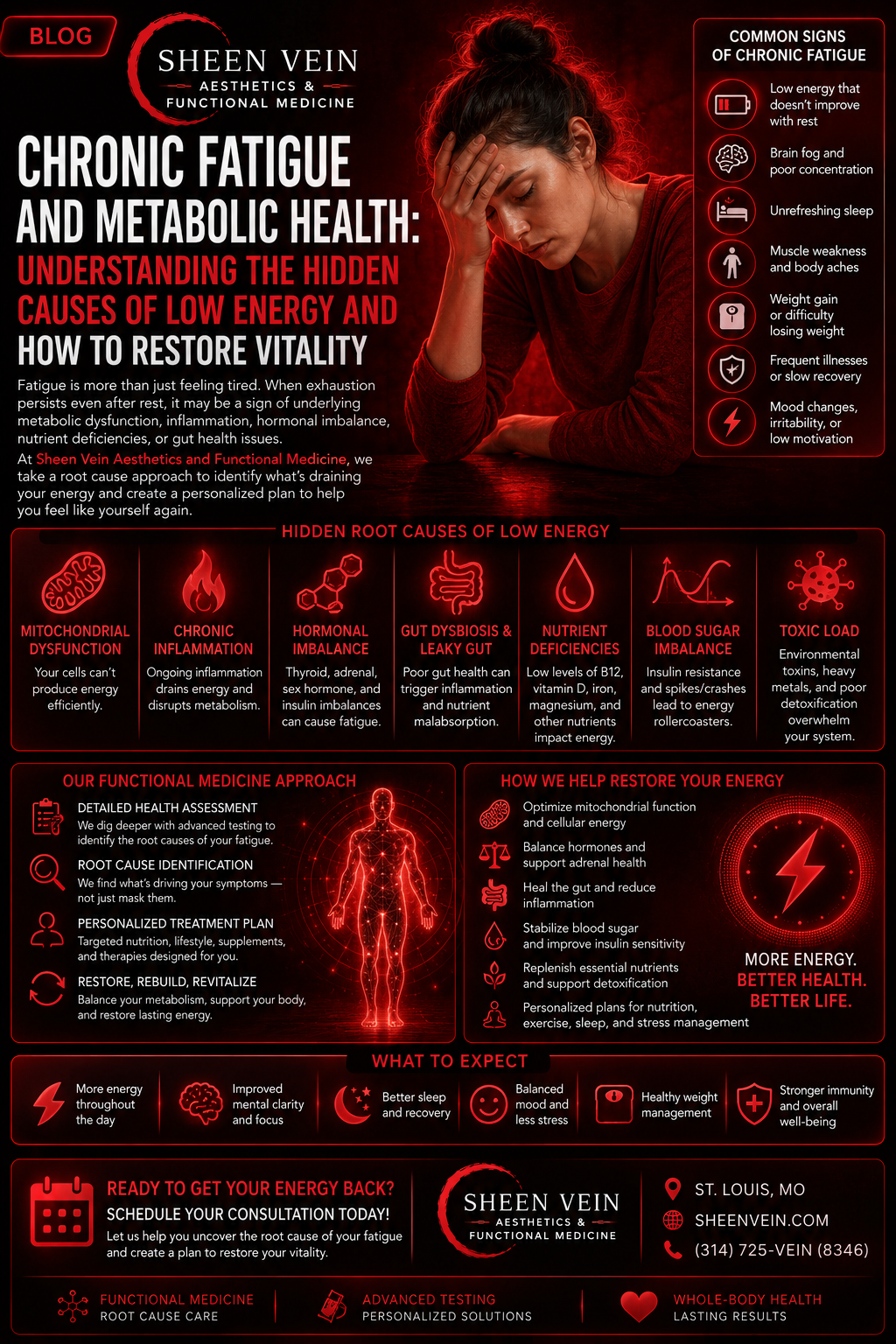
Chronic Fatigue and Metabolic Health: Why You're Always Tired and What Your Body May Be Trying to Tell You
Almost everyone feels tired occasionally after a poor night's sleep or a particularly stressful week. But when exhaustion becomes persistent, interferes with daily life, and doesn't improve with adequate rest, it's time to look deeper.
Chronic fatigue is one of the most common reasons adults seek medical care. Many patients describe feeling "drained," "foggy," or as though they're running on empty despite getting enough sleep. Some struggle to complete normal daily activities, while others notice declining work performance, reduced exercise tolerance, and difficulty concentrating.
Although chronic fatigue is often blamed on aging or a busy lifestyle, it is frequently the result of underlying medical or metabolic issues that deserve evaluation. One of the most overlooked contributors is poor metabolic health.
Your metabolism is far more than how quickly you burn calories. It encompasses the complex network of processes that convert food into energy, regulate hormones, maintain healthy blood sugar, support mitochondrial function, and fuel every cell in your body. When these systems become impaired, fatigue is often one of the earliest warning signs.
At Sheen Vein & Aesthetics in St. Louis, our functional medicine approach focuses on identifying the underlying causes of chronic fatigue rather than simply masking symptoms. By evaluating metabolic health alongside nutrition, hormones, sleep, inflammation, and lifestyle, we help patients better understand why they feel exhausted and develop personalized strategies to support long-term wellness.
What Is Chronic Fatigue?
Chronic fatigue is more than simply feeling sleepy.
People experiencing chronic fatigue often describe:
- Persistent exhaustion
- Lack of motivation
- Difficulty concentrating
- Brain fog
- Reduced physical endurance
- Poor exercise recovery
- Feeling unrefreshed after sleep
- Needing excessive caffeine just to function
- Difficulty completing normal daily activities
Fatigue may develop gradually over months or appear suddenly after an illness, stressful event, or other health change.
It's important to distinguish chronic fatigue as a symptom from Myalgic Encephalomyelitis/Chronic Fatigue Syndrome (ME/CFS), which is a specific medical condition with its own diagnostic criteria. Many different illnesses can cause chronic fatigue without meeting the criteria for ME/CFS.
What Is Metabolic Health?
Metabolic health refers to how efficiently your body produces and uses energy.
Healthy metabolism involves the coordinated function of:
- Blood sugar regulation
- Insulin sensitivity
- Mitochondrial function
- Hormone balance
- Body composition
- Liver health
- Muscle metabolism
- Cardiovascular function
- Inflammation
- Nutrient status
When one or more of these systems becomes impaired, energy production can decline.
Your Body Runs on Cellular Energy
Every heartbeat, every breath, every thought, and every muscle contraction requires energy.
This energy is produced inside tiny structures within your cells called mitochondria.
Mitochondria convert nutrients into ATP (adenosine triphosphate), the body's primary energy currency.
When mitochondrial function is impaired, cells may struggle to produce adequate energy, contributing to fatigue, slower recovery, reduced endurance, and cognitive difficulties.
Insulin Resistance: One of the Most Common Hidden Causes of Fatigue
Insulin resistance is one of the most common metabolic disorders affecting adults today.
In this condition, the body's cells become less responsive to insulin, making it harder for glucose to enter cells where it can be used for energy.
Initially, the pancreas compensates by producing more insulin. Over time, this can lead to chronically elevated insulin levels, impaired blood sugar regulation, and eventually prediabetes or type 2 diabetes.
Common symptoms include:
- Afternoon energy crashes
- Sugar cravings
- Weight gain around the abdomen
- Brain fog
- Increased hunger
- Difficulty losing weight
- Fatigue after meals
Even before diabetes develops, insulin resistance can significantly impact energy levels.
Blood Sugar Swings and Energy Crashes
Many people consume meals high in refined carbohydrates and added sugars.
This often produces:
- A rapid rise in blood sugar.
- A large insulin release.
- A subsequent drop in blood sugar.
These fluctuations may contribute to:
- Sleepiness after meals
- Irritability
- Difficulty concentrating
- Food cravings
- Recurrent fatigue
Stabilizing blood sugar through balanced nutrition can improve sustained energy throughout the day.
Mitochondrial Dysfunction
Healthy mitochondria are essential for producing ATP.
Research suggests mitochondrial dysfunction may contribute to fatigue in a variety of conditions, including:
- Aging
- Obesity
- Type 2 diabetes
- Cardiovascular disease
- Long COVID
- Chronic inflammatory conditions
- Neurodegenerative diseases
Factors that may impair mitochondrial function include:
- Oxidative stress
- Chronic inflammation
- Poor nutrition
- Sedentary lifestyle
- Sleep deprivation
- Smoking
- Environmental toxins
Supporting mitochondrial health has become an important focus of metabolic medicine.
Chronic Inflammation and Fatigue
Inflammation is a normal part of healing, but chronic low-grade inflammation can have widespread effects on the body.
Persistent inflammation may interfere with:
- Energy production
- Hormone signaling
- Brain function
- Sleep quality
- Muscle recovery
People with obesity, insulin resistance, autoimmune diseases, and chronic infections often have elevated inflammatory markers that may contribute to fatigue.
Poor Sleep: A Metabolic Problem and a Fatigue Problem
Sleep and metabolism are closely connected.
Inadequate or poor-quality sleep can:
- Increase insulin resistance
- Raise cortisol levels
- Increase appetite
- Alter hunger hormones
- Reduce growth hormone production
- Impair tissue repair
Common sleep disorders associated with fatigue include:
- Obstructive sleep apnea
- Insomnia
- Restless legs syndrome
- Circadian rhythm disorders
Even individuals who spend eight hours in bed may wake feeling exhausted if sleep quality is poor.
Hormonal Imbalances
Hormones play a central role in energy regulation.
Fatigue may be associated with:
Thyroid Disorders
An underactive thyroid (hypothyroidism) commonly causes:
- Fatigue
- Weight gain
- Cold intolerance
- Dry skin
- Constipation
- Brain fog
Overactive thyroid disease may also cause fatigue despite increased metabolism.
Low Testosterone
Men with low testosterone may experience:
- Reduced energy
- Decreased muscle mass
- Low motivation
- Depressed mood
- Reduced exercise performance
Women can also experience symptoms related to androgen deficiency, although evaluation and treatment require careful medical assessment.
Menopause
Declining estrogen levels during menopause may contribute to:
- Poor sleep
- Night sweats
- Mood changes
- Reduced energy
- Muscle loss
Hormone replacement therapy may be appropriate for selected patients after individualized evaluation.
Cortisol
Chronic stress may disrupt normal cortisol rhythms.
Persistently elevated cortisol can contribute to poor sleep, insulin resistance, weight gain, and fatigue.
Nutrient Deficiencies
Several nutritional deficiencies can impair energy production.
Common examples include:
- Iron deficiency
- Vitamin B12 deficiency
- Folate deficiency
- Vitamin D deficiency
- Magnesium deficiency
These nutrients support oxygen transport, nerve function, muscle function, and mitochondrial energy production.
Correcting deficiencies may significantly improve fatigue in appropriate patients.
Gut Health and Energy
The digestive system influences far more than digestion.
Poor gut health may contribute to fatigue through:
- Nutrient malabsorption
- Chronic inflammation
- Altered microbiome
- Immune activation
- Increased intestinal permeability
- Gastrointestinal disorders
Conditions such as celiac disease, inflammatory bowel disease, and small intestinal bacterial overgrowth (SIBO) may all contribute to chronic fatigue in some individuals.
The Role of Muscle Mass
Skeletal muscle is a major regulator of metabolic health.
Healthy muscle:
- Improves insulin sensitivity
- Stores glucose efficiently
- Supports mitochondrial function
- Increases resting metabolism
- Enhances endurance
Age-related muscle loss (sarcopenia) contributes to declining metabolic health and reduced energy.
Resistance training is one of the most effective ways to preserve muscle and improve metabolic function.
Physical Inactivity Creates a Cycle of Fatigue
Many people avoid exercise because they're tired.
Ironically, prolonged inactivity often worsens fatigue.
Regular physical activity improves:
- Mitochondrial function
- Circulation
- Insulin sensitivity
- Mood
- Sleep quality
- Muscle strength
Starting slowly and progressing gradually is often the safest approach.
Obesity and Fatigue
Excess body fat is associated with:
- Chronic inflammation
- Sleep apnea
- Insulin resistance
- Joint pain
- Reduced cardiovascular fitness
- Hormonal changes
These factors frequently interact to produce persistent fatigue.
Even modest weight loss can improve metabolic health and energy.
Cardiovascular Health Matters
The heart and blood vessels deliver oxygen and nutrients to every tissue.
Poor cardiovascular health can reduce exercise tolerance and contribute to fatigue.
Risk factors include:
- High blood pressure
- Elevated cholesterol
- Diabetes
- Smoking
- Sedentary lifestyle
Improving cardiovascular fitness often improves overall energy.
Long COVID and Metabolic Dysfunction
Many individuals recovering from COVID-19 continue to experience fatigue months after the acute infection.
Researchers are investigating several contributing factors, including:
- Mitochondrial dysfunction
- Persistent inflammation
- Autonomic nervous system dysfunction
- Microvascular changes
- Immune dysregulation
Although research is ongoing, supporting metabolic health may be an important component of recovery for some patients.
Supporting Healthy Energy Naturally
Improving metabolic health often involves multiple lifestyle strategies working together.
These may include:
Nutrition
Focus on:
- Lean protein
- Healthy fats
- Vegetables
- Fruits
- High-fiber foods
- Whole grains
- Adequate hydration
Reducing added sugars and ultra-processed foods may help stabilize blood sugar and reduce inflammation.
Resistance Training
Strength training helps:
- Build muscle
- Improve insulin sensitivity
- Increase metabolic rate
- Enhance mitochondrial function
Two to four sessions per week are beneficial for many adults.
Aerobic Exercise
Walking, cycling, swimming, and other cardiovascular activities improve circulation, heart health, and endurance.
Sleep Optimization
Aim for:
- Consistent sleep schedule
- Good sleep hygiene
- Treatment of sleep disorders
- Limiting caffeine late in the day
Stress Management
Managing chronic stress through mindfulness, counseling, breathing exercises, or relaxation techniques may reduce cortisol-related metabolic dysfunction.
Functional Medicine and Fatigue
Because chronic fatigue often has multiple contributing factors, a comprehensive evaluation is essential.
Depending on your symptoms, assessment may include:
- Medical history
- Physical examination
- Blood sugar evaluation
- Insulin resistance assessment
- Thyroid function
- Nutrient status
- Hormone evaluation
- Sleep assessment
- Lifestyle review
- Inflammatory markers when appropriate
The goal is to identify correctable factors rather than simply treating fatigue as an isolated symptom.
Frequently Asked Questions
Is fatigue always caused by poor metabolism?
No. Fatigue can result from infections, anemia, heart disease, lung disease, depression, autoimmune disorders, medications, sleep disorders, and many other conditions. Metabolic health is one important piece of the puzzle, but a thorough medical evaluation is necessary to identify the underlying cause.
Can insulin resistance make you tired?
Yes. Insulin resistance can interfere with efficient energy utilization, contribute to blood sugar fluctuations, and lead to fatigue, especially after meals or during the afternoon.
What are mitochondria?
Mitochondria are structures inside cells that produce ATP, the body's primary energy source. Healthy mitochondrial function is essential for normal physical and mental performance.
Can improving my metabolic health increase my energy?
For many individuals, improving nutrition, sleep, physical activity, body composition, and blood sugar regulation can lead to meaningful improvements in energy levels. Results vary depending on the underlying cause of fatigue.
When should I see a healthcare provider?
You should seek medical evaluation if fatigue lasts more than several weeks, worsens over time, interferes with daily activities, is associated with weight loss, fever, chest pain, shortness of breath, or other concerning symptoms, or persists despite adequate sleep and healthy lifestyle habits.
Why Choose Sheen Vein & Aesthetics for Functional Medicine and Metabolic Health in St. Louis?
At Sheen Vein & Aesthetics, we understand that chronic fatigue is rarely caused by a single issue. Instead of simply recommending another cup of coffee or an energy supplement, we take a comprehensive approach to uncover potential contributors to your symptoms.
Our functional medicine evaluations examine factors that influence energy production, including metabolic health, insulin resistance, nutrition, hormone balance, sleep quality, inflammation, gut health, and lifestyle habits. By identifying and addressing these underlying contributors, we develop personalized wellness plans designed to support your body's natural ability to produce energy and function at its best.
When appropriate, your plan may include nutritional counseling, exercise recommendations, laboratory evaluation, weight optimization strategies, hormone assessment, gut health support, and evidence-informed supplementation. Our goal is to complement—not replace—traditional medical care while helping you better understand the factors affecting your health.
Every patient is unique, and every treatment plan is individualized to help you move beyond simply managing fatigue toward improving your overall health and vitality.
Schedule Your Functional Medicine Consultation Today
If you've been struggling with persistent fatigue, brain fog, or declining energy, don't assume it's simply a normal part of aging. Your body may be signaling an underlying metabolic imbalance that deserves attention.
At Sheen Vein & Aesthetics, we're committed to helping patients throughout the St. Louis area identify the root causes of chronic fatigue through comprehensive evaluation and personalized care.
Together, we'll create a plan focused on optimizing metabolic health, supporting healthy energy production, and helping you regain the vitality you deserve.