Do You Need a Vein Specialist? 7 Warning Signs
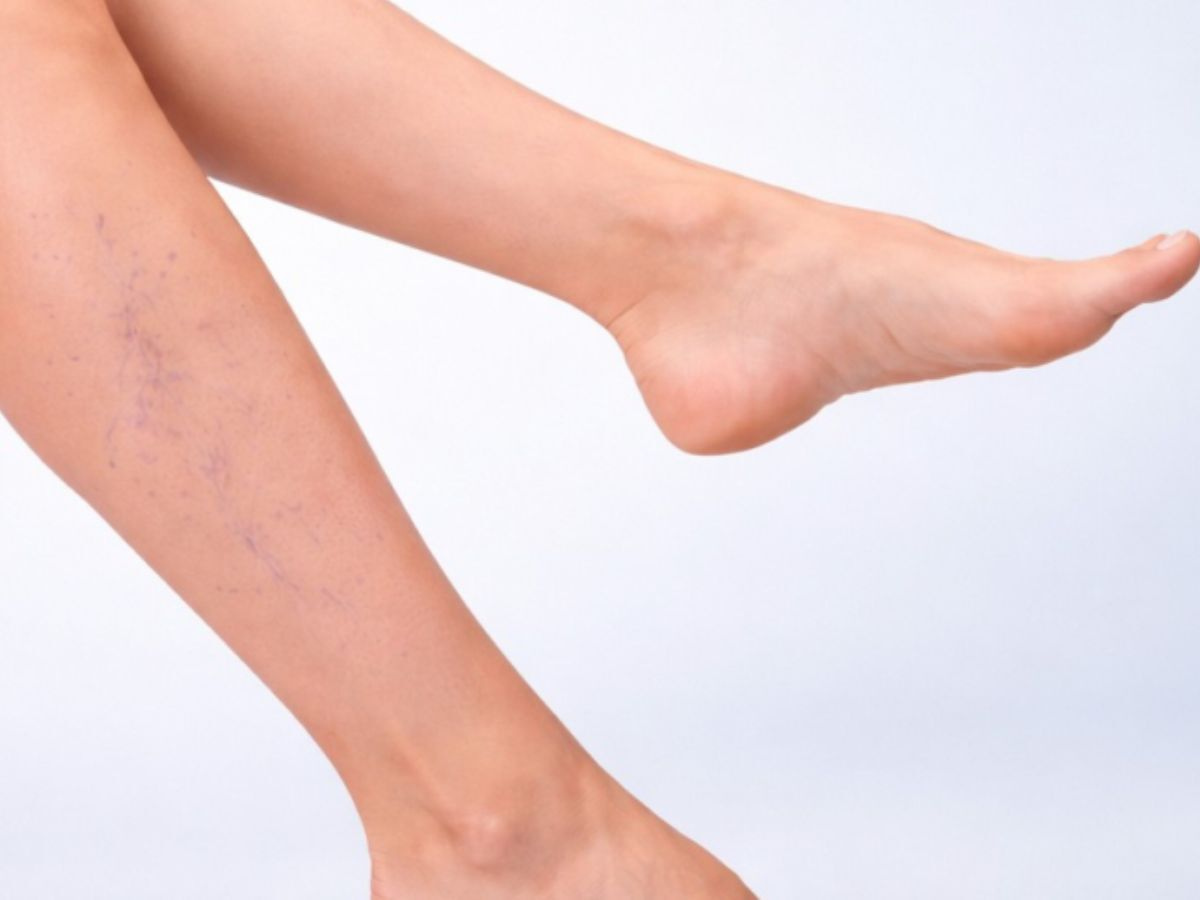
Not every vein concern starts with a dramatic symptom. For many people, changes such as occasional leg heaviness, swelling, or visible veins appear gradually and become easy to overlook.
At Sheen Vein (Aesthetics and Functional Medicine), comprehensive vein evaluations help identify whether these symptoms are related to an underlying vein condition or another issue affecting your circulation. Understanding the cause is an important step in determining whether treatment may be appropriate for your individual needs.
If you're searching for vein specialists near me, recognizing these warning signs can help you decide when it's time to seek professional care. Early evaluation may provide answers before symptoms begin interfering with your daily activities or become more difficult to manage.
What Does a Vein Specialist Do?
A vein specialist focuses on diagnosing and treating conditions that affect the veins, particularly those in the legs.
Rather than treating only the visible veins, a specialist looks for the underlying cause of your symptoms. This often involves evaluating how well blood flows through your veins and determining whether vein valves are functioning properly.
Common conditions that may be evaluated include:
- Varicose veins
- Spider veins
- Chronic venous insufficiency
- Venous reflux
- Leg swelling related to vein disease
- Skin changes associated with poor circulation
When appropriate, diagnostic tools such as duplex ultrasound can provide additional information about blood flow and help guide treatment recommendations.
Why Early Evaluation Matters
Many people postpone seeking care because their symptoms seem minor at first.
However, vein conditions can progress over time. Addressing symptoms early may help identify underlying issues before they lead to increased discomfort or more advanced vein disease.
An evaluation can also help determine whether your symptoms are related to your veins or another medical condition, allowing you to better understand the next steps for your care.
1. Persistent Leg Pain or Aching
Occasional leg discomfort can happen after a long day, but pain that returns regularly or continues without a clear cause deserves attention.
Vein-related discomfort may:
- Worsen after standing for long periods
- Improve when your legs are elevated
- Feel heavy, tired, or achy
- Affect one or both legs
If these symptoms continue, a vein evaluation may help identify the underlying cause.
2. Swelling Around the Ankles or Lower Legs
Swelling that becomes more noticeable later in the day may be associated with circulation problems.
Although swelling has many possible causes, persistent or recurring swelling should not be ignored.
A comprehensive evaluation can help determine whether your veins are contributing to the problem.
3. Visible Varicose or Spider Veins
Visible veins are often the first sign people notice.
While some are primarily cosmetic, others may be associated with symptoms such as:
- Aching
- Burning
- Itching
- Heaviness
- Swelling
An examination helps determine whether the visible veins are connected to an underlying vein condition.
4. Legs That Feel Heavy or Tired
If your legs frequently feel heavy, tired, or fatigued after standing or sitting for long periods, your veins may not be circulating blood as efficiently as they should.
This sensation may become more noticeable:
- At the end of the day
- After long periods of standing
- During warm weather
- After extended travel
Although occasional fatigue is common, persistent heaviness that affects your daily routine is worth discussing with a healthcare provider.
5. Skin Changes Around the Lower Legs
Changes in your skin can sometimes indicate that vein disease has progressed.
Watch for signs such as:
- Darkening or discoloration of the skin
- Dry or irritated patches
- Thickened skin
- Areas that heal more slowly than expected
These changes should be evaluated promptly to determine whether they are related to an underlying vein condition or another medical concern.
6. Itching, Burning, or Throbbing Near Visible Veins
Visible veins do not always cause discomfort, but some people experience symptoms around the affected areas.
These may include:
- Itching
- Burning sensations
- Throbbing
- Tenderness
- Mild discomfort after standing
While these symptoms can have different causes, an evaluation can help determine whether your veins are contributing to the problem.
7. Slow-Healing Sores or Ulcers
Open sores or wounds near the ankles or lower legs that heal slowly should never be ignored.
Poor circulation caused by advanced vein disease may contribute to delayed healing in some individuals. A prompt evaluation can help identify the underlying cause and determine whether specialized care is needed.
If you notice persistent sores or significant skin changes, seek medical attention as soon as possible.

What Happens During a Vein Evaluation?
Knowing what to expect during your appointment can help you feel more comfortable before your visit.
A comprehensive evaluation typically includes:
Discussion of Your Symptoms
Your provider will ask about:
- When your symptoms began
- Activities that make them better or worse
- Your medical history
- Family history of vein conditions
- Previous treatments
Physical Examination
A physical examination helps assess visible vein changes and identify areas that may require further evaluation.
Duplex Ultrasound
When appropriate, duplex ultrasound imaging may be recommended to evaluate blood flow and identify problems such as venous reflux or damaged vein valves.
The results help determine whether your symptoms are related to vein disease and guide treatment recommendations.
Treatment Options May Vary
Not everyone with vein symptoms requires the same treatment.
Depending on your evaluation, recommendations may include:
- Lifestyle modifications
- Compression therapy
- Sclerotherapy
- Endovenous laser treatment (EVLT)
- Radiofrequency ablation (RFA)
- Ambulatory phlebectomy
The most appropriate treatment depends on your diagnosis, symptoms, and overall vein health.
How Vein Care Is Changing in 2026
Advances in vein care continue to improve how providers diagnose and manage vein conditions.
Several trends are shaping patient care.
Greater Focus on Earlier Diagnosis
More people are seeking evaluations when symptoms first appear, allowing providers to identify vein conditions before they progress.
Personalized Care Plans
Treatment recommendations continue to become more individualized, taking into account diagnostic findings, symptoms, lifestyle, and long-term health goals.
Increased Use of Diagnostic Imaging
Duplex ultrasound remains an important tool for evaluating blood flow and identifying underlying vein conditions that may not be visible during a physical examination.
Improved Patient Education
Helping patients understand their diagnosis, treatment options, and recovery expectations allows them to make informed decisions about their care.
Why Choose Sheen Vein (Aesthetics and Functional Medicine)?
Recognizing the warning signs of vein disease is only the first step. Understanding what is causing your symptoms requires a thorough evaluation and a treatment plan tailored to your individual needs.
Comprehensive assessments help determine whether symptoms such as leg pain, swelling, heaviness, or visible veins are related to an underlying vein condition. Recommendations are based on diagnostic findings and your overall vein health rather than a one-size-fits-all approach.
Serving Green Park, South County, Affton, Mehlville, Oakville, and the greater St. Louis area, the practice provides comprehensive vein evaluations and minimally invasive treatment options from its office at 11144 Tesson Ferry Rd #100, St. Louis, MO 63123.
Frequently Asked Questions
When should you see a vein specialist?
You should consider scheduling an evaluation if you experience persistent leg pain, swelling, heaviness, visible varicose or spider veins, skin changes, or slow-healing sores. An assessment can help determine whether your symptoms are related to an underlying vein condition.
What conditions does a vein specialist treat?
A vein specialist evaluates and treats a variety of vein conditions, including:
- Varicose veins
- Spider veins
- Chronic venous insufficiency
- Venous reflux
- Leg swelling associated with vein disease
- Certain skin changes related to poor circulation
Treatment recommendations depend on your diagnosis and individual symptoms.
Do all visible veins require treatment?
Not always. Some visible veins are primarily cosmetic, while others may indicate an underlying vein condition. A comprehensive evaluation can help determine whether treatment is appropriate.
What happens during the first appointment?
Your first visit typically includes a discussion of your symptoms and medical history, a physical examination, and, when appropriate, diagnostic testing such as duplex ultrasound. This information helps determine the cause of your symptoms and guides treatment recommendations.
Can vein disease get worse over time?
Some vein conditions may progress if left untreated. Early evaluation can help identify potential concerns and determine whether monitoring, lifestyle changes, or treatment may be appropriate for your situation.
Do I need a referral to see a vein specialist?
Referral requirements vary depending on your insurance plan. Contact your insurance provider or the clinic directly to confirm whether a referral is necessary before scheduling an appointment.
Don't Ignore the Warning Signs
Recognizing the early signs of a vein condition can help you seek care before symptoms begin affecting your comfort and daily activities. Whether you're experiencing persistent leg pain, swelling, heaviness, or visible veins, a comprehensive evaluation can help identify the cause and determine the most appropriate next steps.
If you've been searching for a vein doctor near me, choosing a provider who offers thorough evaluations and personalized treatment recommendations can help you better understand your vein health and the care options available.
Taking action when symptoms first appear allows you to make informed decisions and address concerns before they potentially become more advanced.
Sheen Vein (Aesthetics and Functional Medicine)
11144 Tesson Ferry Rd #100, St. Louis, MO 63123
sheenveinandcosmetics.com
Concerned About Your Symptoms?
- Book an Appointment – Schedule a consultation to discuss your symptoms, receive a comprehensive vein evaluation, and learn whether treatment may be appropriate based on your individual condition.
- Contact Now – Reach out today to ask questions about vein symptoms, available treatment options, insurance coverage, and what to expect during your evaluation before scheduling your appointment.