Eczema & Psoriasis in St. Louis: Understanding Skin Inflammation, Immune Imbalance, and Why These Conditions Flare
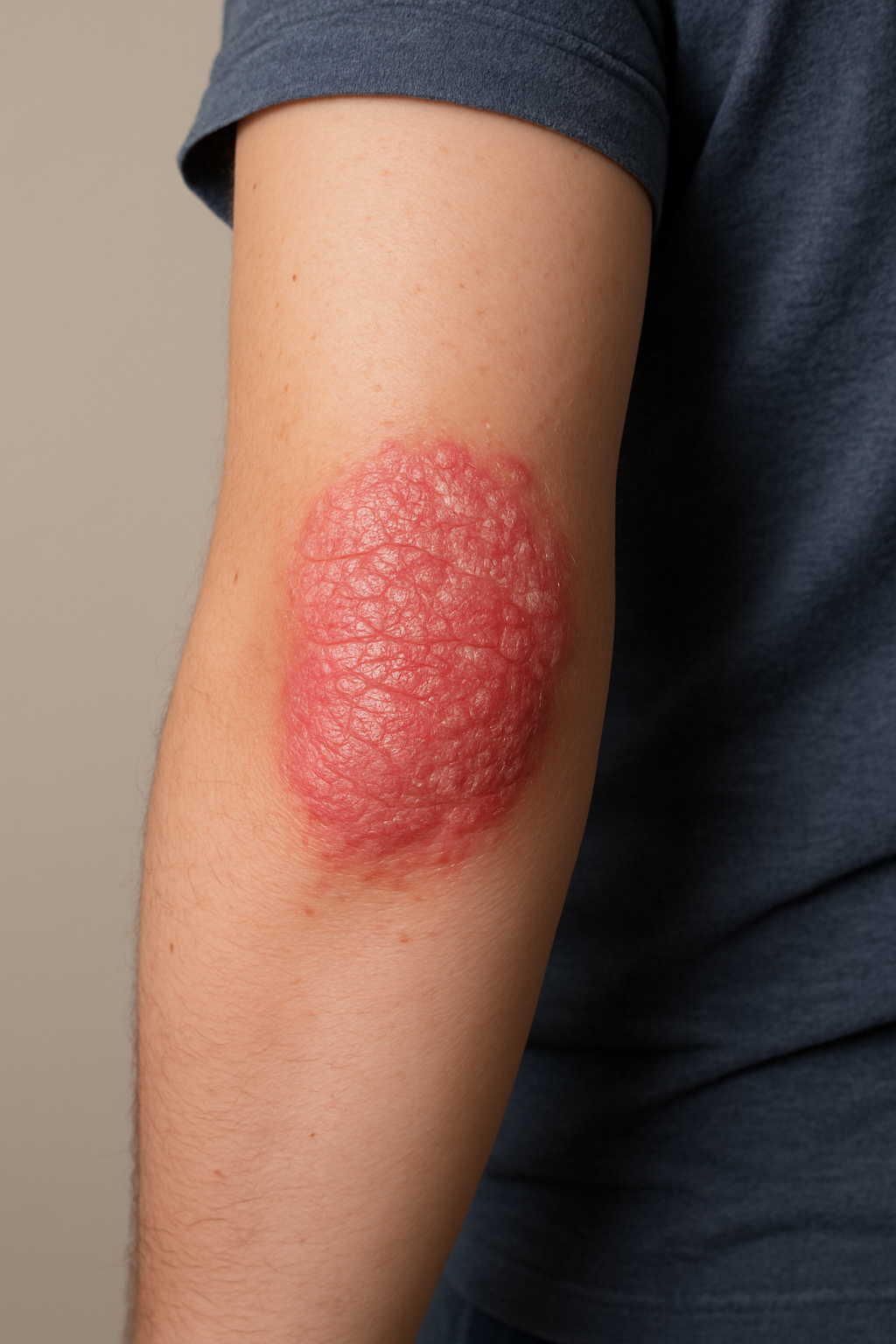
Introduction: When Your Skin Becomes a Daily Struggle
Patients with eczema or psoriasis often feel frustrated, embarrassed, and exhausted. These conditions aren’t just cosmetic—they affect sleep, mood, comfort, and quality of life.
The most common complaint we hear in the clinic:
“It comes and goes… and I can never figure out why.”
Eczema and psoriasis both stem from immune and inflammatory dysregulation, but each condition has its own distinct physiology.
This blog explains the science behind these conditions, why flares happen, and what clinicians look for when evaluating chronic skin inflammation.
Internal link prompt:
Learn more about inflammation and skin health at Sheen Vein Aesthetics & Functional Medicine.
Section 1: Eczema vs. Psoriasis — What’s the Difference?
Eczema (Atopic Dermatitis)
A chronic inflammatory skin condition involving a weakened skin barrier.
Common Features:
- Itching
- Redness
- Dry patches
- Oozing or crusting during flares
- Sensitivity to triggers
Psoriasis
An autoimmune condition where the immune system accelerates skin cell turnover.
Common Features:
- Thickened plaques
- Silvery scales
- Well-defined borders
- Burning or soreness
Section 2: What Causes Eczema?
Eczema develops from a combination of:
1. Genetic Skin Barrier Dysfunction
The skin loses water easily and becomes prone to irritation.
2. Immune Overactivity
The immune system overreacts to triggers.
3. Environmental Factors
Cold weather, harsh soaps, and irritants worsen symptoms.
4. Allergic Tendency
Patients often have a history of asthma or seasonal allergies.
5. Stress
Stress hormones weaken skin barrier function.
Section 3: What Causes Psoriasis?
Psoriasis is rooted in autoimmunity.
Immune Cells Trigger Rapid Skin Growth
Skin cells that normally take 30 days to mature now take 3–5 days.
Genetics Matter
Certain genetic variants increase susceptibility.
Triggers Include:
- Stress
- Illness
- Skin injury
- Weather changes
- Inflammation
Section 4: The Role of the Immune System in Both Conditions
Both eczema and psoriasis involve immune overactivation, but in different directions:
- Eczema = Barrier dysfunction + hypersensitivity
- Psoriasis = Autoimmune overactivity + inflammation
Understanding immunity helps explain why these conditions flare unpredictably.
Section 5: Why Flares Happen
Common Triggers:
- Stress
- Fragrance or chemicals
- Cold or dry air
- Infections
- Hormonal changes
- Food sensitivities
- High inflammatory load
Flares are rarely random—there is always a root-cause pattern.
Section 6: The Mind-Skin Connection
Stress increases inflammation and weakens the skin barrier.
Patients often tell us:
“Every time I’m stressed, my skin explodes.”
This is not imagined—it’s physiology.
Section 7: The Gut-Skin Axis
Gut dysfunction contributes to systemic inflammation.
Imbalances in the microbiome can influence:
- Immune activation
- Histamine levels
- Skin inflammation
- Psoriasis flares
Section 8: A Clinical Evaluation for Chronic Skin Conditions
We evaluate:
- Skin barrier patterns
- Immune system behavior
- Inflammation markers
- Stress and cortisol
- Gut symptoms
- Hormonal shifts
- Nutritional status
Understanding the body as a whole gives insight into skin flares.
Internal link prompt:
Schedule a skin inflammation evaluation at Sheen Vein Aesthetics & Functional Medicine.
Conclusion
Eczema and psoriasis aren’t random—they are connected to deeper patterns in the immune system, gut, stress, and environment.
Patients deserve to understand why their skin behaves the way it does.
Internal link prompt:
Learn more about integrative skin health in our St. Louis clinic.