Inflammation in St. Louis: How Chronic Inflammation Damages the Brain, Heart, Gut, Skin, Hormones & Metabolism
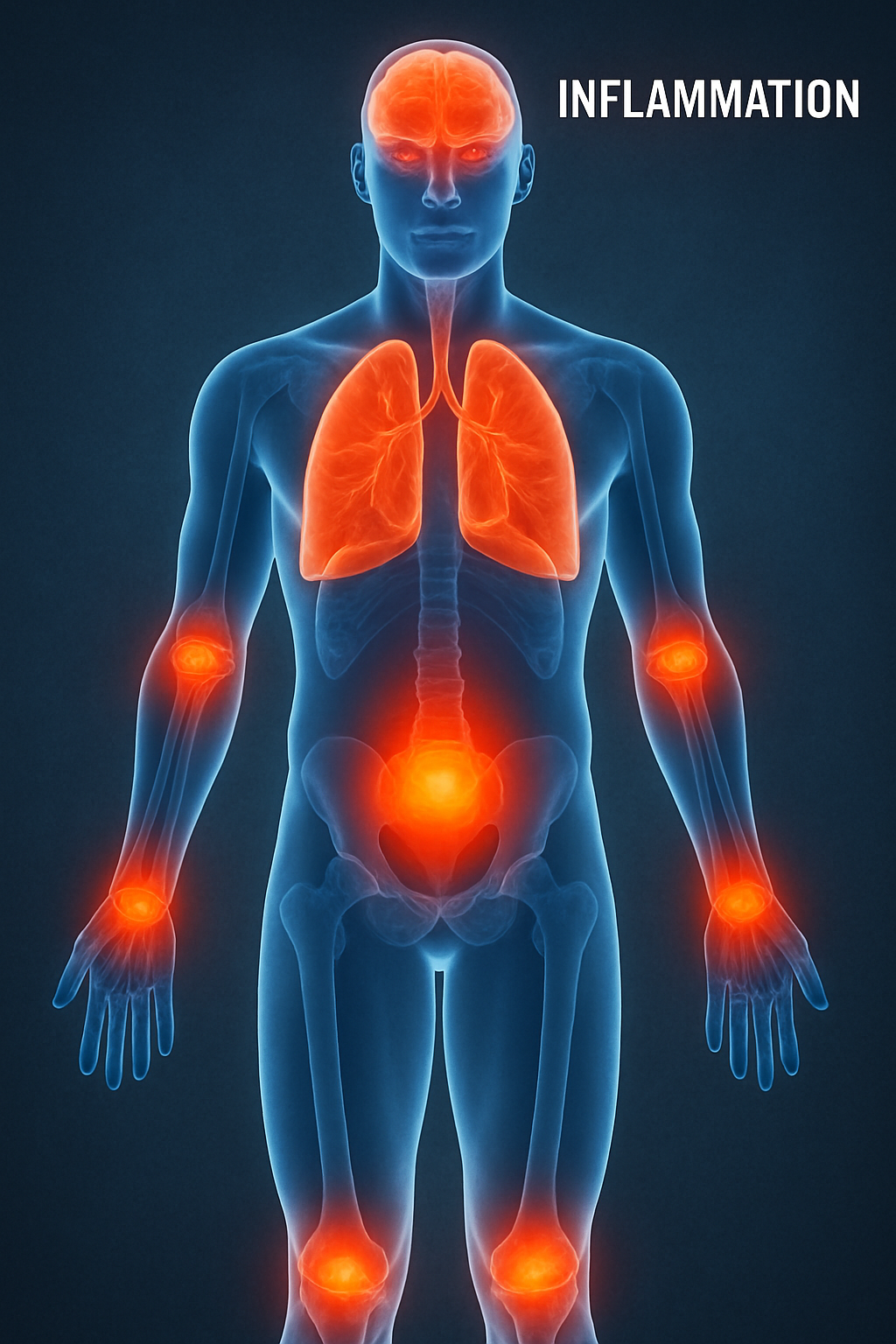
Introduction: Inflammation Isn’t Always Bad — Until It Never Turns Off
Inflammation is one of the most misunderstood processes in the body.
Short-term inflammation is healing. Chronic inflammation is harmful.
When inflammation becomes persistent, it affects nearly every organ and accelerates aging. In functional medicine, we view chronic inflammation as a silent disruptor — one that patients may not feel until symptoms become overwhelming.
This blog explains the science of inflammation, why it develops, and how it impacts major systems in the body.
Internal link prompt:
Learn more about our whole-body functional wellness approach here.
Section 1: What Is Inflammation, Physiologically?
Inflammation is the body’s response to threats — infection, injury, toxins, or stress. It involves:
- Immune activation
- Cytokine release
- Blood flow changes
- Tissue signaling pathways
Acute inflammation is essential. Chronic inflammation is destructive.
Section 2: Signs You May Have Chronic Inflammation
Many patients don’t recognize chronic inflammation because its symptoms are so varied:
- Fatigue
- Brain fog
- Digestive issues
- Body aches
- Weight changes
- Skin redness or rashes
- Sleep disturbances
- Hormonal irregularities
- Cardiovascular concerns
Section 3: Common Causes of Chronic Inflammation
- Stress
- Poor sleep
- Infections
- Environmental exposures
- Gut dysbiosis
- Insulin resistance
- Obesity
- Chronic injury
- Hormonal imbalance
- Autoimmune activity
Section 4: How Inflammation Affects the Body
1. Brain
Chronic inflammation slows cognitive processing, affects mood, and reduces mental clarity.
2. Heart and Vascular System
Inflammation affects endothelial function and contributes to vascular aging.
3. Gut
Inflammation disrupts the microbiome, increases intestinal permeability, and increases digestive symptoms.
4. Skin
Inflammation accelerates collagen loss, redness, sensitivity, and aging.
5. Hormones
Inflammation interferes with thyroid, adrenal, and reproductive hormones.
6. Metabolism
Inflammation decreases insulin sensitivity and affects weight.
7. Immune System
Chronic activation eventually leads to immune exhaustion.
Section 5: The Link Between Stress and Inflammation
Stress hormones like cortisol alter immune signaling, slow healing, and increase inflammatory pathways.
Section 6: The Role of Gut Health in Inflammation
70% of the immune system lies in the gut.
Dysbiosis → leaky gut → chronic inflammation.
Section 7: A Clinical Approach to Evaluating Inflammation
Even without discussing treatment, we evaluate:
- Lifestyle factors
- Stress load
- Sleep
- Diet
- Hormonal health
- Gut symptoms
- Immune reactions
- Medical history
This gives a comprehensive view of inflammatory burden.
Internal link prompt:
Schedule a functional medicine evaluation at our St. Louis clinic.
Conclusion
Chronic inflammation silently affects nearly every system in the body. Understanding it — and identifying its sources — empowers patients to take meaningful steps toward healthier aging and improved well-being.
Internal link prompt:
Learn more about inflammation and functional health at Sheen Vein Aesthetics & Functional Medicine.