Finding a Vein Specialist in St. Louis: What to Look For
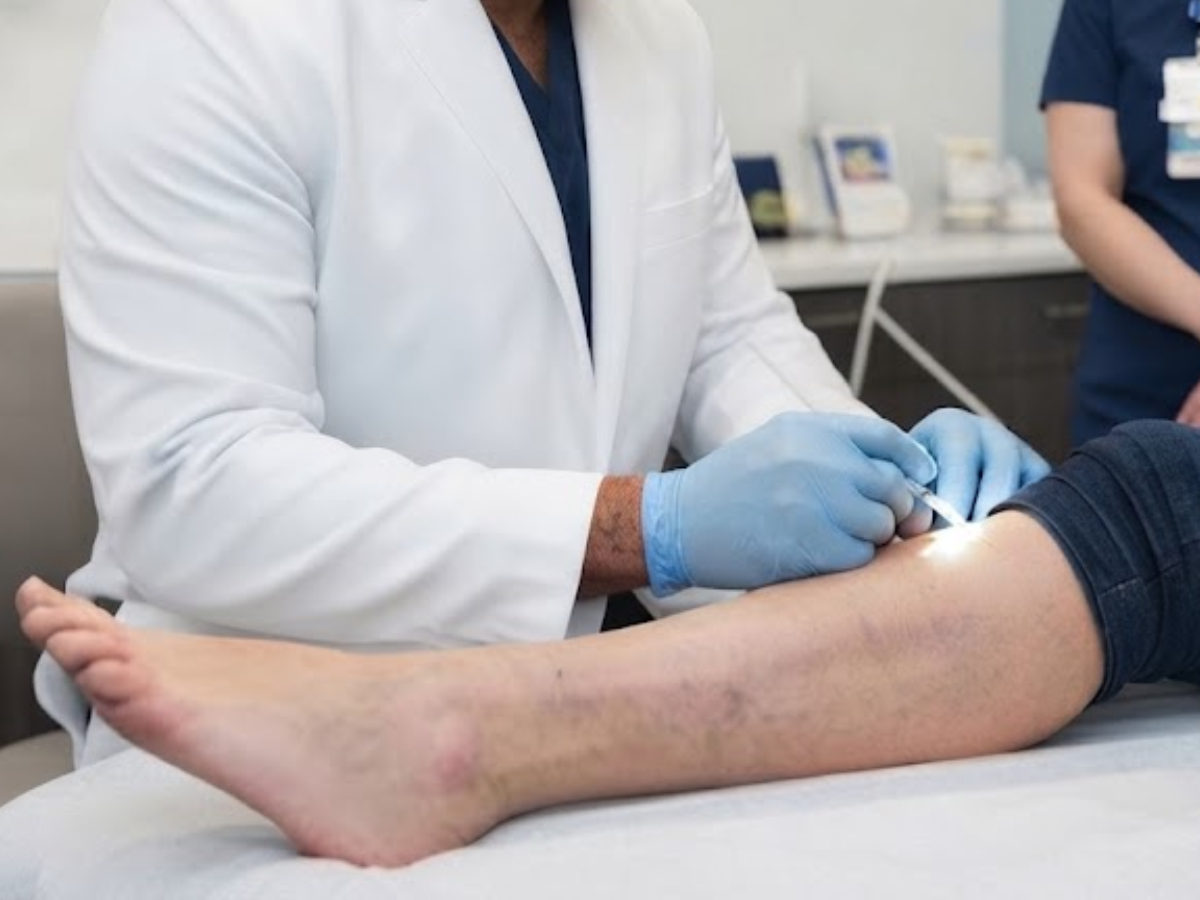
Finding the right vein specialist St Louis patients can trust involves more than choosing the closest clinic or searching for a provider with the most treatment options. If you are experiencing leg swelling, aching, heaviness, visible veins, or other symptoms, the right specialist should be able to evaluate the underlying cause of your concerns and explain which treatment options may be appropriate.
At Sheen Vein (Aesthetics and Functional Medicine), patients can receive evaluation and treatment for a range of vein-related concerns, including conditions associated with venous reflux. The practice offers minimally invasive vein treatments and uses diagnostic evaluation, including ultrasound when appropriate, to help assess the veins involved.
Choosing a vein specialist is an important decision. Several factors can help you determine whether a provider is equipped to evaluate your specific vein concerns.
What Does a Vein Specialist Do?
A vein specialist evaluates conditions affecting the veins and helps determine whether symptoms may be related to an underlying venous problem.
Vein concerns can range from small spider veins to larger varicose veins and conditions associated with abnormal blood flow. Depending on the condition, an evaluation may include a medical history, symptom review, physical examination, and ultrasound imaging.
A specialist may evaluate symptoms such as:
- Leg aching or discomfort
- Heaviness or fatigue in the legs
- Swelling around the ankles or lower legs
- Bulging or twisted veins
- Burning or itching
- Skin changes near the ankles or lower legs
- Symptoms that become worse after prolonged standing
- Visible spider veins or enlarged veins
The goal is not simply to evaluate visible veins. A thorough evaluation can help determine whether an underlying circulation issue may be contributing to your symptoms.
Why Should You See a Vein Specialist for Vein Concerns?
Visible veins are not always only a cosmetic concern. Depending on the individual, they may occur alongside symptoms such as aching, heaviness, swelling, itching, or discomfort.
One possible underlying issue is venous reflux. This occurs when valves inside the veins do not function properly, allowing blood to flow backward and collect in the legs.
Over time, abnormal blood flow can contribute to increased pressure within the veins.
If vein-related symptoms persist or interfere with daily activities, a professional evaluation can help determine whether an underlying venous condition may be contributing to them.
A vein specialist can assess your symptoms and determine whether further testing or treatment may be appropriate.
What Should You Look for in a Vein Specialist?
Not every provider approaches vein concerns in exactly the same way. When comparing specialists in the St. Louis area, consider several factors that can help you choose a provider suited to your needs.
1. Relevant Medical Credentials and Training
A provider's medical education, credentials, and experience with venous conditions are important considerations when choosing someone to evaluate your veins.
Look for a physician with training relevant to vein care who can explain their qualifications and approach to evaluation and treatment.
Dr. Vidal Sheen's professional background includes training and experience in phlebology, the medical specialty focused on conditions affecting the veins. His RVT and RPVI credentials are also relevant to vascular evaluation and the assessment of blood flow and vascular conditions.
When reviewing a provider's credentials, consider not only the titles listed after their name but also whether their education and experience align with the type of vein concerns you want evaluated.
2. Experience With Venous Conditions
Experience matters because vein concerns can involve different types of veins, symptoms, and underlying causes.
A provider who regularly evaluates venous conditions should be familiar with issues such as:
- Varicose veins
- Venous reflux
- Spider veins
- Leg swelling
- Venous insufficiency
- Symptoms associated with abnormal venous blood flow
This experience can help a specialist determine whether a visible vein represents an isolated cosmetic concern or may be connected to a broader venous condition.
3. Comprehensive Vein Evaluation
A good vein consultation should involve more than looking at the veins that are visible on the surface of your skin.
Depending on your symptoms and medical history, your provider may recommend ultrasound imaging to evaluate blood flow and examine the veins beneath the skin.
Ultrasound can help identify:
- The veins involved
- The direction of blood flow
- Areas of venous reflux
- The extent of the venous problem
- Whether a particular treatment may be appropriate
This type of evaluation can be especially important when symptoms such as swelling, heaviness, or aching are present.
A comprehensive evaluation can help your provider understand your symptoms and identify findings that may influence the treatment plan.
4. A Range of Treatment Options
A vein specialist should not approach every patient as though the same procedure is appropriate for everyone.
The right treatment depends on factors such as the veins involved, the underlying condition, ultrasound findings, symptoms, and individual circumstances.
Depending on the condition, treatment options may include:
- Endovenous laser treatment
- Ultrasound-guided foam sclerotherapy
- Visual sclerotherapy
- Compression and monitoring
- Other minimally invasive approaches when appropriate
Having multiple treatment approaches available can allow a provider to consider different options rather than assuming that one procedure is appropriate for every patient.
What Is the Difference Between a Vein Specialist and a General Doctor?
Your primary care physician can be an important starting point when you have concerns about your legs or circulation. However, a provider with specific training and experience in vein conditions may be able to provide a more focused evaluation when symptoms appear to involve the veins.
For example, persistent leg swelling, aching, heaviness, or prominent veins may warrant a vein-focused evaluation to determine whether venous reflux or another vein-related issue could be contributing to your symptoms.
This does not mean every visible vein requires treatment.
Instead, specialized evaluation can help determine whether your symptoms are related to a venous condition and whether treatment is appropriate.
When Should You See a Vein Specialist?
You do not necessarily have to wait until your symptoms become severe before discussing them with a medical professional.
Consider scheduling a vein evaluation if you regularly experience:
- Persistent leg aching
- Heaviness or fatigue
- Swelling that becomes worse later in the day
- Bulging or twisted veins
- Burning or itching around visible veins
- Leg discomfort after prolonged standing
- Skin discoloration around the ankles
- Symptoms that interfere with work, exercise, or everyday activities
Visible veins without significant symptoms may also be worth discussing if you are concerned about their appearance or want to understand whether an underlying vein condition is present.
A professional evaluation can help distinguish between cosmetic concerns and symptoms that may require medical attention.
Why Ultrasound Matters in Vein Care
One of the most important things to consider when choosing a vein specialist is whether the provider can evaluate what is happening beneath the skin.
A visible vein does not necessarily identify the source of abnormal blood flow.
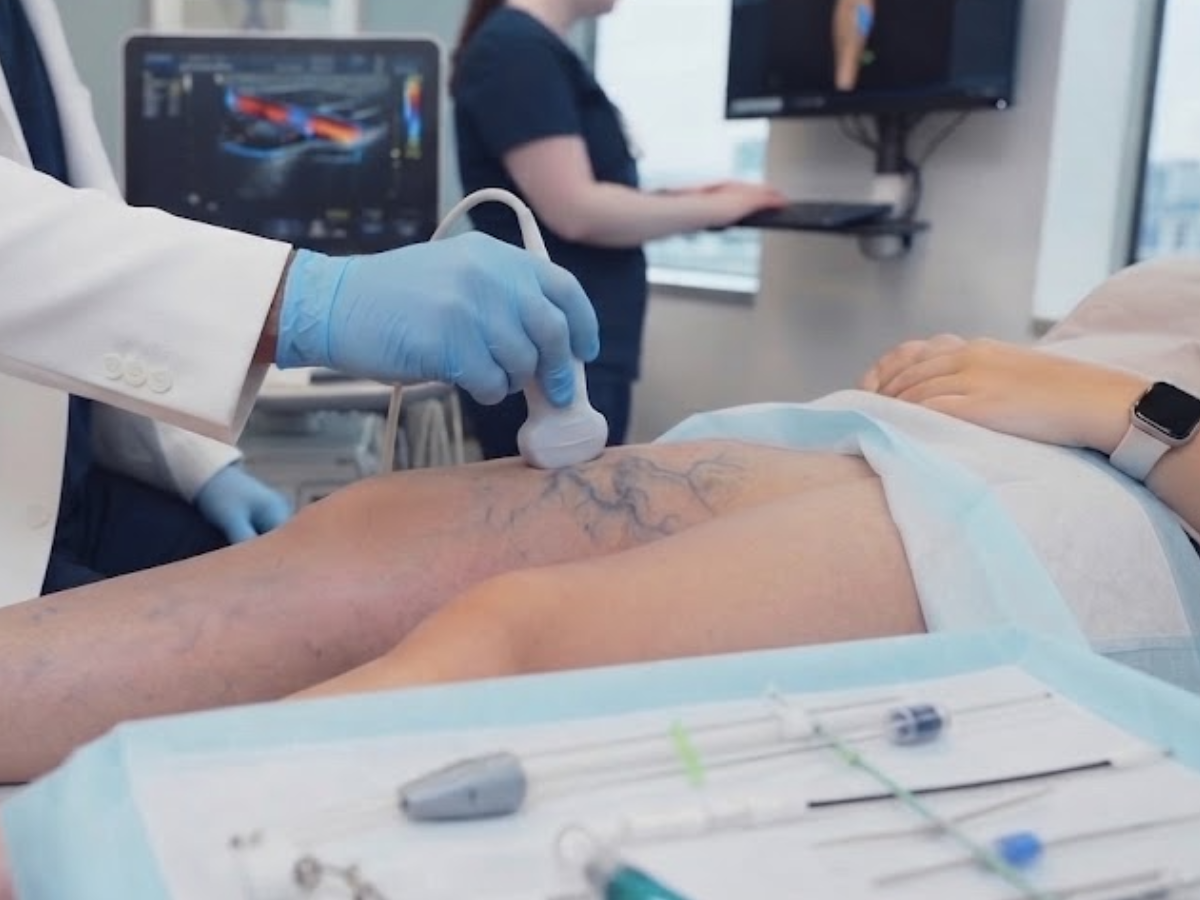
Ultrasound allows the provider to examine the veins and assess blood flow during the evaluation. This can help identify reflux and determine which veins may be contributing to symptoms.
For patients considering treatment, ultrasound findings can also help guide the treatment plan.
This type of evaluation provides information that cannot be determined from the appearance of visible veins alone and can help a provider decide whether treatment is appropriate.
Should You Choose a Specialist Based on Treatment Options Alone?
Having access to multiple treatment options can be helpful, but the number of procedures a clinic offers should not be the only factor you consider.
The more important question is whether the provider takes the time to understand your individual condition.
For example, two patients may both have visible enlarged veins but have different underlying vein problems. Their symptoms, ultrasound findings, vein anatomy, and treatment needs may therefore differ.
A personalized evaluation can help determine which approach makes sense for the individual patient.
The goal should be to understand the underlying problem before selecting a treatment.
What Treatments May Be Used for Varicose Veins?
Treatment depends on the specific vein condition and evaluation findings.
Endovenous Laser Treatment
Endovenous laser treatment, also known as EVLT, uses laser energy to close certain affected veins. Blood can then continue flowing through other functioning veins.
Ultrasound-Guided Foam Sclerotherapy
Ultrasound-guided foam sclerotherapy uses ultrasound imaging to guide treatment of targeted veins. A foam solution is injected into the affected vein, causing it to close so blood can reroute through healthier veins.
This approach may be considered for certain enlarged veins depending on their size, location, and characteristics.
Visual Sclerotherapy
Visual sclerotherapy involves injecting a solution into targeted surface veins. It may be used for certain visible veins, including spider veins.
Because surface veins may not always represent the underlying source of venous reflux, an appropriate evaluation can help determine whether visual sclerotherapy alone is suitable.
What Can You Expect During a Vein Consultation?
Your first appointment may involve a discussion of your symptoms, medical history, and concerns.
Depending on your situation, your provider may perform a physical examination and recommend ultrasound imaging.
You may be asked about:
- When your symptoms began
- Whether symptoms worsen after standing
- Whether swelling changes throughout the day
- Previous vein treatments
- Relevant medical history
- Changes in visible veins
- Any discomfort affecting your daily activities
The provider can then use the information gathered during the evaluation to discuss whether additional testing or treatment may be appropriate.
The consultation is also an opportunity for you to ask questions and understand your options before deciding whether to proceed with treatment.
Why Local Experience Can Matter
Choosing a local vein specialist may make it easier to attend consultations and recommended follow-up appointments.
Local care can be particularly useful when vein treatment involves multiple visits, follow-up imaging, or monitoring during recovery.
Located at 11144 Tesson Ferry Rd. #100, St. Louis, MO 63123, the practice provides a convenient location for patients in St. Louis and nearby communities seeking evaluation for vein concerns.
Having access to a vein clinic in St. Louis can also make it easier to discuss ongoing symptoms, evaluation findings, and treatment options with a medical professional.
Why Choose Sheen Vein (Aesthetics and Functional Medicine) for Vein Care in St. Louis?
Choosing a vein specialist is ultimately about finding a provider who can evaluate your concerns and explain your options clearly.
At Sheen Vein (Aesthetics and Functional Medicine), vein care includes evaluation and minimally invasive treatment options for conditions such as varicose veins. Dr. Vidal Sheen's professional credentials include Internal Medicine board certification, along with RVT and RPVI credentials.
The practice offers several vein-focused treatments, including endovenous laser treatment, ultrasound-guided foam sclerotherapy, and visual sclerotherapy.
Rather than assuming that every patient needs the same procedure, an appropriate evaluation can help determine which treatment options may fit your individual vein condition.
Frequently Asked Questions
What does a vein specialist treat?
A vein specialist evaluates and treats conditions affecting the veins, including varicose veins, spider veins, and problems associated with abnormal venous blood flow. Depending on the patient's symptoms and evaluation findings, treatment may involve monitoring, minimally invasive procedures, or other appropriate approaches.
How do I know if I need a vein specialist?
Persistent leg aching, heaviness, swelling, visible veins, burning, itching, or symptoms that worsen after standing may warrant a professional evaluation. A vein specialist can assess whether your symptoms may be related to venous reflux or another underlying condition.
What should I bring to a vein consultation?
Bring information about your symptoms, relevant medical history, previous vein treatments, current medications, and any questions you have about your concerns. If you have previous imaging or medical records related to your veins, those may also be useful.
Do all visible veins require treatment?
No. The need for treatment depends on factors such as symptoms, the underlying vein condition, ultrasound findings, and individual circumstances. Some patients may benefit from treatment, while others may be advised to monitor their condition or use conservative measures.
Can a vein specialist treat spider veins?
Some vein specialists treat spider veins as well as other visible vein conditions. The appropriate approach depends on the size, location, and characteristics of the veins. Surface treatments such as visual sclerotherapy may be considered for certain spider veins, while deeper venous problems may require a different evaluation or treatment.
Why is ultrasound used for vein evaluation?
Ultrasound can help a provider examine blood flow and identify abnormal flow or reflux in veins beneath the skin. This information can help determine which veins may be contributing to symptoms and whether a particular treatment may be appropriate.
Find a Vein Specialist in St. Louis
Choosing a vein specialist is an important step when vein-related symptoms are affecting your comfort or daily activities.
A proper evaluation can help identify whether an underlying venous condition may be contributing to your symptoms and whether treatment is appropriate. Rather than choosing a procedure based only on the appearance of visible veins, it is important to understand the condition affecting your veins and discuss your options with a qualified medical professional.
If you are in St. Louis or a nearby community and are experiencing leg swelling, heaviness, aching, visible veins, or other vein-related concerns, consider visiting Sheen Vein (Aesthetics and Functional Medicine), a vein clinic St Louis, to discuss your symptoms and treatment options with a qualified medical professional.
Sheen Vein (Aesthetics and Functional Medicine)
11144 Tesson Ferry Rd #100, St. Louis, MO 63123
sheenveinandcosmetics.com
Schedule a Vein Consultation in St. Louis
- Book an Appointment – Schedule a consultation to discuss your symptoms, evaluation options, and potential treatment approaches.
- Contact Now – Contact the office with questions about vein concerns, treatment options, or the consultation process.