Gut Dysbiosis and Your Health: How an Unhealthy Gut Microbiome Can Affect the Entire Body
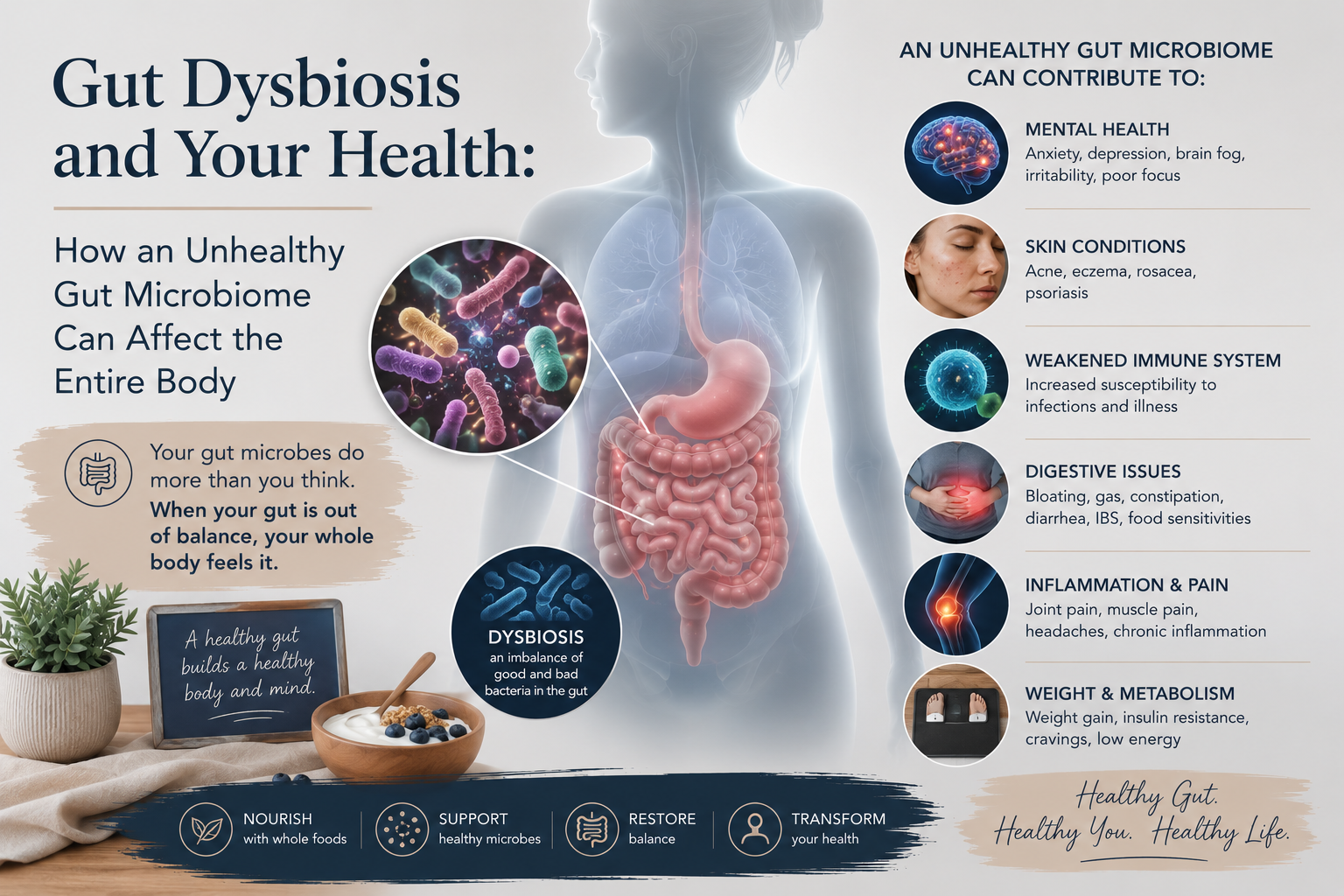
If you struggle with bloating, constipation, diarrhea, food sensitivities, fatigue, brain fog, skin issues, or even mood changes, the problem may not just be in your gut—it may be your gut microbiome. At Sheen Vein, Aesthetics & Functional Medicine, serving the greater St. Louis area, we often help patients uncover hidden gut imbalances that may be contributing to symptoms far beyond digestion.
Gut dysbiosis refers to an imbalance in the intestinal microbiome—the ecosystem of bacteria, fungi, viruses, and other microorganisms that live in your digestive tract. A healthy microbiome supports digestion, nutrient absorption, immune regulation, metabolism, hormone balance, and even brain health. When that ecosystem becomes disrupted, symptoms can begin to appear throughout the body.
According to Cleveland Clinic’s overview of gut health, the gut microbiome plays a critical role in overall health, not just digestion.
1. Digestive Symptoms: The Most Obvious Clue
The most direct effects of gut dysbiosis often involve digestive complaints, including:
- Bloating
- Gas
- Constipation
- Diarrhea
- Abdominal discomfort
- Reflux
- Food sensitivities
- IBS-like symptoms
An imbalance between beneficial and harmful microbes can alter fermentation patterns, intestinal motility, and digestive enzyme activity, leading to persistent GI symptoms that many people normalize for years.
2. Chronic Fatigue and Low Energy
Your gut helps extract nutrients from food, including iron, B vitamins, magnesium, and amino acids necessary for cellular energy production. Dysbiosis can impair nutrient absorption and increase inflammatory stress, both of which can contribute to fatigue.
Some harmful bacteria may also produce metabolites that worsen systemic inflammation or interfere with mitochondrial energy production.
Harvard Health on the gut microbiome and health discusses the broad systemic effects of gut microbial health.
3. Brain Fog, Anxiety, and Mood Changes
The gut and brain communicate constantly through what’s known as the gut-brain axis. The microbiome influences neurotransmitter production, inflammatory signaling, vagal nerve communication, and stress hormone regulation.
When dysbiosis is present, patients may notice:
- Brain fog
- Poor focus
- Anxiety
- Irritability
- Low mood
- Sleep disruption
In fact, a significant percentage of serotonin is produced within the gut environment.
Johns Hopkins Medicine on the gut-brain connection explains how digestive health and mental wellbeing are closely connected.
4. Immune Dysfunction and Inflammation
Approximately 70% of the immune system is associated with the gut. A disrupted intestinal barrier and abnormal microbiome signaling may contribute to immune overactivation or dysregulation.
This may present as:
- Frequent illness
- Autoimmune flares
- Chronic inflammation
- Histamine sensitivity
- Food reactivity
- Skin inflammation
According to NIH’s National Center for Complementary and Integrative Health on probiotics, gut microbes significantly influence immune health.
5. Weight Gain, Cravings, and Metabolic Dysfunction
An unhealthy microbiome may influence insulin sensitivity, inflammation, appetite hormones, and calorie extraction from food. Some bacterial patterns are associated with increased cravings for sugar and processed carbohydrates.
This can contribute to:
- Weight gain
- Difficulty losing weight
- Blood sugar instability
- Post-meal fatigue
- Increased triglycerides
6. Skin Problems and Hormonal Disruption
The gut can influence estrogen metabolism, detoxification pathways, inflammatory burden, and immune signaling—all of which can affect the skin and hormone balance.
Patients with dysbiosis may experience:
- Acne
- Rosacea
- Eczema
- Hormonal fluctuations
- PMS symptoms
- Low libido
Common Causes of Gut Dysbiosis
At our St. Louis functional medicine clinic, we commonly see gut imbalance linked to:
- Antibiotic overuse
- Chronic stress
- Poor diet
- High sugar intake
- Alcohol excess
- Proton pump inhibitor use
- Chronic infections
- Low stomach acid
- Food intolerances
- Sleep disruption
Functional Medicine Perspective: Looking for Root Causes
Traditional care may focus on suppressing digestive symptoms, but functional medicine asks why the imbalance developed in the first place.
Depending on symptoms, evaluation may include:
- Comprehensive stool testing
- Inflammatory markers
- Food sensitivity review
- Nutrient deficiency testing
- Hormone evaluation
- SIBO assessment
Learn more about our functional medicine services at Sheen Vein, Aesthetics & Functional Medicine.
Your gut does far more than digest food—it influences nearly every major system in the body. When the microbiome becomes disrupted, restoring balance can be an important step toward feeling better.