How Can You Ease Restless Leg Syndrome Symptoms Fast?
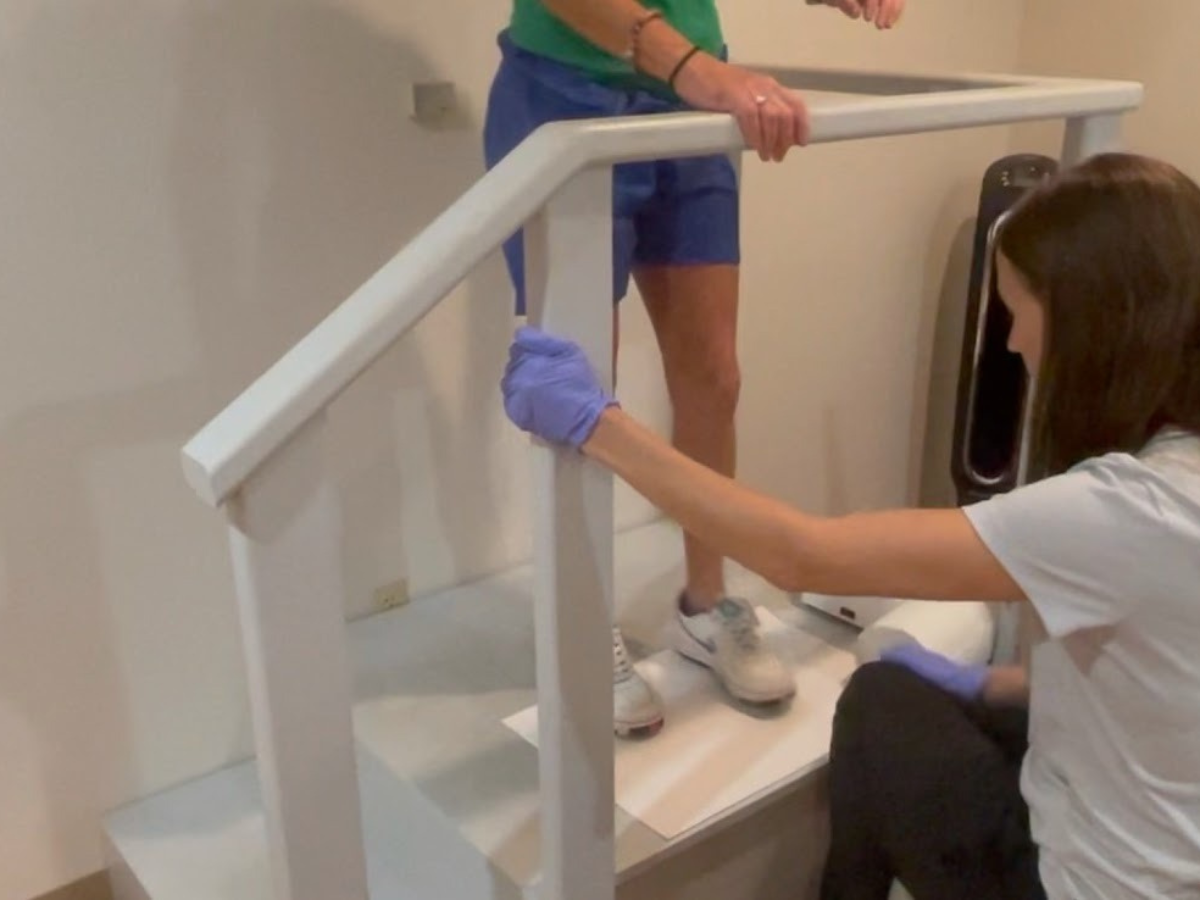
Restless leg syndrome can turn quiet nights into frustrating battles. If you’re dealing with tingling, pulling, or uncomfortable sensations in your legs, Sheen Vein (Aesthetics and Functional Medicine) can help. This guide explains what’s happening, why symptoms occur at night, and practical steps and home remedies that may bring real relief.
What Is Restless Leg Syndrome?
Restless leg syndrome, often called RLS, is a neurological condition that creates an uncontrollable urge to move the legs, especially when resting or trying to sleep. Symptoms often peak during the evening, which is why many people struggle the most at bedtime.
Although RLS isn’t life-threatening, the constant need to move can disrupt sleep, drain your energy, and interfere with daily activities. The condition affects millions of adults in the United States and is especially common among women and older adults.
For many people in St. Louis, Missouri, the symptoms become noticeable long before an official diagnosis. Early recognition makes it easier to take action and find relief sooner.
Common Symptoms of Restless Leg Syndrome
RLS can show up differently from person to person. Some describe a crawling sensation, while others feel pressure, tingling, or a deep ache in the legs.
Typical symptoms include:
- A strong urge to move the legs
- Sensations that begin or worsen during rest
- Temporary relief when moving or stretching
- Symptoms that intensify in the evening or at night
- Difficulty falling or staying asleep
Some individuals also experience periodic limb movements during sleep. These are small, repetitive leg jerks that happen without waking you up but still disrupt sleep quality.
What Causes Restless Leg Syndrome?
Research shows that RLS can develop from several different factors. Understanding the cause helps guide the right treatment plan.
Low Iron Levels and Dopamine Imbalance
A major cause identified in recent studies is low iron levels in the brain. When iron stores drop, the brain struggles to regulate dopamine, one of the chemicals that controls movement. A 2024 study found that ferritin levels below 50 µg/L are strongly linked to worsening RLS symptoms.
Poor Circulation or Vein Issues
Many people living with RLS also experience circulation problems. Venous insufficiency, where the leg veins struggle to move blood back to the heart, is known to aggravate nighttime leg discomfort.
This is where a specialized clinic can be especially helpful, as circulation health plays a major role in leg comfort.
Nerve-Related Conditions
Diabetes, neuropathy, and spinal issues may contribute to RLS symptoms. When the nerves aren’t working as they should, the legs may feel restless or irritated during rest.
Lifestyle Triggers
Certain habits can make symptoms more noticeable:
- Heavy caffeine use
- Long periods of sitting
- High stress
- Lack of physical activity
- Poor sleep habits
Understanding triggers allows you to create healthier routines that support night-long comfort.
Why Restless Leg Syndrome Gets Worse at Night
Many people wonder why RLS symptoms spike during the evening. The answer is linked to the body's natural rhythm.
Dopamine Levels Drop at Night
Your dopamine levels fall in the evening, which can intensify RLS sensations.
Resting Makes Symptoms More Noticeable
When the body slows down, you become more aware of discomfort.
Circulation Changes While Lying Down
Blood flow patterns shift when in bed, which can trigger or worsen the sensations.
Knowing what’s happening in the body helps you make smart choices that set the stage for better sleep.
Fast Relief for Restless Leg Syndrome at Night
Below are proven ways many people use to calm symptoms quickly, especially during bedtime routines.
1. Stretching and Light Movement
Gentle stretching can soothe tight muscles and reduce the urge to move.
Helpful ideas include:
- Calf stretches
- Hamstring stretches
- Ankle rotations
- Short walks before bed
These movements keep the legs relaxed and ready for rest.
2. Warm or Cool Compresses
Many people find comfort by applying heat or cold to the legs. A warm bath before bed may also calm the nervous system and reduce tension.
3. Massage and Myofascial Release
Simple massage techniques help stimulate circulation and relax tight areas. Some individuals prefer using a foam roller to release pressure in the thighs and calves.
Magnesium glycinate has gained strong attention for its calming effect on muscles. It may be especially helpful if your symptoms show up during stressful periods or after long workdays.
5. Iron Support (When Needed)
If bloodwork shows low iron or low ferritin, iron supplementation may help. Always consult a provider first to avoid taking more than your body needs.
6. Improve Sleep Habits
Good sleep hygiene helps the brain and body stay balanced.
Try focusing on:
- Dim lighting in the evening
- Reduced screen time before bed
- Consistent sleep schedule
- A cool, quiet bedroom
These simple steps may ease nighttime restlessness over time.
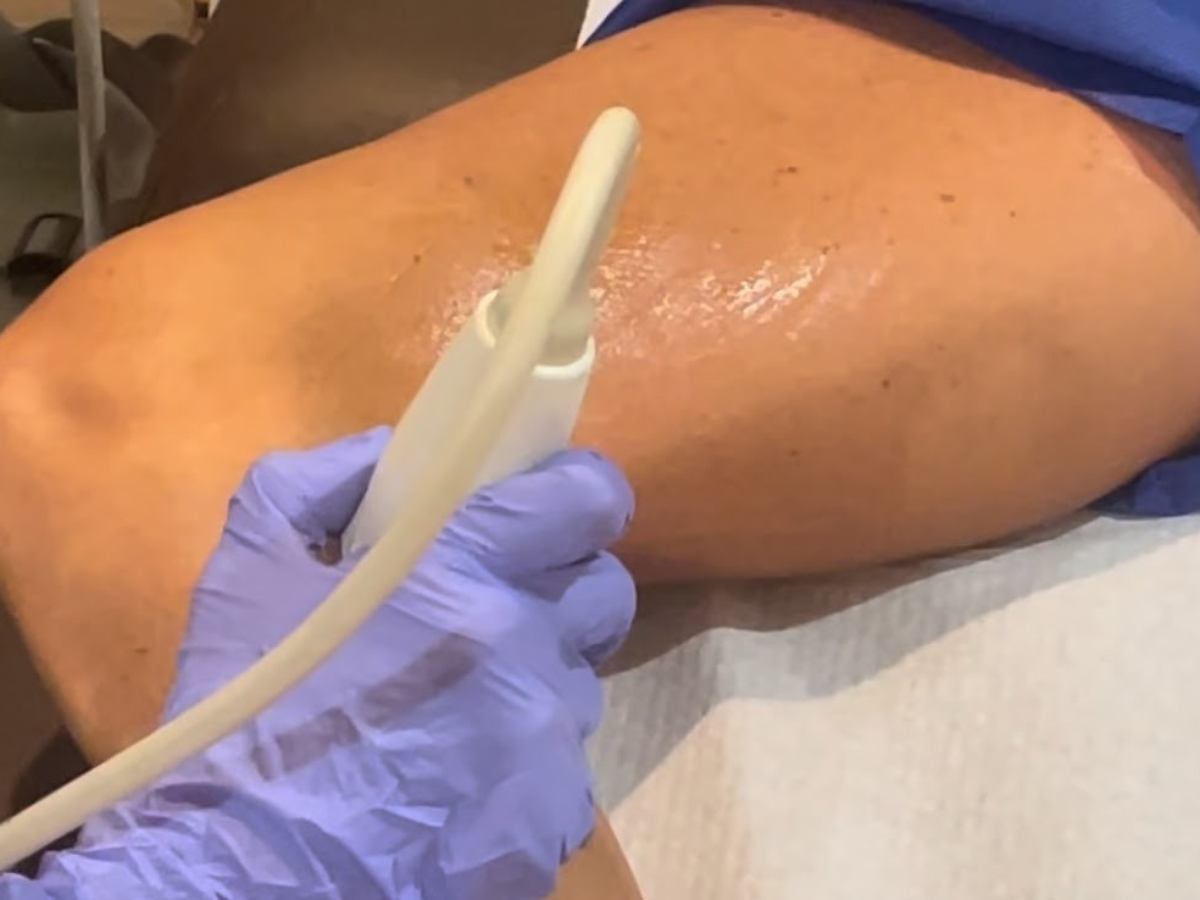
Restless Leg Syndrome Treatment Options
If symptoms continue or begin to affect daily life, professional support can make a notable difference.
Here’s what a typical treatment plan for restless leg syndrome may look like in St. Louis.
1. Vein and Circulation Evaluation
Because circulation issues can worsen RLS sensations, a full evaluation helps determine whether vein discomfort is part of the problem. Many patients report significant improvement after addressing vein-related conditions.
2. Functional Medicine Approach
RLS often responds well to a functional medicine strategy that looks at:
- Vitamin and mineral levels
- Hormone balance
- Inflammation
- Nerve function
A root-cause approach helps you reach relief more naturally and sustainably.
3. Personalized Treatment Plan
Your plan may include nutritional guidance, circulation therapy, supplementation, or other supportive care. The goal is to help your legs feel calm and comfortable again, without guesswork.
4. Medication Options (When Necessary)
Some individuals need medication to manage symptoms. This is typically considered when lifestyle changes and natural approaches provide partial relief. A provider helps evaluate the safest option for your situation.
A Patient’s Journey to Nighttime Relief
A local St. Louis patient had been battling restless leg syndrome for several years, with evenings being the most challenging. The constant tingling and urge to move the legs made falling asleep difficult, affecting daily energy and mood.
During a thorough evaluation, tests revealed mild venous insufficiency and low iron levels, both of which can contribute to restless leg symptoms.
A personalized treatment plan was created, combining targeted vein therapy, iron and nutrient support, and lifestyle adjustments. Within a few weeks, the patient noticed calmer nights, better sleep, and reduced leg discomfort.
When to Seek Professional Care
Consider meeting with a provider if:
- Symptoms occur at least three nights per week
- Sleep is consistently interrupted
- The urge to move becomes difficult to manage
- You suspect circulation problems
- Home remedies only provide short relief
Professional support helps prevent long-term sleep disruption and improves quality of life.
If you’re in or near St. Louis, MO, care is available at:
Sheen Vein (Aesthetics and Functional Medicine)
11144 Tesson Ferry Rd #100
St. Louis, MO 63123
FAQ: Restless Leg Syndrome
1. What triggers restless leg syndrome at night?
Common triggers include caffeine, stress, low iron, poor circulation, and long periods of sitting.
2. How can restless legs be calmed quickly?
Stretching, massage, warm compresses, or a brief walk often bring fast relief. Many people also find magnesium helpful.
3. Can restless leg syndrome go away?
Symptoms may improve with proper treatment, lifestyle changes, and attention to underlying causes.
4. Is restless leg syndrome a sign of something more serious?
Sometimes RLS is linked to iron deficiency, neuropathy, or circulation problems, so a medical evaluation can be helpful.
5. What vitamin helps restless legs the most?
Iron is commonly associated with RLS relief when ferritin levels are low. Magnesium may also support muscle relaxation.
6. Is RLS hereditary?
Yes, genetics can play a role, especially when symptoms begin at a younger age.
Take Steps Toward Peaceful Nights
Living with restless leg syndrome can be challenging, but relief is possible. Understanding your symptoms, building healthy routines, and visiting the best vein clinic near me in St. Louis can make your nights and days much more comfortable.
If restless nights have been affecting your life, consider reaching out to the team at Sheen Vein (Aesthetics and Functional Medicine) for a personalized evaluation and helpful treatment options.
You deserve calm, comfortable nights again.
Quick Actions for Fast Relief
- Book Appointment: Schedule a personalized consultation for restless leg syndrome relief.
- Contact Now: Reach out to Sheen Vein (Aesthetics and Functional Medicine) for expert guidance.