How to Choose the Best Vein Doctor Near You
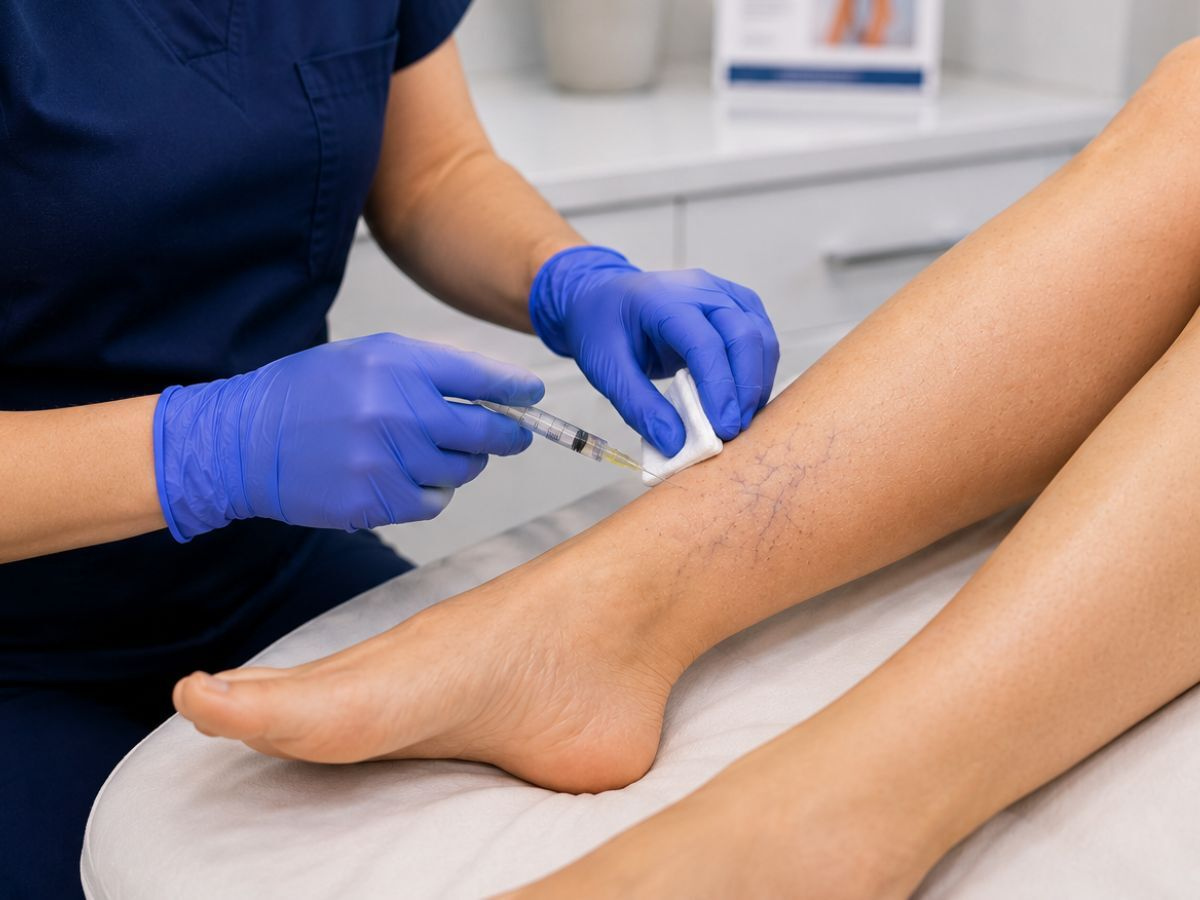
Choosing the right vein doctor near me can make a significant difference in both your comfort and long-term vein health. Whether you're dealing with aching legs, swelling, spider veins, or varicose veins, receiving care from a qualified specialist helps identify the underlying cause of your symptoms instead of simply treating what is visible on the surface.
At Sheen Vein (Aesthetics and Functional Medicine), Dr. Sheen provides comprehensive vein evaluations and personalized treatment plans for patients throughout Green Park, South County, and the greater St. Louis area. Knowing what to look for in a vein specialist can help you make an informed decision and feel confident about your care.
Why Choosing the Right Vein Doctor Matters
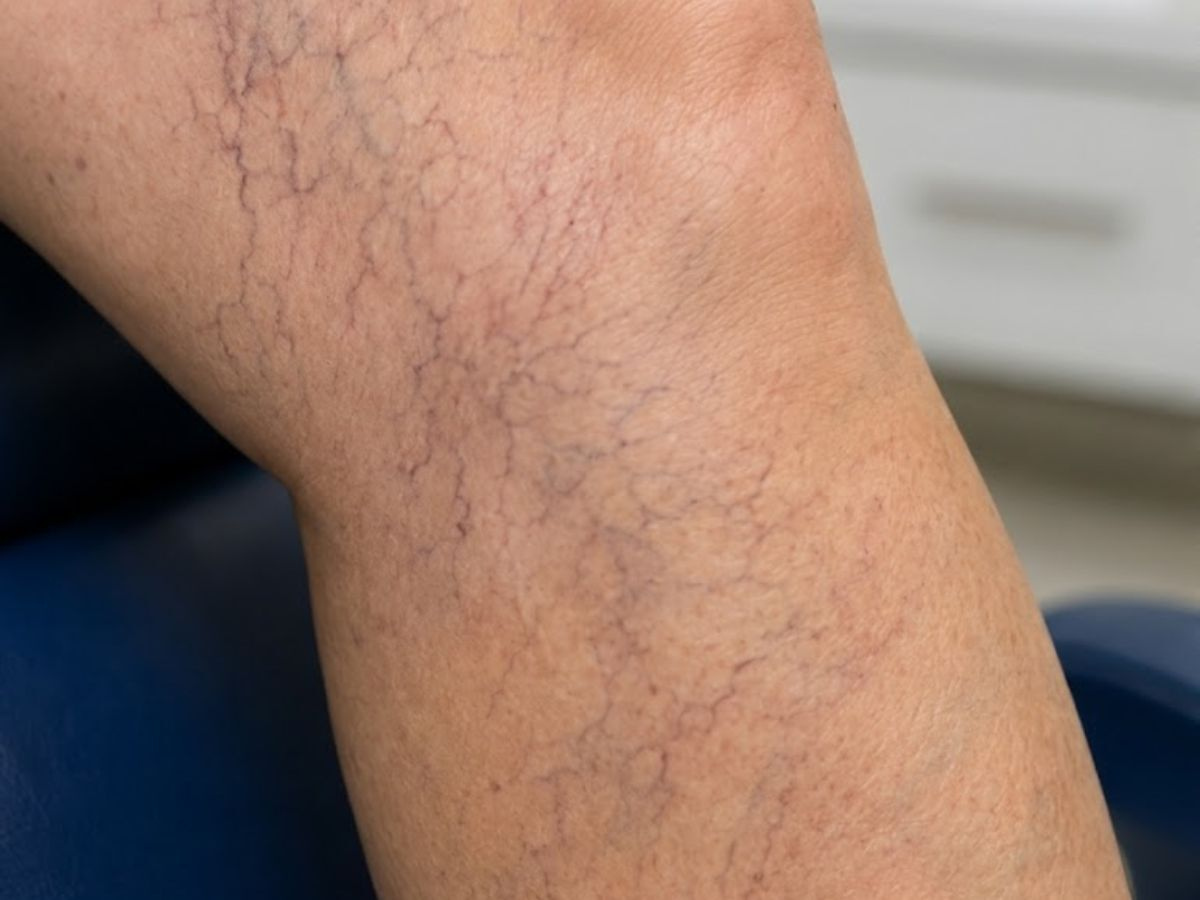
Many people assume varicose veins and spider veins are only cosmetic concerns. While appearance is often the first thing people notice, visible veins may also be a sign of an underlying condition affecting healthy blood circulation.
Common symptoms include:
- Aching or tired legs
- Swelling around the ankles
- Nighttime leg cramps
- A feeling of heaviness after standing
- Burning or throbbing sensations
- Itching around enlarged veins
- Skin discoloration near the ankles
These symptoms can gradually become more noticeable over time. Seeking an evaluation early allows your provider to identify potential vein disease before it progresses.
Choosing a physician who focuses on vein care means your symptoms are evaluated as part of your overall vascular health rather than being viewed as a cosmetic concern alone.
What Kind of Doctor Treats Vein Disease?
Not every physician specializes in diagnosing and treating vein disorders.
A qualified vein doctor has specialized knowledge of conditions affecting the veins and uses diagnostic tools to determine why symptoms are occurring. Rather than focusing only on visible veins, a specialist evaluates whether underlying issues such as venous reflux or chronic venous insufficiency may be contributing to your symptoms.
Many patients visit a vein clinic near me after experiencing discomfort, swelling, or visible vein changes that affect their daily routine.
A dedicated vein practice may evaluate and treat conditions such as:
- Varicose veins
- Spider veins
- Chronic venous insufficiency
- Venous reflux
- Leg swelling related to vein disease
- Skin changes caused by poor circulation
- Venous ulcers
Receiving care from a dedicated vein specialist allows your diagnosis, imaging, treatment planning, and follow-up care to be coordinated based on your specific condition.
Signs You Should Schedule a Vein Evaluation
Many people delay treatment because they believe leg discomfort is simply part of getting older or spending long hours on their feet.
However, persistent symptoms should not be ignored.
Consider scheduling a vein evaluation if you experience:
- Enlarged or twisted veins
- Persistent leg aching
- Swelling that becomes worse throughout the day
- Legs that feel unusually heavy
- Burning sensations
- Restless legs
- Skin discoloration near the ankles
- Slow-healing sores around the lower legs
While these symptoms do not always indicate serious vein disease, they deserve a professional evaluation to determine their cause. Early assessment can help identify underlying vein conditions and guide appropriate treatment before symptoms become more severe.
What to Look for When Choosing a Vein Doctor
Finding the right specialist involves much more than selecting the closest office.
Taking time to compare providers helps ensure you receive comprehensive care tailored to your specific condition.
Experience Treating Vein Disease
Experience matters because every patient's condition is different.
A physician who regularly diagnoses and treats vein disorders is familiar with the latest minimally invasive procedures and understands when each treatment is most appropriate.
Every treatment recommendation begins with understanding the cause of your symptoms rather than immediately recommending a procedure.
Modern Diagnostic Technology
An accurate diagnosis is the foundation of successful treatment.
Before recommending any procedure, your provider should perform a comprehensive evaluation that may include:
- Review of your medical history
- Discussion of your symptoms
- Physical examination
- Duplex ultrasound imaging
- Lifestyle assessment
Ultrasound technology allows physicians to evaluate blood flow beneath the skin and identify damaged vein valves that cannot be detected during a visual examination alone.
This detailed assessment helps determine whether symptoms are related to chronic venous insufficiency, venous reflux, or another vein condition.
Comprehensive Treatment Options
Different patients require different treatments.
A quality vein clinic should offer multiple minimally invasive treatment options rather than relying on a single procedure for every patient.
Common treatments may include:
- Sclerotherapy for spider veins and smaller varicose veins.
- Endovenous Laser Treatment (EVLT) to close larger damaged veins using laser energy.
- Radiofrequency Ablation (RFA) for treating venous reflux through controlled heat.
- Ambulatory Phlebectomy to remove surface varicose veins through very small incisions.
- Compression Therapy to improve circulation and relieve symptoms before or after treatment.
Having access to several treatment options allows your physician to recommend care based on your diagnosis, symptoms, lifestyle, and long-term goals.
Personalized Treatment Plans
No two patients have identical vein conditions.
Your treatment plan should consider factors such as:
- Ultrasound findings
- Overall health
- Medical history
- Activity level
- Cosmetic concerns
- Insurance eligibility
Rather than following a one-size-fits-all approach, personalized care focuses on treating the underlying cause of your symptoms while helping you achieve the best possible outcome.
Positive Patient Experiences
Patient reviews can provide valuable insight into what you can expect during your care.
When reading reviews, look for comments about:
- Communication with the physician
- Thoroughness of the evaluation
- Office professionalism
- Scheduling process
- Follow-up care
- Overall patient satisfaction
Consistent feedback often paints a more accurate picture than focusing on a single review.
What to Expect During Your Vein Evaluation
One of the most common questions patients ask is what happens during their first visit.
The evaluation is designed to understand your symptoms, identify the source of your vein concerns, and recommend treatment only if it is appropriate for your condition.
Your appointment may include:
A Discussion About Your Symptoms
During your consultation, Dr. Sheen will review your symptoms, medical history, and lifestyle factors that may affect your vein health.
You may also discuss:
- Leg pain
- Swelling
- Family history of vein disease
- Previous vein treatments
- Current medications
- Overall health history
Physical Examination
A physical examination allows the affected veins and surrounding skin to be evaluated for visible signs of vein disease.
This may include checking for:
- Enlarged veins
- Skin discoloration
- Swelling
- Areas of tenderness
- Changes around the ankles or lower legs
Duplex Ultrasound Evaluation
If appropriate, a duplex ultrasound may be performed to examine blood flow and identify veins that are not functioning properly.
This painless imaging test helps determine whether symptoms are caused by venous reflux or another underlying condition.
Because treatment recommendations are based on these findings, ultrasound plays an important role in creating an individualized care plan.
Personalized Recommendations
After reviewing your evaluation, your provider will discuss your results and answer any questions you may have.
If treatment is recommended, your options will be explained along with expected recovery, follow-up care, and whether your condition may qualify for insurance coverage.
The goal is to help you understand your diagnosis so you can make an informed decision about your care.
Questions to Ask During Your Consultation
Choosing a vein doctor near me is an important healthcare decision. Asking thoughtful questions during your consultation can help you better understand your condition and feel confident about the recommended treatment plan.
Consider asking:
- What is causing my symptoms?
- Do I need a duplex ultrasound?
- What type of vein condition do I have?
- Which treatment do you recommend, and why?
- What are the benefits and possible risks of this treatment?
- How long will recovery take?
- Will I need more than one treatment session?
- Does my insurance cover medically necessary vein treatment?
- What can I do to support healthy circulation after treatment?
A provider should take the time to answer your questions clearly and explain your options without making you feel rushed. Understanding your diagnosis and treatment plan allows you to make informed decisions about your vein health.
Why Minimally Invasive Treatments Continue to Grow
Vein treatment has advanced considerably over the years. Many procedures that once required surgery can now be performed using minimally invasive techniques in an outpatient setting.
Today's treatments are designed to reduce discomfort while helping patients return to their normal routines as quickly as possible.
Depending on your condition, treatment may involve:
- Local anesthesia
- Small incisions or injections
- Little disruption to surrounding tissue
- Same-day return home
- Short recovery periods
Every patient is different, so the most appropriate treatment depends on your symptoms, medical history, and the results of your vein evaluation. Your physician will recommend the treatment that best fits your condition and overall health.
Understanding Insurance Coverage
One of the most common concerns patients have is whether vein treatment is covered by insurance.
Many people assume that all vein procedures are considered cosmetic. In reality, some treatments may be covered when testing confirms an underlying medical condition such as chronic venous insufficiency.
Insurance coverage often depends on several factors, including:
- Your symptoms
- Duplex ultrasound findings
- Previous conservative treatment, such as compression stockings
- Medical necessity
- Your individual insurance policy
Because every insurance plan is different, it is helpful to verify your benefits before treatment begins.
The team can help you understand the insurance verification process and explain whether additional documentation may be needed before treatment.
Why Local Care Matters
When searching for a vein clinic near me, convenience is only one part of the decision.
Choosing a local provider also makes it easier to maintain continuity of care before, during, and after treatment.
Patients from Green Park, Affton, Mehlville, Oakville, South County, and the greater St. Louis area often benefit from having a nearby practice for:
- Initial consultations
- Diagnostic ultrasound appointments
- Treatment procedures
- Follow-up visits
- Long-term vein health monitoring
Regular follow-up appointments allow your provider to monitor healing, answer questions, and determine whether additional treatment is recommended.
Receiving care close to home can make these visits easier to schedule and fit into your routine.
Understanding Chronic Venous Insufficiency
Many patients are surprised to learn that visible veins may be a symptom of an underlying circulation problem known as chronic venous insufficiency (CVI).
Healthy veins contain valves that help move blood back toward the heart. When these valves become weakened or damaged, blood can begin to collect inside the veins instead of flowing efficiently.
Over time, this may contribute to symptoms such as:
- Varicose veins
- Leg swelling
- Aching or tired legs
- Cramping
- Skin discoloration
- Itching
- Venous ulcers in advanced cases
Identifying chronic venous insufficiency early allows your physician to recommend treatment before symptoms become more severe.
Rather than focusing only on visible veins, a comprehensive evaluation helps determine whether an underlying vein condition is contributing to your symptoms.
Maintaining Healthy Veins After Treatment
Treatment can improve symptoms and appearance, but healthy daily habits also play an important role in supporting circulation.
Your physician may recommend lifestyle changes such as:
- Walking regularly
- Staying physically active
- Maintaining a healthy weight
- Avoiding prolonged sitting or standing when possible
- Elevating your legs after long periods of activity
- Wearing compression stockings when recommended
- Staying hydrated
These habits can support healthy circulation and may help reduce stress on your veins.
Your physician will recommend the most appropriate strategies based on your individual health needs.
Why Choose Sheen Vein (Aesthetics and Functional Medicine)?
Finding the right provider is about more than choosing the closest office. You deserve care from a physician who takes the time to understand your concerns, explain your diagnosis, and recommend treatment that fits your individual needs.
Every evaluation begins with understanding your symptoms, reviewing your medical history, and identifying the underlying cause of your vein concerns before discussing appropriate treatment options. This individualized approach helps ensure recommendations are based on your condition rather than a one-size-fits-all treatment plan.
Whether you're seeking relief from leg discomfort, treatment for chronic venous insufficiency, or care for varicose and spider veins, comprehensive evaluations and minimally invasive treatment options are available to support your long-term vein health.
Conveniently located at 11144 Tesson Ferry Rd #100, St. Louis, MO 63123, the practice serves patients throughout Green Park, South County, Affton, Mehlville, Oakville, and the greater St. Louis area with personalized vein care and ongoing follow-up.
Frequently Asked Questions
What kind of doctor treats vein disease?
A vein doctor is a physician with specialized training in diagnosing and treating conditions that affect the veins, including varicose veins, spider veins, chronic venous insufficiency, and venous reflux. Choosing a provider who regularly performs vein evaluations and minimally invasive treatments can help ensure you receive care based on an accurate diagnosis.
When should you see a vein specialist?
You should consider scheduling a vein evaluation if you experience symptoms such as:
- Aching or tired legs
- Swelling in your feet or ankles
- Visible varicose or spider veins
- Leg heaviness after standing
- Burning or throbbing sensations
- Skin discoloration around the ankles
- Slow-healing sores on the lower legs
While these symptoms do not always indicate vein disease, an evaluation can help determine the cause and whether treatment is recommended.
What happens during a vein consultation?
Your first appointment typically begins with a discussion about your symptoms, medical history, and lifestyle. Your provider may perform a physical examination and recommend a duplex ultrasound to evaluate blood flow and identify any underlying vein conditions.
During your first appointment, your provider will review your symptoms, medical history, and may perform a duplex ultrasound to evaluate blood flow and identify any underlying vein conditions.
Is vein treatment painful?
Many modern vein treatments are minimally invasive and are designed to keep patients as comfortable as possible. Depending on the procedure, treatment may involve local anesthesia, and most patients are able to return home the same day. Your physician will explain what to expect before treatment and discuss any recovery instructions that apply to your specific procedure.
Can varicose veins come back after treatment?
Treatment addresses the veins that are causing your current symptoms, but new vein problems can develop over time due to factors such as aging, genetics, pregnancy, or occupations that require prolonged standing or sitting.
Following your physician's recommendations, maintaining an active lifestyle, and attending follow-up appointments can help support long-term vein health.
Does insurance cover vein treatment?
Insurance may cover vein treatment when testing shows that your symptoms are related to a medically necessary condition, such as chronic venous insufficiency. Coverage varies depending on your insurance provider and policy.
Before treatment begins, the team can help review your insurance benefits and explain the information needed to determine your coverage.
Choose the Right Vein Care
Finding the right vein doctor near me involves more than choosing the nearest provider. Experience, thorough evaluations, personalized treatment plans, and ongoing follow-up care all play an important role in supporting your vein health.
If you're experiencing leg pain, swelling, varicose veins, spider veins, or other symptoms related to vein concerns, scheduling an evaluation can help identify the cause and determine which treatment options may be appropriate. If you've been searching for a vein clinic near me, choosing a practice that provides comprehensive evaluations and individualized care can help you make a more informed decision.
Taking action early can help you better understand your vein health and explore treatment options that fit your individual needs. When you're ready, schedule a consultation with a qualified vein specialist to discuss your symptoms and the next steps for your care.
Sheen Vein (Aesthetics and Functional Medicine)
11144 Tesson Ferry Rd #100, St. Louis, MO 63123
sheenveinandcosmetics.com
Ready to Take the Next Step?
- Book an Appointment – Schedule a consultation to discuss your vein concerns, receive a comprehensive evaluation, and learn about personalized treatment options based on your symptoms and vein health needs.
- Contact Now – Reach out today to ask questions about vein conditions, available treatment options, insurance coverage, and what to expect during your consultation before scheduling your appointment.