Nutrient Deficiencies in America: Why So Many “Normal Labs” Hide Real Deficits in St. Louis Patients
Introduction: “How Can I Be Deficient? I Eat Every Day.”
A frequent reaction we see when reviewing more advanced nutritional testing is:
“How can I be low in anything? I eat three meals a day.”
The reality is that calorie intake and nutrient sufficiency are not the same thing. We live in a society where many people are:
- Overfed in calories
- Underfed in vitamins, minerals, and phytonutrients
In other words, it’s possible to be full — and still malnourished at the cellular level.
This blog explores why nutrient deficiencies are so prevalent in modern American life, which deficiencies we see most often in St. Louis patients, and why nutrient status impacts everything from hormone function to mood, brain health, metabolism, and skin.
Internal link prompt:
Learn more about our functional nutrition and lab-based evaluation at Sheen Vein Aesthetics & Functional Medicine.
Why Are Nutrient Deficiencies So Common Today?
Several factors come together:
- Industrialized Food Supply
- Highly processed foods
- Low fiber, low micronutrients
- High in sugar, refined grains, and seed oils
- Soil Depletion
- Modern agricultural practices can reduce mineral density in crops.
- Stress and Inflammation
- Increase nutrient demand
- Impair absorption
- Digestive Issues
- Low stomach acid, IBS, IBD, SIBO, and dysbiosis can reduce nutrient absorption.
- Medications
- Some common medications (antacids, metformin, etc.) are known to deplete certain nutrients over time.
- Restricted Eating Patterns
- Chronic dieting or restrictive eating can reduce nutrient variety.
In short, many Americans in St. Louis and beyond are eating in a way that keeps them alive, but not optimally nourished.
The Most Common Nutrient Deficiencies We See
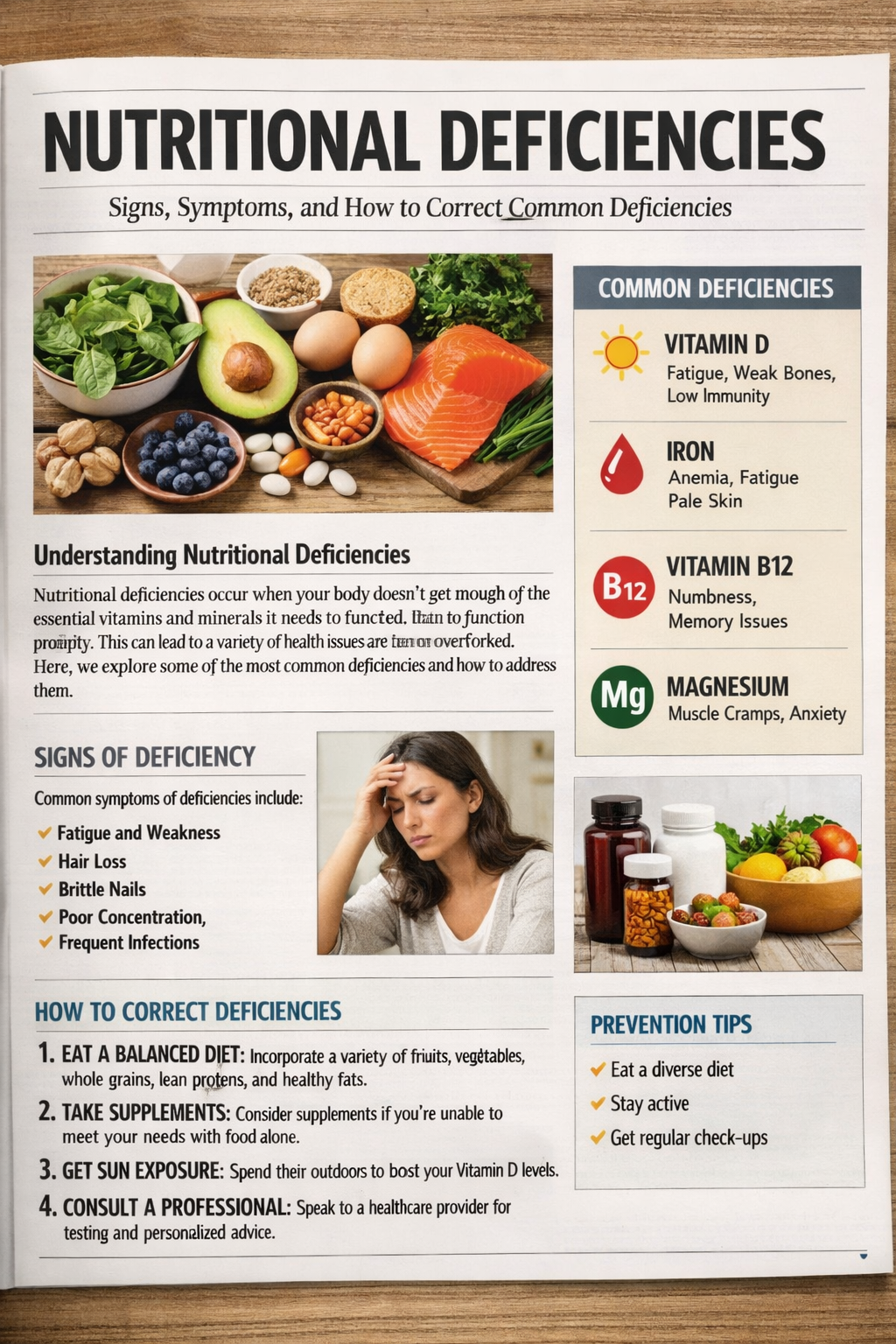
1. Vitamin D
Vitamin D is crucial for:
- Immune function
- Bone health
- Mood
- Hormone balance
- Inflammation control
Even in sunny states, and certainly in a place like St. Louis where we have true winters, we see low or suboptimal vitamin D levels in a large percentage of our patients.
2. Magnesium
Magnesium participates in over 300 enzymatic reactions, including:
- Energy production
- Muscle relaxation
- Sleep quality
- Blood pressure regulation
- Stress resilience
Signs of low magnesium can include muscle cramps, poor sleep, anxiety, constipation, and palpitations.
3. B Vitamins (B12, Folate, B6)
These support:
- Brain function
- Methylation
- Red blood cell production
- Detoxification
- Energy
Low B12 or folate can present as fatigue, brain fog, numbness and tingling, or mood changes. Vegans, older adults, and those with gut issues are at higher risk.
4. Iron and Ferritin
Iron is essential for oxygen transport and energy.
Ferritin reflects iron storage.
Low iron and ferritin levels are extremely common in women of reproductive age and can manifest as:
- Fatigue
- Shortness of breath
- Restless legs
- Hair thinning
- Brain fog
5. Omega-3 Fatty Acids
Omega-3s are anti-inflammatory and support:
- Brain function
- Heart health
- Joint comfort
- Cell membrane integrity
Modern diets are heavy in omega-6 and low in omega-3, which shifts the body toward a more pro-inflammatory state.
6. Zinc
Zinc is critical for:
- Immune function
- Skin health
- Hormone production
- Wound healing
It is often low in patients with poor diet variety or chronic stress.
“My Labs Were Normal” — Why That Doesn’t Always Tell the Full Story
Standard blood work often checks for severe deficiency, not optimal function.
For example:
- A B12 level may be labeled “normal” even if a patient has neurological symptoms of low B12.
- Ferritin may be “within range,” but still too low for optimal hair, energy, and hormone function.
- Vitamin D’s “normal” range is wide, and many patients feel poorly at the low end.
Functional medicine looks at nutrients through the lens of optimal rather than bare minimum.
Internal link prompt:
Read more about our advanced micronutrient testing for St. Louis patients here.
How Nutrient Deficiencies Affect Hormones, Mood, and Metabolism
Nutrients are building blocks and co-factors. When they’re missing, systems falter:
- Low magnesium → poor sleep, higher stress sensitivity
- Low B vitamins → impaired hormone metabolism, mood changes
- Low omega-3s → increased inflammation, brain fog
- Low vitamin D → immune dysregulation, low mood
- Low zinc → hormone disruption, poor skin healing
Hormone balance, neurotransmitter production, and metabolic health depend on nutrient sufficiency.
Digestion and Absorption: It’s Not Just What You Eat, It’s What You Absorb
Even if someone eats fairly well, nutrient absorption can be impacted by:
- Low stomach acid
- Gut infections or dysbiosis
- Chronic diarrhea or constipation
- Celiac disease or gluten sensitivity
- Inflammatory bowel conditions
This is one reason we often pair nutritional assessment with gut health evaluation in our St. Louis practice.
Internal link prompt:
Learn more about gut health and nutrient absorption at Sheen Vein Aesthetics & Functional Medicine.
Who Should Consider Nutrient Evaluation?
- Anyone with chronic fatigue or brain fog
- Those with hair thinning, brittle nails, or skin issues
- Patients dealing with hormone imbalance, thyroid issues, or low libido
- People with chronic digestive symptoms
- Individuals on long-term medications known to impact nutrient levels
- Those with restricted diets or long-term dieting history
Conclusion: You Can’t Feel Your Best on an Empty Nutrient Tank
You can’t build strong hormones, a resilient brain, or a healthy metabolism without the raw materials. Nutrient deficiencies are not rare; they’re widespread — and often hidden behind “normal” lab ranges.
Internal link prompt:
Schedule a functional nutrition consultation and micronutrient evaluation in our St. Louis clinic.