Prediabetes in St. Louis: Why It Is Really Insulin Resistance — and Why Catching It Early Matters
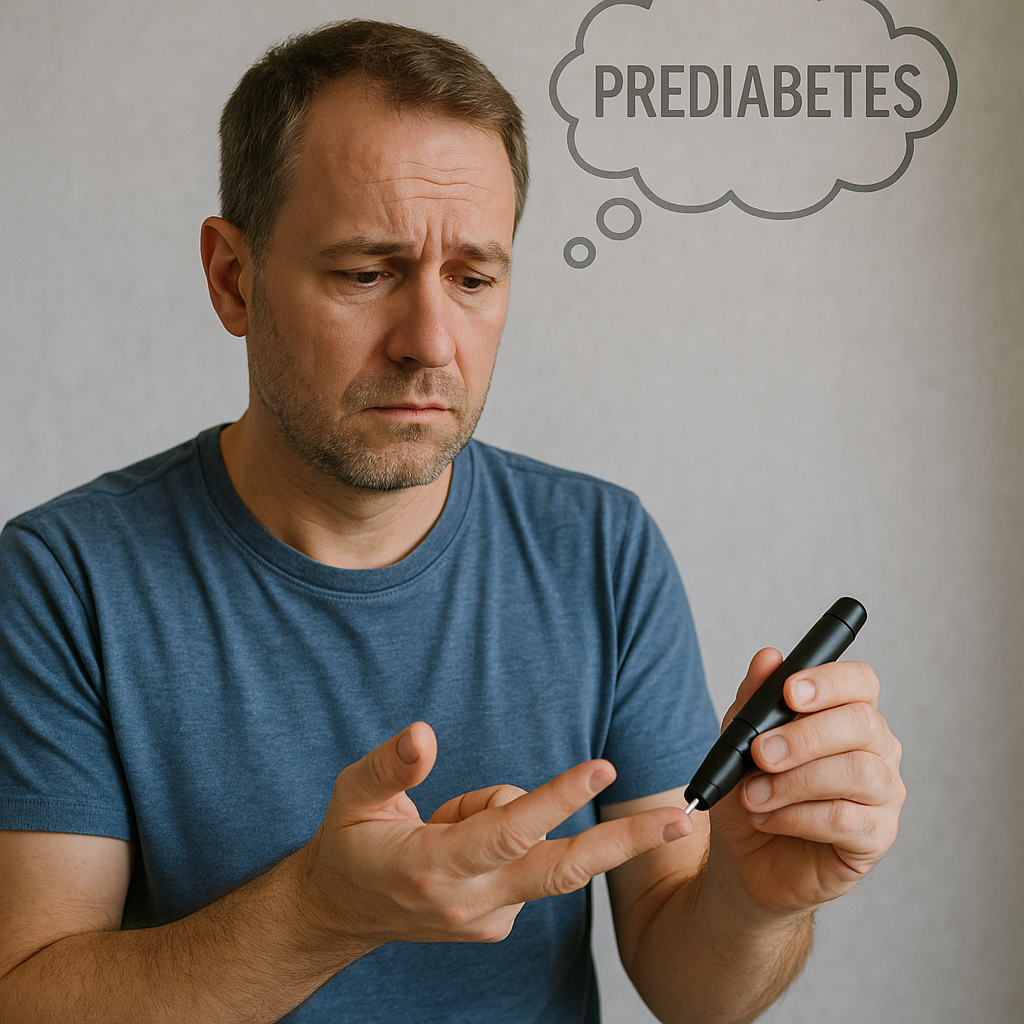
Introduction: Prediabetes Is Not “Almost Diabetes” — It Is Metabolic Dysfunction
A common thing we hear from patients in St. Louis:
“My doctor said I’m borderline diabetic, but not to worry about it.”
Prediabetes affects nearly one in three adults—and most don’t know it.
But here is the truth: prediabetes is insulin resistance, and insulin resistance starts years before blood sugar becomes abnormal.
Ignoring early warning signs allows metabolic dysfunction to progress, often silently.
This blog explains the science behind insulin resistance, why prediabetes develops, what causes the condition to escalate, and how clinicians evaluate metabolic health from a functional perspective.
Internal link prompt:
Learn more about metabolic and hormonal health at Sheen Vein Aesthetics & Functional Medicine.
Section 1: What Is Prediabetes?
Clinically, prediabetes is defined by:
- Elevated fasting glucose
- Elevated A1C
- Impaired glucose tolerance
But these markers only change after years of metabolic imbalance.
Prediabetes = the stage when the body can no longer maintain stable blood sugar without compensating through excess insulin production.
Section 2: Insulin Resistance — The Real Root Cause
Insulin’s job is to move glucose into cells.
In insulin resistance, cells stop responding.
What happens next?
- The pancreas pumps out more insulin
- Insulin levels climb higher
- Fatigue, cravings, and weight gain increase
- Blood sugar eventually rises
Insulin resistance is silent at first—but progressively damaging.
Section 3: Symptoms of Insulin Resistance
Early Symptoms:
- Fatigue
- Sugar cravings
- Afternoon crashes
- Brain fog
- Stubborn weight gain
- Difficulty losing weight
Later Symptoms:
- Skin tags
- Darkening around the neck (acanthosis nigricans)
- Abdominal fat
- Elevated triglycerides
These symptoms often appear years before blood sugar changes.
Section 4: What Causes Insulin Resistance?
1. Genetics
2. Chronic Stress
3. Poor Sleep
4. Inflammation
5. Hormonal Shifts
6. Sedentary Lifestyle
7. High-Calorie Diet
8. Muscle Loss
9. Gut Imbalances
Metabolic health is multifactorial.
Section 5: Why Abdominal Fat Increases in Prediabetes
Abdominal fat is not just storage—it is metabolically active.
It produces inflammatory cytokines that worsen insulin resistance.
This is one reason many patients say:
“I only gain weight in my belly now.”
Section 6: The Progression from Normal → Insulin Resistance → Prediabetes → Diabetes
This progression often takes 5–15 years.
Understanding it early allows for early intervention—before complications develop.
Section 7: A Clinical Evaluation of Prediabetes
We evaluate:
- Fasting insulin
- HOMA-IR
- Glucose trends
- Liver markers
- Cortisol patterns
- Hormones
- Gut function
- Inflammatory load
This helps patients understand why their metabolism shifted.
Internal link prompt:
Schedule a metabolic evaluation at Sheen Vein Aesthetics & Functional Medicine.
Conclusion
Prediabetes is not a warning—it is an active metabolic condition.
Understanding insulin resistance empowers patients to make meaningful changes early.
Internal link prompt:
Learn more about metabolic health in our St. Louis clinic.