PRP Therapy 101: What It Is and How It Works
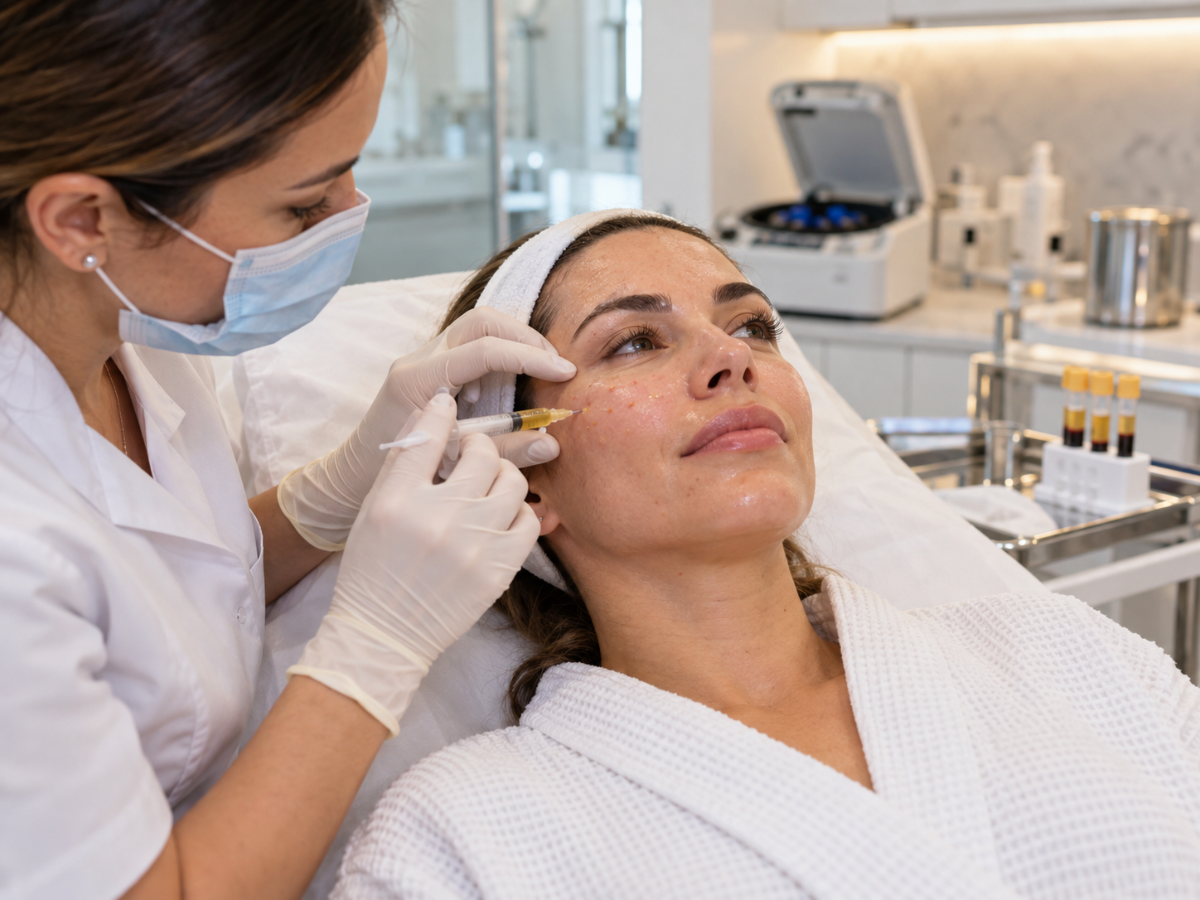
If you are searching for PRP therapy near me, you may want to understand how platelet-rich plasma works, what it may be used for, and whether it fits your goals. PRP therapy uses a concentrated portion of your own blood and may be considered for concerns involving the skin, hair, certain joints, or other areas of the body.
At Sheen Vein (Aesthetics and Functional Medicine), a consultation can help you understand the available PRP treatments, what the process involves, and whether a specific option may be appropriate for you.
What Is PRP Therapy?
PRP stands for platelet-rich plasma. It is prepared from a small sample of your own blood and contains a higher concentration of platelets than regular blood plasma.
Platelets contain proteins and growth factors involved in the body's natural healing processes. Because of these properties, PRP has been studied for applications involving skin, hair, joints, and other areas of regenerative medicine.
The basic process involves collecting blood, processing it to separate and concentrate the platelets, and then applying or injecting the resulting PRP into a selected treatment area.
PRP is not one standardized procedure. Preparation methods, platelet concentrations, treatment techniques, and the number of sessions can vary depending on the treatment area and the provider's protocol.
That variation is important when evaluating PRP. Research has produced promising findings for several applications, but studies do not always use the same preparation methods or treatment schedules.
How Does PRP Therapy Work?
A PRP treatment generally involves several steps:
- Blood collection: A small amount of blood is drawn from your arm.
- Processing: The blood is processed to separate its components and concentrate the platelets.
- Preparation: The platelet-rich portion is prepared for the intended treatment.
- Application or injection: The PRP is used in the selected treatment area.
- Healing response: Platelets release signaling proteins and growth factors that participate in the body's natural healing processes.
The exact process can differ depending on whether PRP is being used for facial rejuvenation, hair concerns, a joint, or another application.
Because PRP comes from your own blood, it is considered an autologous treatment. However, that does not mean it is automatically appropriate for every person or every concern.
A medical evaluation can help determine whether a specific PRP treatment is suitable for your goals and health history.
What Can PRP Therapy Be Used For?
PRP has been studied for several medical and aesthetic applications. The appropriate use depends on the condition being addressed, the treatment area, and your individual goals.
PRP for Facial Rejuvenation
A PRP facial may be considered when your goal is to improve the appearance and overall quality of your skin.
Potential treatment goals may include:
- Improving the appearance of fine lines
- Supporting smoother-looking skin
- Improving skin texture
- Addressing certain pigmentation concerns
- Supporting collagen remodeling
- Improving the appearance of certain scars
PRP may be used as part of an aesthetic treatment plan for selected skin concerns. The expected results can vary depending on the condition being treated, the treatment method, and individual factors.
A consultation can help determine whether PRP is appropriate for your skin concerns and what type of treatment may be suitable.
PRP for Hair Rejuvenation
PRP has also been studied as a treatment option for certain types of hair loss and thinning.
The process typically involves preparing platelet-rich plasma from a person's own blood and using it in selected areas of the scalp. The goal is to support the tissue surrounding the hair follicles, which may help create conditions associated with hair growth.
Hair loss can have many possible causes, and PRP may not be appropriate for every type of hair loss. An evaluation can help determine whether platelet-based treatment may be a reasonable option based on the underlying cause and individual circumstances.
PRP for Knee and Joint Concerns
PRP has also been studied for certain joint and musculoskeletal concerns.
PRP treatment for a joint concern differs from cosmetic PRP because the treatment area, goals, evaluation, and expected outcomes can be different. The appropriate use of PRP depends on the specific condition being addressed and the individual's overall health.
If you are considering PRP for a knee or joint concern, factors such as your symptoms, diagnosis, previous treatments, medications, and overall health may need to be considered before treatment.
What Is a PRP Facial?
A PRP facial uses platelet-rich plasma as part of a facial rejuvenation treatment.
The process begins with a small blood sample. After the blood is processed, the platelet-rich portion is prepared and then used on selected areas of the face according to the treatment technique.
A PRP facial may be considered for concerns such as:
- Fine lines
- Wrinkles
- Changes in skin elasticity
- Certain scars
- Uneven skin appearance
Because PRP facial treatments can involve different techniques and treatment plans, the recommended approach may vary based on your skin concerns and treatment goals. A consultation can help determine whether PRP is appropriate for you and explain what to expect from the recommended treatment.
What Are the Potential Benefits of PRP?
Potential benefits depend on the reason PRP is being used and the treatment area.
For facial treatments, PRP may be considered as part of a treatment plan for concerns such as skin texture, fine lines, elasticity, and overall skin appearance.
For hair treatments, PRP may be considered for areas affected by thinning or changes in hair growth.
For joint applications, PRP may be considered depending on the condition being treated and the individual's treatment goals.
Because PRP treatments can vary based on the treatment area, technique, and individual factors, results may differ from person to person. A consultation can help you understand the potential benefits, limitations, and realistic expectations for the specific PRP treatment being considered.
What Happens During a PRP Treatment?
Your experience can vary depending on the type of PRP procedure you receive.
A treatment generally begins with a consultation and review of your medical history. Your provider can discuss the area being treated, your goals, relevant medications or health conditions, and whether PRP is appropriate.
If you proceed, a small blood sample is collected and processed to prepare the PRP.
The prepared PRP is then applied or injected into the selected area. Facial and scalp treatments use different techniques because they address different concerns.
For example, a PRP facial focuses on skin-related goals, while PRP Hair Rejuvenation is directed toward selected scalp areas.
Before treatment, your provider should explain the steps involved and what you may experience during and after the procedure.

Does PRP Therapy Hurt?
Some discomfort can occur because PRP treatment may involve a blood draw and injections.
The level of discomfort can vary based on the treatment area, injection technique, number of injections, and individual sensitivity.
Ask about available comfort measures during your consultation. Your provider can explain what may be appropriate for the specific procedure you are considering.
What Is Recovery Like After PRP?
Recovery depends on the treatment area and technique.
After an injectable PRP procedure, temporary effects may include:
- Redness
- Swelling
- Tenderness
- Bruising
- Mild sensitivity
These effects generally improve as the treated area heals, although the experience can vary from person to person.
Your provider may also give you instructions about exercise, skin care products, heat exposure, medications, or other activities following treatment.
Because different PRP procedures have different recovery requirements, instructions for a PRP facial may not be the same as those for a scalp or joint treatment.
Follow the aftercare instructions provided for your specific procedure rather than relying on general advice.
How Many PRP Treatments Do You Need?
There is no universal number of PRP sessions that applies to everyone.
The recommended number can depend on:
- The area being treated
- Your treatment goals
- The condition being addressed
- The treatment method
- Your individual response
- Whether PRP is being used alone or with another procedure
Some treatment plans involve multiple sessions, while others may use a different schedule based on the patient's needs.
Your provider should explain the recommended treatment schedule and what changes you may reasonably expect before you begin.
How Long Does It Take to See PRP Results?
PRP results are generally gradual rather than immediate. The timeline depends on the treatment area, the concern being addressed, the treatment plan, and your individual response.
For facial treatments, changes in skin appearance may develop as the skin responds over time. Hair-related treatments can also require patience before changes in hair growth or thickness become noticeable.
Because every person responds differently, there is no single timeline that applies to everyone. Factors such as the treatment area, number of sessions, and your overall skin or health condition can influence when results become noticeable.
Your provider can explain what type of improvement may be realistic and when you should assess your progress based on the treatment being considered.
Who May Be a Candidate for PRP?
PRP may be considered if you have a specific skin, hair, joint, or regenerative treatment goal and are medically appropriate for the procedure.
During a consultation, your provider may consider:
- Your primary concern
- Your medical history
- Current medications
- Previous procedures
- Skin or scalp condition
- Treatment goals
- Your expectations
Certain health conditions or medications may affect whether PRP is appropriate. Your provider can review these factors before recommending treatment.
The goal is not to determine whether PRP is universally right or wrong. It is to determine whether a specific PRP application is appropriate for your situation.
What Should You Ask Before PRP Treatment?
Before scheduling treatment, consider asking:
- What is PRP being used to address in my case?
- How will the PRP be prepared?
- How will the PRP be applied or injected?
- How many treatments may I need?
- What results are realistic?
- What side effects should I expect?
- How much downtime should I plan for?
- Are there medications or activities I should avoid?
- When should I expect to evaluate my results?
- Are there other treatments I should consider?
These questions can help you understand the procedure and decide whether it fits your goals.
Choosing PRP Therapy Near You
If you are searching for PRP therapy near me, location is only one factor to consider.
Look for a provider who can explain the treatment clearly, evaluate whether it is appropriate for your goals, and give you realistic information about potential benefits, limitations, risks, and recovery.
It can also help to review the provider's qualifications and the specific PRP services available. A practice that offers several PRP applications may be able to discuss whether a facial, hair, or regenerative treatment is more appropriate for your particular concern.
PRP Therapy in St. Louis
Sheen Vein (Aesthetics and Functional Medicine) provides PRP services at its St. Louis location at 11144 Tesson Ferry Rd #100, St. Louis, MO 63123.
The practice currently lists PRP Facial, PRP Hair Rejuvenation, biological filler treatments, and a Knee Rejuvenation Program among its PRP services.
Dr. Vidal Sheen, M.D., RVT, RPVI, has more than 20 years of experience in medicine, phlebology, facial aesthetics, and regenerative medicine. His training includes Johns Hopkins University and the University of Louisville School of Medicine, followed by internship and residency training at Barnes-Jewish Hospital in St. Louis.
A consultation gives you an opportunity to discuss your treatment goals, medical history, and available PRP options before deciding whether a particular treatment is appropriate.
Frequently Asked Questions
What is PRP therapy and how does it work?
PRP therapy uses a concentrated portion of your own blood that contains platelets. After the blood is processed, the PRP is applied or injected into a selected treatment area, where platelet-related growth factors may participate in the body's natural healing processes.
Is PRP therapy safe?
PRP is minimally invasive, but it still carries potential risks associated with blood collection and injections. Temporary redness, swelling, tenderness, or bruising may occur. Your provider should review the potential risks and determine whether PRP is appropriate for your medical history.
How long does PRP take to work?
Results can develop gradually rather than immediately. The timeline depends on the treatment area, condition being addressed, treatment protocol, and individual response. Your provider can explain when you should reasonably expect to evaluate your results.
How many PRP treatments will I need?
There is no standard number of sessions for every patient. The recommended schedule depends on the treatment area, your goals, the condition being addressed, and your response to treatment. A consultation can help establish an appropriate treatment plan.
Is a PRP facial the same as PRP for hair?
No. Both treatments use platelet-rich plasma prepared from your own blood, but they target different areas and goals. A PRP facial focuses on skin concerns, while PRP Hair Rejuvenation is intended for selected scalp and hair concerns.
Can PRP be combined with other treatments?
PRP may sometimes be used alongside other treatments, but the appropriate combination depends on your goals, medical history, and the specific procedures involved. Your provider can discuss whether combining treatments makes sense for your situation.
Is PRP Therapy Worth Considering?
PRP may be worth considering if you have a specific skin, hair, joint, or regenerative treatment goal and want to learn whether a platelet-based treatment could fit your needs.
The important question is not simply whether PRP is popular. It is whether the specific application is appropriate for your situation and whether your expectations match what the treatment can realistically provide.
If you are considering PRP therapy near me, including PRP facial St. Louis, a consultation can help you understand the available options and determine whether a specific PRP treatment is appropriate for your goals.
Learn More About PRP Treatment
- Book an Appointment – Schedule a consultation to discuss your treatment goals, available PRP options, and whether a specific procedure may be appropriate for you.
- Contact Now – Reach out to the office with questions about PRP treatments, preparation, recovery, or what to expect during a consultation.