Radiofrequency Ablation or Sclerotherapy: Which Is Best?
Choosing between radiofrequency ablation and sclerotherapy is not simply a matter of picking one procedure over another. Each treatment works differently and may be suited to different types of vein concerns, depending on the size and location of the veins, blood flow, symptoms, and evaluation findings.
Radiofrequency ablation uses controlled radiofrequency energy to close a targeted vein from within, while sclerotherapy uses an injected solution to close selected veins. Understanding how these treatments differ can help you ask better questions and have a clearer conversation about your treatment options.
At Sheen Vein (Aesthetics and Functional Medicine), the focus is on identifying the characteristics of the veins being treated and determining which approach may make sense for the individual patient. Comparing the purpose, procedure, and expected considerations of each option can help patients better understand what to discuss with their provider.
What Is Radiofrequency Ablation?
Radiofrequency ablation is a minimally invasive treatment that uses radiofrequency energy to close a targeted vein.
During the procedure, a catheter is placed into the affected vein. Radiofrequency energy is then delivered through the catheter to heat the vein wall. This causes the treated vein to close, allowing blood to reroute through other functioning veins.
Radiofrequency ablation may be considered for certain larger veins affected by venous reflux.
The procedure is not appropriate for every patient or every vein. A proper evaluation can help determine whether radiofrequency ablation is suitable based on the patient's vein anatomy, symptoms, and diagnostic findings.
What Is Sclerotherapy?
Sclerotherapy is another minimally invasive treatment used for certain visible veins.
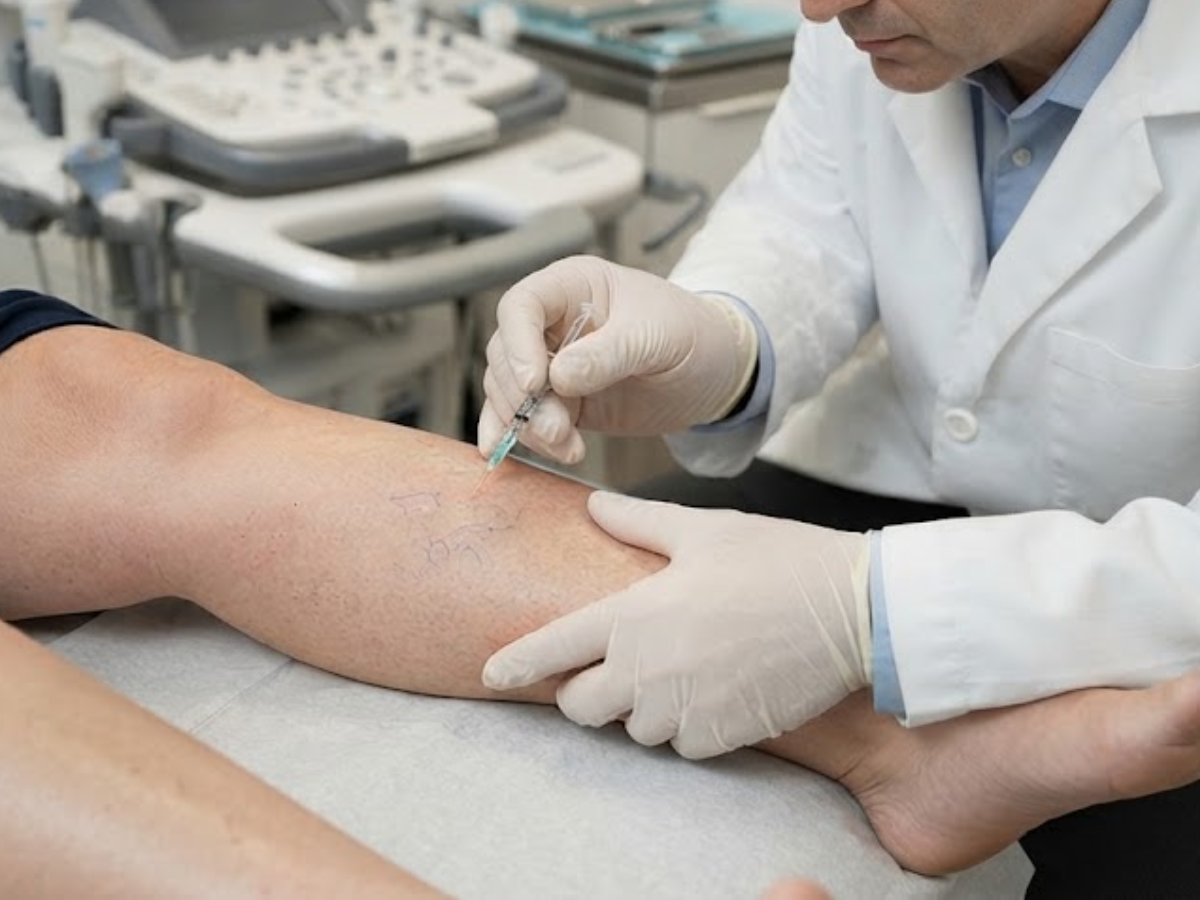
During sclerotherapy, a healthcare provider injects a sclerosing solution into a targeted vein. The solution irritates the inner lining of the vein, causing it to close. The body then gradually processes the treated vein while blood continues to flow through other functioning veins.
Sclerotherapy may be considered for certain:
- Spider veins
- Small varicose veins
- Visible surface veins
- Other appropriately selected superficial veins
Different forms of sclerotherapy may be considered depending on the characteristics of the veins being treated. Visual sclerotherapy uses direct visual examination to identify suitable surface veins, while ultrasound-guided sclerotherapy uses imaging to help locate and treat targeted veins.
How Are Radiofrequency Ablation and Sclerotherapy Different?
Although both treatments can close targeted veins, the procedures differ in how they work and the types of veins they may be used to treat.
Radiofrequency Ablation
Radiofrequency ablation uses thermal energy delivered through a catheter placed inside the targeted vein.
It may be considered when a larger vein is contributing to abnormal blood flow or venous reflux.
Sclerotherapy
Sclerotherapy uses an injected solution to close selected veins.
It is commonly used for certain smaller surface veins, including spider veins and appropriately selected smaller varicose veins.
The distinction is important because the appearance of a vein does not necessarily indicate which treatment is appropriate. A vein that appears prominent on the surface may be connected to an underlying venous issue that requires a different treatment approach.
Which Veins Can Radiofrequency Ablation Treat?
Radiofrequency ablation is generally considered for certain larger veins that are contributing to venous reflux.
Venous reflux occurs when valves inside the veins do not function properly, allowing blood to flow backward instead of moving efficiently toward the heart.
This can increase pressure within the veins and may contribute to symptoms such as:
- Leg aching
- Heaviness
- Swelling
- Fatigue
- Visible enlarged veins
- Discomfort after prolonged standing
An ultrasound examination can help a provider evaluate blood flow and determine whether reflux is present.
If a larger vein is contributing to the underlying problem, radiofrequency ablation may be considered as part of the treatment plan.
Which Veins Can Sclerotherapy Treat?
Sclerotherapy is commonly used for selected surface veins.
Depending on their size, location, and characteristics, treatment may be considered for:
- Spider veins
- Smaller visible veins
- Certain smaller varicose veins
- Other appropriately selected superficial veins
Sclerotherapy may be performed using visual guidance for suitable surface veins. Ultrasound-guided sclerotherapy may be considered when imaging is useful to identify and target veins beneath the skin.
A vein evaluation can help determine whether the visible veins are appropriate for sclerotherapy or whether another treatment may be more suitable.
Radiofrequency Ablation vs. Sclerotherapy: How Do They Work?
Understanding how each procedure works can help explain why they are not interchangeable treatments.
How Radiofrequency Ablation Works
Radiofrequency ablation delivers controlled heat through a catheter placed inside the targeted vein.
The energy causes the vein to close. Blood can then reroute through other functioning veins.
The procedure targets the vein from within and may be considered when an underlying vein is contributing to venous reflux.
How Sclerotherapy Works
Sclerotherapy involves injecting a sclerosing solution directly into the selected vein.
The solution causes the vein to close, after which the body gradually processes the treated vessel.
The blood that previously traveled through the treated vein can then flow through other functioning veins.
Because the treatments work differently, the choice should be based on the characteristics and location of the veins being evaluated.
Is Radiofrequency Ablation Better Than Sclerotherapy?
There is no single treatment that is automatically better for every patient.
Radiofrequency ablation and sclerotherapy may be appropriate for different types of vein concerns. A patient with a larger vein associated with venous reflux may require a different treatment approach from someone seeking treatment for smaller visible surface veins.
The appropriate choice depends on factors such as:
- The size of the vein
- The location of the vein
- Blood flow
- The presence of venous reflux
- Symptoms
- Ultrasound findings
- Previous vein treatments
- Individual medical circumstances
Rather than choosing a treatment based only on the appearance of a vein, a professional evaluation can help identify the underlying condition and determine which treatment options may be appropriate.
Why Is Ultrasound Important Before Treatment?
Ultrasound can provide information about veins beneath the skin and how blood is moving through them.
During a vein evaluation, ultrasound may help identify:
- The veins involved
- The direction of blood flow
- Areas of venous reflux
- The characteristics of the affected veins
- Findings that may influence treatment decisions
This information can be particularly useful when a patient has symptoms such as swelling, heaviness, or aching.
A visible vein does not always reveal the source of abnormal blood flow. Diagnostic evaluation can therefore help a provider determine whether treatment should focus on an underlying vein, surface veins, or another potential cause.
What Can You Expect During Radiofrequency Ablation?
Before radiofrequency ablation, the provider may review your symptoms, medical history, and previous vein treatments.
Ultrasound may be used to evaluate the targeted vein and determine whether the procedure is appropriate.
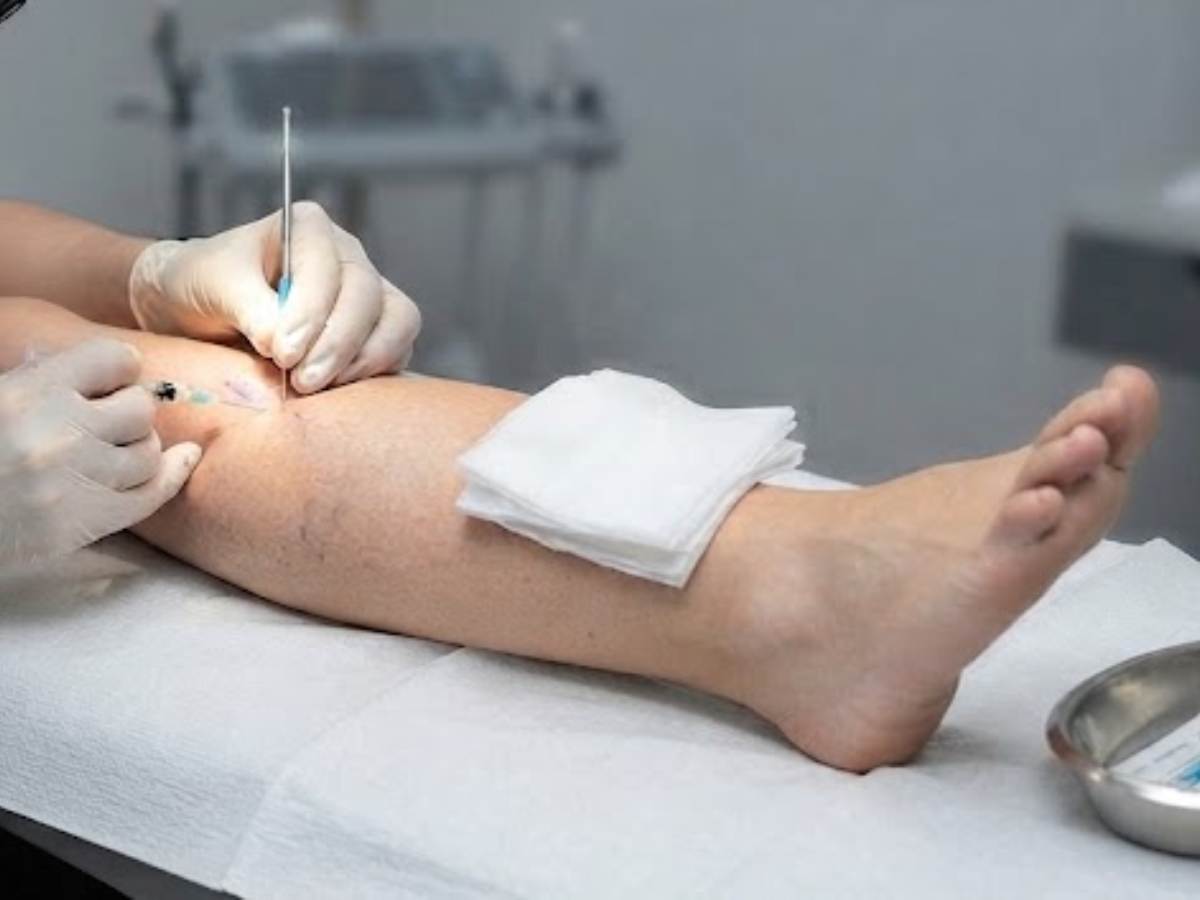
During treatment, a catheter is placed into the targeted vein. Radiofrequency energy is then delivered through the catheter to close the vein.
Because the procedure is minimally invasive, it does not require the type of large surgical incision associated with traditional vein surgery.
Your provider can explain the procedure, preparation, aftercare, and activity recommendations based on your individual treatment plan.
What Can You Expect During Sclerotherapy?
Before sclerotherapy, the provider may review your medical history and examine the veins being considered for treatment.
During the procedure, a small needle is used to inject the sclerosing solution into selected veins.
The number of injections depends on the number and characteristics of the veins being treated.
Sclerotherapy is also minimally invasive and generally does not involve a surgical incision.
Your provider can explain what sensations you may experience during treatment, along with aftercare instructions and any recommendations for activity following the procedure.
How Long Does It Take to See Results?
Results can develop gradually with both treatments, although the process is different for each procedure.
After radiofrequency ablation, the treated vein closes, and the body gradually processes it. Patients may notice changes in symptoms and the appearance of veins over time.
With sclerotherapy, the body also gradually processes the treated vein after it has been closed by the injected solution.
The timeline can vary depending on the type and size of the veins treated, the treatment approach, and the individual's response.
Your provider can explain what changes may reasonably be expected and whether follow-up evaluation is recommended.
Do You Need More Than One Treatment?
Some patients may require more than one treatment session.
The number of treatments depends on factors such as the number of affected veins, their size and location, the underlying venous condition, and the patient's treatment response.
For example, a patient may have both a larger vein associated with venous reflux and smaller surface veins. Different treatment approaches may therefore be considered for different veins.
This is why a comprehensive evaluation can be more useful than selecting a procedure based solely on the visible appearance of the veins.
Can Radiofrequency Ablation and Sclerotherapy Be Used Together?
In some treatment plans, different procedures may be considered for different veins.
For example, radiofrequency ablation may be used to address an appropriately selected vein associated with venous reflux, while sclerotherapy may be considered for certain remaining surface veins.
Whether combining treatments is appropriate depends on the patient's vein anatomy, symptoms, diagnostic findings, and treatment goals.
A provider can determine whether one treatment or a combination of approaches makes sense after evaluating the veins involved.
What Factors Should You Consider When Choosing a Treatment?
Choosing between radiofrequency ablation and sclerotherapy should involve more than comparing procedures.
Consider whether the provider:
- Performs a thorough vein evaluation
- Review your symptoms and medical history
- Uses ultrasound when appropriate
- Explains the underlying vein condition
- Discusses multiple treatment options when appropriate
- Explains what results may reasonably be expected
- Provides clear aftercare and follow-up recommendations
The goal should be to understand why a particular treatment is being recommended rather than choosing a procedure simply because it is popular or minimally invasive.
Why Choose Sheen Vein (Aesthetics and Functional Medicine) for Vein Treatment?
At Sheen Vein (Aesthetics and Functional Medicine), patients can discuss their vein concerns with a provider who considers the characteristics of the veins, symptoms, and individual treatment needs.
Dr. Vidal Sheen's professional credentials include Internal Medicine board certification, along with RVT and RPVI credentials. His professional background also includes training and experience in phlebology.
Rather than assuming that one procedure is appropriate for every patient, the practice can evaluate the individual vein condition and discuss whether radiofrequency ablation, sclerotherapy, or another treatment approach may be suitable.
Frequently Asked Questions
Is radiofrequency ablation the same as sclerotherapy?
No. Radiofrequency ablation uses radiofrequency energy delivered through a catheter to close a targeted vein, while sclerotherapy uses an injected solution to close selected veins. The appropriate treatment depends on the characteristics of the veins and the patient's individual evaluation.
Which is better, radiofrequency ablation or sclerotherapy?
Neither treatment is automatically better for everyone. Radiofrequency ablation and sclerotherapy may be used for different types of veins and vein conditions. A professional evaluation can help determine which treatment may be appropriate based on vein size, location, blood flow, symptoms, and other findings.
Is radiofrequency ablation painful?
Patients may experience some pressure, sensations, or discomfort during the procedure, although individual experiences vary. A provider can explain what to expect before treatment and discuss the measures used during the procedure to help manage discomfort.
How long does radiofrequency ablation take?
The length of a radiofrequency ablation procedure can vary depending on the vein being treated and the individual treatment plan. Your provider can explain the expected procedure time, preparation requirements, and follow-up recommendations during your consultation.
Can sclerotherapy treat larger veins?
Sclerotherapy may be appropriate for certain smaller veins and selected veins based on their characteristics. It is not suitable for every vein. A professional evaluation can help determine whether sclerotherapy or another treatment approach is more appropriate.
Can I develop new veins after treatment?
Yes. Treating a targeted vein does not guarantee that new visible veins will not develop in the future. New veins may become noticeable depending on individual factors and underlying venous conditions. Ongoing evaluation may be appropriate if new symptoms or visible veins develop.
Choosing Between Vein Treatment Options in St. Louis
Choosing between radiofrequency ablation and sclerotherapy starts with understanding the condition affecting your veins.
While both treatments can close targeted veins, they are not designed for exactly the same situations. Radiofrequency ablation may be considered for certain larger veins associated with venous reflux, while sclerotherapy may be appropriate for selected surface veins and smaller visible veins.
If you are in St. Louis or a nearby community and have been searching for sclerotherapy near me, a professional evaluation can help you understand which treatment options may be appropriate for your specific vein concerns.
At Sheen Vein (Aesthetics and Functional Medicine), patients can discuss their symptoms, diagnostic findings, treatment goals, and available treatment approaches with a qualified medical professional.
Sheen Vein (Aesthetics and Functional Medicine)
11144 Tesson Ferry Rd #100, St. Louis, MO 63123
sheenveinandcosmetics.com
Discuss Your Vein Treatment Options
- Book an Appointment – Schedule a consultation to discuss your vein concerns, evaluation options, and whether radiofrequency ablation or sclerotherapy may be appropriate for you.
- Contact Now – Contact the office with questions about vein treatment, radiofrequency ablation, sclerotherapy, or the consultation process.