Restless Leg Syndrome Treatment Options for Fast Relief
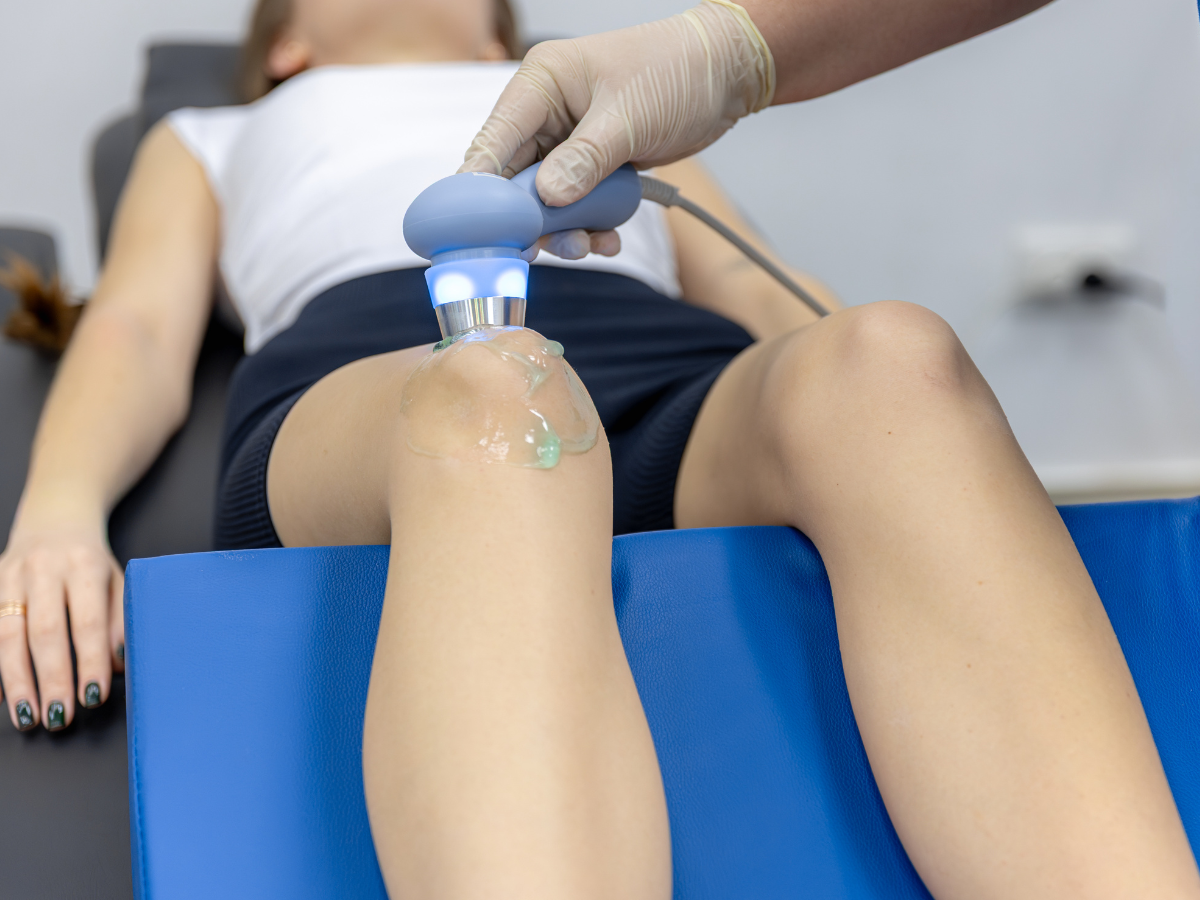
Restless leg syndrome treatment focuses on reducing uncomfortable sensations in the legs that often worsen at rest and disrupt sleep. Many cases are linked to neurological and circulation-related factors, which makes proper evaluation important. Understanding the cause helps guide more effective and lasting relief.
At Sheen Vein (Aesthetics and Functional Medicine), restless leg symptoms are approached by looking beyond surface discomfort and considering both nerve function and circulation health. This more complete evaluation helps identify contributing factors that may be overlooked in generalized care.
When the underlying drivers are addressed properly, many individuals experience noticeable improvement in sleep quality, nighttime comfort, and overall daily energy.
What Is Restless Leg Syndrome?
Restless leg syndrome (RLS) is a neurological disorder that creates a strong urge to move the legs, usually due to uncomfortable sensations. These feelings often appear when the body is inactive, especially in the evening or at night.
People with RLS commonly describe sensations such as:
- Tingling
- Crawling feelings under the skin
- Itching or pulling sensations
- Deep discomfort that improves with movement
Because symptoms often occur at night, RLS can significantly interfere with sleep and daily energy levels.
Symptoms of Restless Leg Syndrome
RLS symptoms vary from mild to severe and may change over time.
Common symptoms include:
- Strong urge to move the legs when resting
- Unpleasant sensations in the lower limbs
- Temporary relief after walking or stretching
- Symptoms that worsen in the evening or at night
- Difficulty falling or staying asleep
- Daytime fatigue due to poor sleep quality
In more advanced cases, symptoms may also affect sitting for long periods, such as during travel or work.
What Causes Restless Leg Syndrome?
Restless leg syndrome does not have a single cause. Instead, it is linked to multiple contributing factors.
1. Nervous System Activity
RLS is primarily associated with changes in how the brain processes nerve signals, particularly those involved in movement and sensation.
2. Iron and Nutrient Imbalance
Low iron levels or poor iron storage in the body may disrupt dopamine function, which plays a role in movement control.
3. Circulation Issues and Vein Health
Clinical observations indicate a link between RLS symptoms and venous circulation problems, particularly in individuals with vein-related conditions.
When circulation in the legs is reduced, discomfort and restlessness may increase, particularly during inactivity.
4. Medications and Lifestyle Triggers
Certain medications or habits may worsen symptoms, including:
- High caffeine intake
- Alcohol consumption
- Sedentary lifestyle
- Poor sleep habits
How Circulation and Nerve Health May Be Connected in RLS
Although RLS is classified as a neurological condition, there is a recognized overlap with circulation problems.
In some cases, vein disease may contribute to or worsen symptoms by affecting blood flow in the lower legs. When circulation improves, many individuals notice a reduction in restlessness and nighttime discomfort.
This connection highlights why a full evaluation of both neurological and vascular health can be important for long-term symptom relief.
Restless Leg Syndrome Treatment Options
Treatment depends on the severity of symptoms and underlying causes. A combination of approaches is often most effective.
1. Lifestyle Changes for Symptom Relief
Simple daily adjustments can reduce symptom intensity.
Helpful strategies include:
- Regular walking or light exercise
- Stretching before bedtime
- Reducing caffeine intake, especially in the afternoon
- Maintaining consistent sleep routines
- Avoiding long periods of inactivity
These steps can help calm leg sensations and improve sleep quality.
2. Improving Sleep Habits
Sleep disruption is one of the biggest challenges for individuals with RLS.
Better sleep habits may include:
- Keeping a fixed sleep schedule
- Creating a calm, cool sleep environment
- Avoiding screens before bed
- Practicing relaxation techniques
Improving sleep hygiene often reduces the severity of nighttime symptoms over time.
3. Medical Evaluation and Diagnosis
There is no single lab test for restless leg syndrome. Diagnosis is based on symptoms and medical history.
A healthcare provider may:
- Review symptom patterns
- Rule out other neurological or circulatory conditions
- Check iron levels or other nutrient deficiencies
- Assess vascular health when needed
This step is important to ensure the correct treatment plan is used.

4. Medication-Based Treatment (For Severe Cases)
When symptoms are more persistent, medication may be recommended.
Options may include:
- Medications that influence dopamine activity
- Nerve-calming treatments
- Other prescriptions based on symptom severity
These treatments are typically considered when lifestyle changes alone are not enough.
5. Circulation-Focused Treatment Approaches
When vein-related issues contribute to symptoms, improving circulation can make a meaningful difference.
Approaches may include:
- Evaluation of vein function in the legs
- Treatments that support healthy blood flow
- Targeted care for venous insufficiency when present
In patients with both RLS and vein disease, addressing circulation often improves comfort and sleep.
Living With Restless Leg Syndrome
RLS is often a long-term condition, but symptoms can be managed effectively with the right approach.
People living with RLS often benefit from:
- Ongoing symptom monitoring
- Lifestyle consistency
- Regular medical follow-ups
- Support from healthcare providers
Support groups and patient communities can also help individuals share experiences and coping strategies.
Local Care for Restless Leg Syndrome in St. Louis
For individuals in St. Louis experiencing ongoing symptoms, a comprehensive evaluation can help identify whether the cause is neurological, nutritional, or circulation-related. Restless leg syndrome can have multiple contributing factors, so identifying the underlying trigger is an important step toward more effective management.
A focused assessment helps ensure that treatment is tailored to the actual cause rather than only addressing symptoms. This approach can support better control of nighttime discomfort, improve sleep quality, and reduce recurring leg restlessness over time.
Frequently Asked Questions
What is restless leg syndrome?
Restless leg syndrome is a neurological condition that causes an uncontrollable urge to move the legs due to uncomfortable sensations, especially during rest.
Why are restless legs worse at night?
Symptoms often worsen at night because the body is less active, which makes sensations more noticeable.
Can vein problems cause restless leg syndrome?
Vein-related circulation issues may contribute to or worsen symptoms in some individuals.
What helps restless leg syndrome naturally?
Exercise, improved sleep habits, reduced caffeine intake, and stretching can help reduce symptoms.
Is restless leg syndrome treatable?
Yes, while it may be long-term, symptoms can often be managed effectively with lifestyle changes, medical treatment, and circulation-focused care.
RLS Relief in St. Louis
Restless leg syndrome treatment is most effective when it targets both symptoms and underlying causes, such as nerve function, nutrient balance, and circulation health. While lifestyle changes can provide meaningful relief, persistent symptoms often benefit from a full medical and vascular evaluation.
For individuals in St. Louis, a personalized approach can help identify contributing factors and create a clearer path toward better sleep and reduced leg discomfort associated with restless leg syndrome.
Sheen Vein (Aesthetics and Functional Medicine)
11144 Tesson Ferry Rd #100, St. Louis, MO 63123
sheenveinandcosmetics.com
Start Your Restless Leg Relief Journey
- Book Appointment – Schedule a consultation to evaluate your restless leg syndrome symptoms and explore personalized treatment options focused on improving sleep, reducing discomfort, and addressing possible underlying causes.
- Contact Now – Reach out to learn more about treatment options for restless leg syndrome, ask questions, or find out which approach may be appropriate for your condition and symptom severity.