Scar Revision in St. Louis: Understanding Why Scars Form, How They Mature, and What Influences Their Appearance Over Time
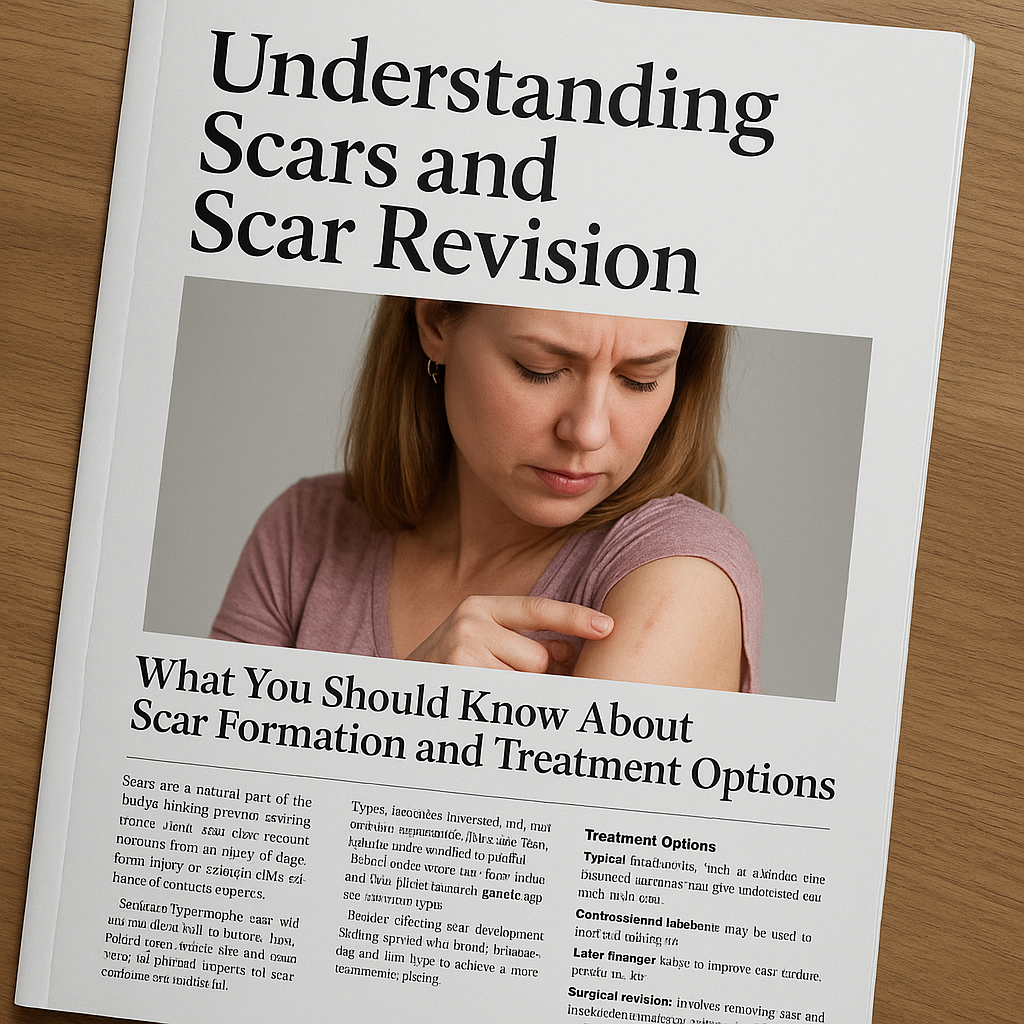
Introduction: Scars Tell a Story — But Sometimes They Tell the Wrong Story
Nearly every week in our St. Louis clinic, someone says:
“I hate the way this scar looks. I don’t even notice it most days, but when I do, it bothers me.”
Scars are incredibly common and incredibly personal. They can follow injury, surgery, acne, childbirth, burns, or even something as minor as a scraped knee. But what many people don’t fully realize is that scars are not static — they evolve, soften, remodel, and can change dramatically over time.
Understanding why scars form and what affects their long-term appearance allows us to guide patients with clarity, compassion, and science. At Sheen Vein Aesthetics & Functional Medicine, our approach focuses on the biology behind the scar, not just the surface appearance.
This blog explains the physiology of scar formation, types of scars, factors that influence healing, and what patients can expect as scars mature.
Internal link prompt:
Learn more about our integrative skin and wellness philosophy here.
Section 1: What Is a Scar, Clinically Speaking?
A scar is the body’s natural attempt to repair damaged skin integrity. Whenever the skin is injured beyond the superficial epidermis, the body triggers an intricate, multi-layered repair response.
A scar is not a flaw — it is your body’s best effort to restore strength and protection.
Scars Form Because:
- Collagen fibers reorganize rapidly to close a wound
- New tissue is denser and less flexible
- The body prioritizes closure and protection over cosmetic appearance
This healing tissue is different from pre-injury skin. It often lacks:
- Sweat glands
- Hair follicles
- Normal elastin distribution
- Normal pigmentation
This is why scars look and feel different from surrounding skin.
Section 2: The 4 Phases of Scar Formation
The body’s healing process unfolds in predictable stages.
1. Hemostasis (Minutes to Hours)
Immediately after injury, platelets, clotting factors, and fibrin form a protective plug. This becomes the temporary “scaffold” for new tissue.
2. Inflammation Phase (Days 1–7)
White blood cells clean the wound and remove bacteria or debris. This phase brings redness, swelling, and warmth.
3. Proliferative Phase (1–6 Weeks)
This is where early scar tissue begins forming:
- Fibroblasts create collagen
- New blood vessels form
- The wound contracts
The scar is typically pink, raised, and firm during this time.
4. Maturation / Remodeling Phase (3 Months to 2 Years)
Collagen reorganizes, softens, and realigns along tension lines.
This phase determines how flat, soft, or pale a scar becomes long term.
Section 3: The Different Types of Scars
1. Flat or “Normotrophic” Scars
These are the most common. They may be discolored initially but flatten over time.
2. Hypertrophic Scars
Raised scars that stay within the boundaries of the original wound. Common after burns, surgery, or high-tension areas (back, chest, shoulders).
3. Keloids
These extend beyond the boundary of the original injury, forming thick, rubbery scars. They occur more frequently in certain skin types and genetic backgrounds.
4. Atrophic or Depressed Scars
These occur when collagen loss exceeds collagen production — common in acne scarring or after deep infections.
5. Contracture Scars
These form after burns and can reduce mobility by tightening the skin.
Section 4: Why Some Scars Become More Noticeable Than Others
1. Genetics
Some individuals simply produce more collagen, increasing their risk for raised scars.
2. Age
Younger patients heal faster but may produce more collagen. Older individuals heal more slowly but may form smoother scars.
3. Wound Tension
Areas that stretch (shoulders, chest, joints) often scar more dramatically.
4. Sun Exposure
UV exposure during healing worsens discoloration and prolongs redness.
5. Inflammation Levels
High inflammation = thicker, more fibrotic scars.
6. Depth and Location of Injury
The deeper the injury, the more pronounced the scar.
7. Skin Tone
Melanocyte activity influences hyper- and hypopigmentation in scars.
Section 5: The Emotional Impact of Scarring
Clinically, scars are biological. But personally, they are deeply emotional.
Scars can represent trauma, a painful memory, or a moment in life that a person didn’t choose to carry with them. As clinicians, we never treat a scar as “just cosmetic.”
Many patients describe:
- Loss of confidence
- Embarrassment
- Avoidance of social situations
- Wearing clothing to hide scars
- Emotional reminders of past events
Scars deserve compassion, validation, and clinical attention — even when they are medically harmless.
Section 6: When Should Someone Consider an Evaluation for a Scar?
Even without discussing treatments, there are clear clinical indications for evaluation:
- Restricted movement from a scar
- Painful, itchy, or sensitive scars
- Raised or rapidly growing scars
- Depressed scars after injuries or acne
- Scars causing emotional distress
- Scars that remain bright red or purple after several months
Early evaluation can help us monitor scar maturation and educate patients on what to expect.
Internal link prompt:
Schedule a consultation at Sheen Vein Aesthetics & Functional Medicine in St. Louis.
Section 7: Understanding the Timeline of Scar Maturation
0–3 Months:
Red, firm, raised, stiff — completely normal.
3–6 Months:
Begins softening and flattening; color slowly fades.
6–24 Months:
Collagen reorganizes; scar may continue improving for two years or more.
Section 8: Why a Clinical Approach Matters for Scars
While the internet is full of advice, high-quality scar assessment requires:
- Understanding of collagen biology
- Knowledge of inflammation patterns
- Ability to differentiate keloids vs hypertrophic scars
- Insight into how lifestyle or systemic factors affect healing
Our role is education, reassurance, and guiding patients with evidence-based expectations.
Conclusion
Scars are biologically complex and emotionally significant.
Whether from injury, surgery, acne, or burns, each scar tells a story — and for many people, that story is not one they want to carry forever.
Understanding scar formation empowers patients to make informed decisions about their skin and their health.
Internal link prompt:
Learn more about skin health, scars, and functional wellness here.