Sclerotherapy for Varicose Veins: Expected Results
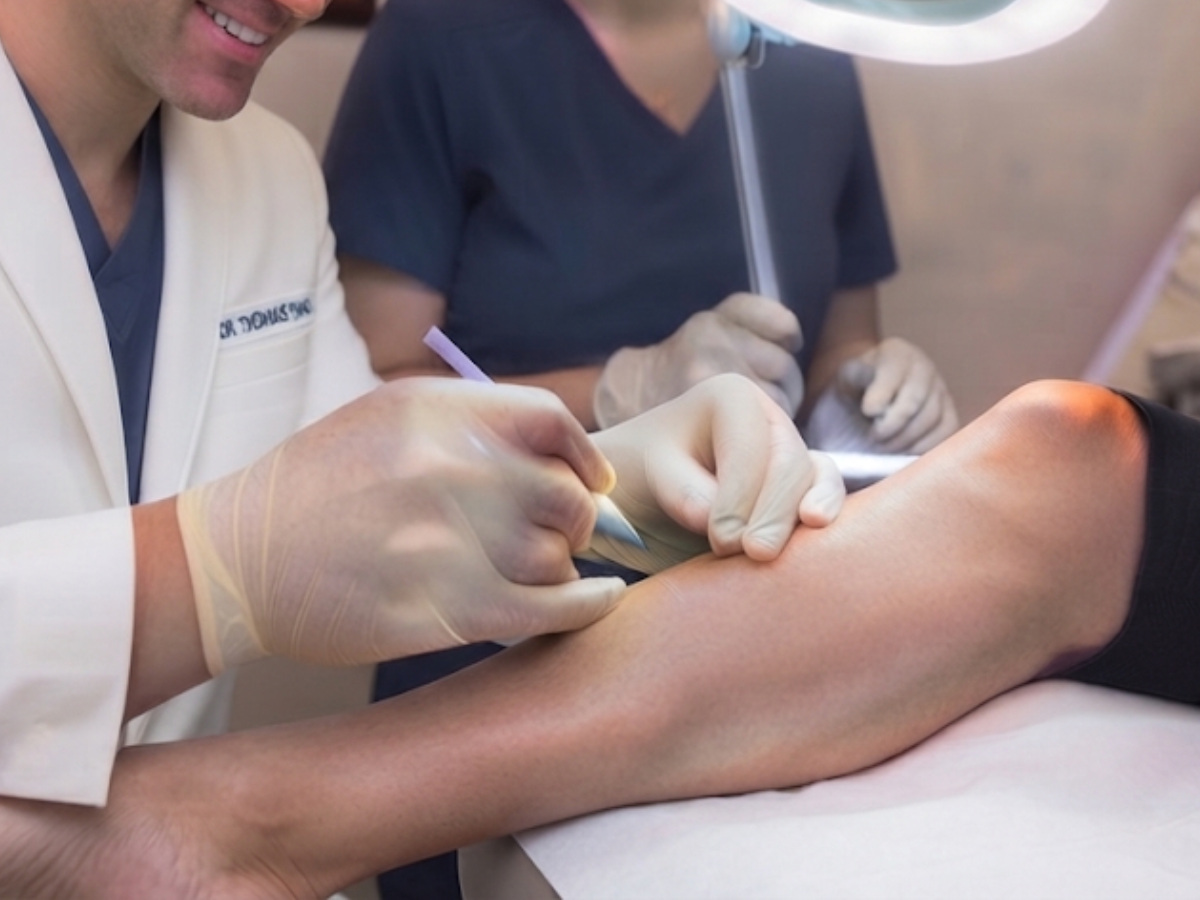
When people search for sclerotherapy near me, they are often looking for more than a treatment description. They want to understand how sclerotherapy works, what the treatment is designed to address, what the recovery process may involve, and what kind of improvement they might reasonably expect.
Sclerotherapy is a minimally invasive treatment commonly used for certain visible veins, including spider veins and some smaller varicose veins. The procedure involves injecting a solution into targeted veins, causing them to close so blood can reroute through other functioning veins.
While treatment can improve the appearance of treated veins, results vary from person to person. The number, size, and location of the veins, the underlying venous condition, the treatment approach, and individual healing can all influence the outcome.
At Sheen Vein (Aesthetics and Functional Medicine), patients can receive an evaluation for vein concerns and discuss whether sclerotherapy or another treatment option may be appropriate for their individual needs.
What Is Sclerotherapy?
Sclerotherapy is a minimally invasive procedure used to treat certain unwanted or abnormal veins.
During treatment, a healthcare provider injects a sclerosing solution into a targeted vein. The solution irritates the inside of the vein, causing it to close. Over time, the body gradually processes the treated vein while blood continues to flow through other functioning veins.
Sclerotherapy may be used for certain:
- Spider veins
- Small varicose veins
- Visible surface veins
- Other appropriately selected superficial veins
The treatment is not appropriate for every vein or every patient. A proper evaluation can help determine whether the visible veins are suitable for sclerotherapy or whether another treatment approach may be more appropriate.
Why Do People Consider Sclerotherapy for Varicose Veins?
Varicose veins are enlarged, twisted veins that commonly develop in the legs. For some people, they are primarily an appearance concern. For others, they may occur alongside symptoms such as aching, heaviness, swelling, itching, or discomfort.
One reason evaluation matters is that visible veins do not always tell the entire story.
Some visible veins may be associated with an underlying problem involving venous blood flow or reflux. If an underlying condition is contributing to the veins, treating only the visible surface veins may not address the source of the problem.
A vein evaluation can help determine what may be contributing to the veins and whether sclerotherapy is an appropriate treatment option.
What Does Sclerotherapy Treat?
Sclerotherapy is commonly associated with the treatment of visible surface veins. However, the appropriate use of the procedure depends on the characteristics of the veins being evaluated.
For certain patients, sclerotherapy may be considered for smaller visible veins or selected varicose veins.
The provider may consider factors such as:
- Vein size
- Vein location
- Vein appearance
- Symptoms
- Blood flow
- The presence of venous reflux
- Previous vein treatments
- Overall medical history
This individualized assessment is important because two people may have veins that look similar but have different underlying characteristics.
How Does Sclerotherapy Work?
Sclerotherapy works by introducing a solution into the targeted vein.
The solution irritates the inner lining of the vein. This causes the vein to close, after which the body gradually processes the treated vessel.
The blood that previously traveled through the treated vein can then be redirected through other functioning veins.
The process does not happen instantly. The appearance of treated veins may change gradually as the body responds to treatment.
For that reason, patients should not necessarily expect the final appearance of the treated area immediately after the procedure.
What Can Influence Sclerotherapy Results?
There is no single result that applies to every patient.
Several factors can affect how a treated vein responds and how quickly changes become noticeable.
Vein Size and Characteristics
Smaller surface veins may respond differently from larger veins. The size, location, and characteristics of the targeted veins can influence the treatment approach and expected response.
Underlying Venous Conditions
If an underlying venous condition is contributing to visible veins, addressing that issue may be an important part of the overall treatment plan.
This is why a professional evaluation can be important before focusing solely on the appearance of individual veins.
Number of Veins Being Treated
Some patients have a small number of visible veins, while others have multiple areas requiring evaluation and treatment.
The number and distribution of veins can affect the treatment plan and whether more than one treatment session may be appropriate.
Individual Healing
Patients can respond differently to treatment. The appearance of treated veins may change gradually, and individual healing can influence the timeline.
A provider can explain what changes may reasonably be expected based on the patient's specific circumstances.
What Do Sclerotherapy Results Look Like?
The goal of sclerotherapy is to reduce the appearance of appropriately selected treated veins.
However, it is important to understand that treatment results can vary.
Some patients may notice gradual improvement in the appearance of treated veins, while others may require additional treatment depending on the number and characteristics of the veins involved.
Results may also take time to become apparent. Immediately after treatment, the treated area may not look the same as it will after the body has had time to process the treated vein.
Rather than promising a specific cosmetic result, a qualified provider should explain what may be realistic based on the patient's individual evaluation.
Can Sclerotherapy Improve Symptoms?
Sclerotherapy is often discussed in relation to the appearance of visible veins, but some patients may also seek treatment because of symptoms associated with their veins.
Symptoms such as aching, heaviness, or discomfort may have different causes. Treatment should therefore be based on an appropriate evaluation rather than assuming that a visible vein is responsible for every symptom.
If symptoms suggest an underlying venous condition, additional evaluation may be appropriate before selecting a treatment.
The goal is to understand the condition being treated and choose an approach that fits the patient's specific circumstances.
What Happens During a Sclerotherapy Appointment?
Before treatment, the provider may review your medical history, symptoms, previous vein treatments, and concerns.
The targeted veins can then be evaluated to determine whether sclerotherapy is appropriate.
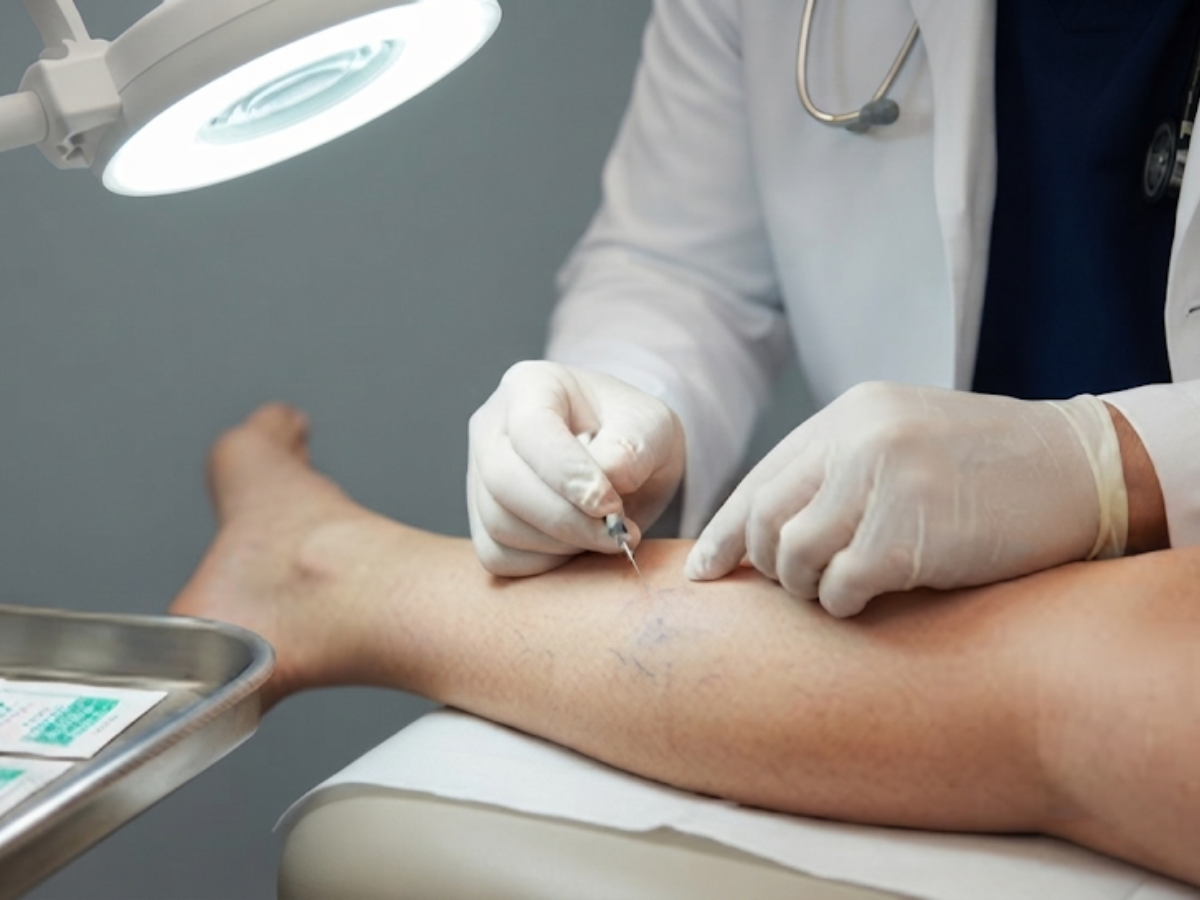
During the procedure, the provider uses a small needle to inject the sclerosing solution into selected veins.
The number of injections depends on the veins being treated and the treatment plan.
Because sclerotherapy is minimally invasive, it generally does not involve the type of surgical incision associated with traditional vein surgery.
Your provider can explain the procedure, expected sensations, aftercare instructions, and any activity recommendations before treatment.
Is Ultrasound Used With Sclerotherapy?
Ultrasound may be used when the provider needs to evaluate veins beneath the skin or guide treatment of veins that cannot be adequately assessed by visual examination alone.
Ultrasound-guided sclerotherapy allows the provider to use imaging to identify and target appropriate veins.
This can be particularly useful when evaluating veins associated with deeper venous structures or when the source of abnormal blood flow needs further assessment.
Whether ultrasound is appropriate depends on the patient's condition and the type of veins being evaluated.
What Is the Difference Between Visual and Ultrasound-Guided Sclerotherapy?
The two approaches differ primarily in how the targeted veins are identified during treatment.
Visual Sclerotherapy
Visual sclerotherapy involves identifying suitable surface veins by visual examination and injecting the treatment solution into the targeted vessels.
It may be considered for certain visible spider veins and other appropriately selected superficial veins.
Ultrasound-Guided Foam Sclerotherapy
Ultrasound-guided foam sclerotherapy uses ultrasound imaging to help locate and treat targeted veins.
This approach can provide additional information about veins beneath the skin and blood flow that may not be apparent through visual inspection alone.
The appropriate approach depends on the patient's vein anatomy, symptoms, and evaluation findings.
How Long Does It Take to See Sclerotherapy Results?
Results are not necessarily immediate.
After treatment, the body gradually processes the treated vein. The appearance of the area can therefore change over time rather than immediately following the procedure.
The timeline can vary depending on factors such as the size and characteristics of the treated veins and the individual's response to treatment.
Your provider can explain what changes to expect and when follow-up may be appropriate.
It is also important to understand that sclerotherapy treats targeted veins. It does not prevent new veins from developing in the future.
Can Varicose Veins Come Back After Treatment?
Treating a vein does not guarantee that new visible veins will never develop.
Varicose veins and other visible veins can be influenced by several factors, including the underlying venous system and individual circumstances.
A treated vein may respond appropriately, while other veins can become more noticeable over time.
This is one reason ongoing evaluation can be useful for patients who continue to experience vein-related symptoms or develop new visible veins.
Why Choose Sheen Vein for Sclerotherapy?
At Sheen Vein (Aesthetics and Functional Medicine), patients can discuss vein concerns with a provider who evaluates the characteristics of the veins and considers the individual's symptoms and treatment needs.
The practice offers vein-focused treatments, including visual sclerotherapy and ultrasound-guided foam sclerotherapy.
Dr. Vidal Sheen's professional credentials include Internal Medicine board certification, along with RVT and RPVI credentials. His professional background also includes training and experience in phlebology.
Rather than assuming that the same procedure is appropriate for everyone, an evaluation can help determine whether sclerotherapy or another treatment approach may be suitable for the specific veins being considered.
Frequently Asked Questions
Is sclerotherapy painful?
Patients may experience sensations such as a brief pinch, pressure, or discomfort during injections. Individual experiences vary depending on the number and location of injections and personal sensitivity. Your provider can explain what you may experience during the procedure and how discomfort is typically managed.
How many sclerotherapy treatments will I need?
The number of treatments varies based on the size, location, and characteristics of the veins being treated, as well as how many areas require treatment. A provider can recommend a treatment approach after evaluating your veins and discussing your goals.
How quickly will I see results from sclerotherapy?
Sclerotherapy results generally develop gradually rather than immediately. The body needs time to process the treated vein, and the timeline varies between patients. Your provider can explain what changes you may notice and when a follow-up evaluation may be appropriate.
Can sclerotherapy treat all varicose veins?
No. Sclerotherapy is not appropriate for every type or size of varicose vein. The suitability of treatment depends on factors such as vein characteristics, blood flow, symptoms, and any underlying venous condition. A professional evaluation can help determine whether sclerotherapy is appropriate.
Can I develop new veins after sclerotherapy?
Yes. Sclerotherapy treats the targeted veins but does not guarantee that new visible veins will not develop. New veins may become noticeable over time depending on individual factors and underlying venous conditions.
What is ultrasound-guided sclerotherapy?
Ultrasound-guided sclerotherapy uses ultrasound imaging to help identify and target appropriate veins during treatment. It can provide information about veins beneath the skin and blood flow that may not be visible during a surface examination.
Find Sclerotherapy Treatment in St. Louis
If you have been searching for sclerotherapy near me, choosing a qualified provider is an important part of the process. A proper evaluation can help determine whether sclerotherapy is appropriate for your varicose veins or whether another treatment approach may be more suitable.
At Sheen Vein (Aesthetics and Functional Medicine), patients can discuss their vein concerns, treatment goals, and available options with a qualified medical professional.
Located at 11144 Tesson Ferry Rd. #100, St. Louis, MO 63123, the practice provides vein-focused care for patients in St. Louis and surrounding communities.
Sheen Vein (Aesthetics and Functional Medicine)
11144 Tesson Ferry Rd #100, St. Louis, MO 63123
sheenveinandcosmetics.com
Explore Sclerotherapy Treatment Options
- Book an Appointment – Schedule a consultation to discuss your vein concerns, evaluation options, and whether sclerotherapy may be appropriate for you.
- Contact Now – Contact the office with questions about sclerotherapy, vein evaluation, treatment options, or the consultation process.