What Is Radiofrequency Ablation? A Patient's Guide
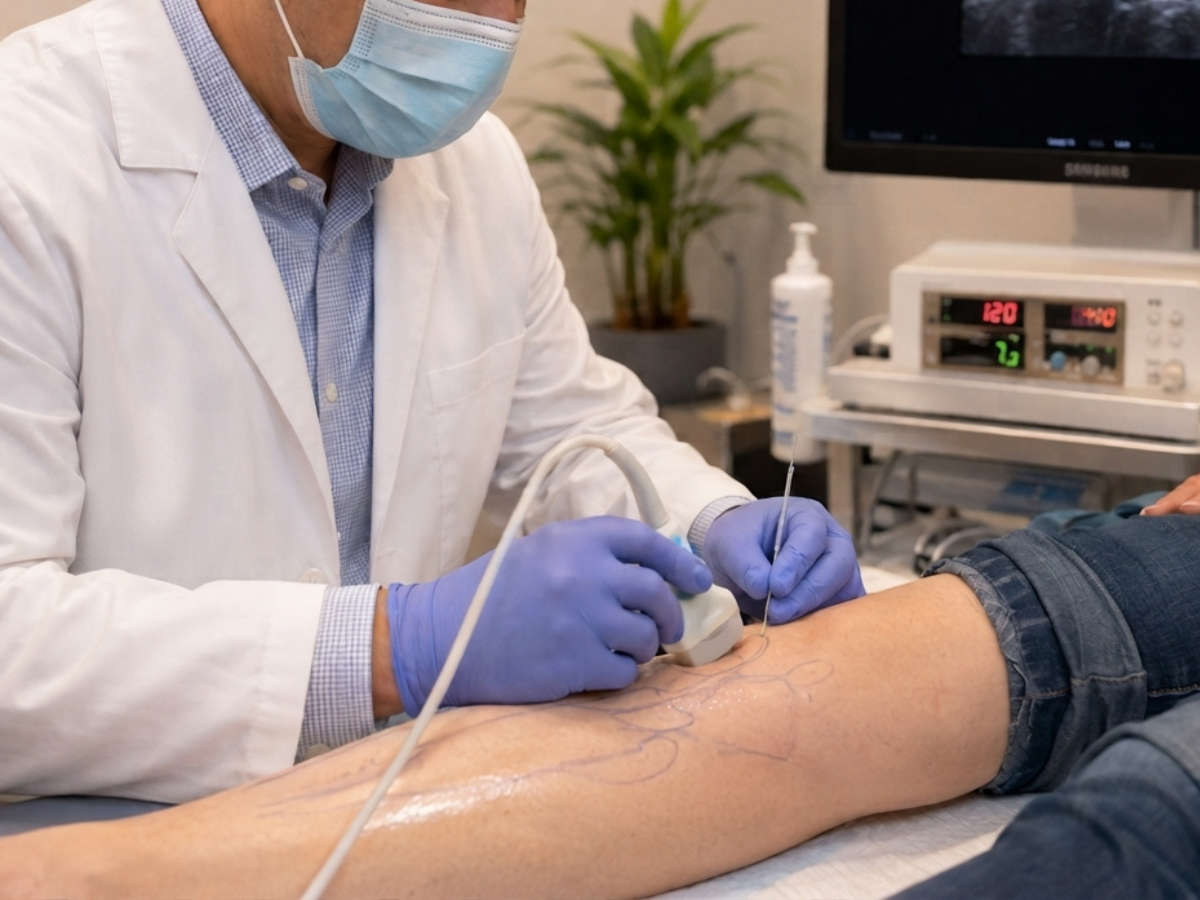
If varicose veins cause aching, swelling, heaviness, or visible bulging, radiofrequency ablation may be a treatment option worth discussing with a vein specialist. At Sheen Vein (Aesthetics and Functional Medicine), patients can learn whether this minimally invasive procedure may be appropriate for their specific vein condition. Using controlled heat, the procedure closes the targeted vein, allowing blood to continue flowing through other functioning veins in the leg.
This guide explains how the procedure works, who may be a candidate, what recovery can involve, and how RFA compares with other treatments for varicose veins.
What Is Radiofrequency Ablation?
Radiofrequency ablation, commonly called RFA, is a minimally invasive procedure used to treat certain veins affected by venous reflux.
Venous reflux occurs when the valves inside a vein do not work properly, allowing blood to flow backward and collect in the legs. Over time, this can contribute to symptoms and visible varicose veins.
During the procedure, a thin catheter is inserted into the affected vein. Controlled radiofrequency energy heats the inside of the vein, causing the vein walls to close.
Once the treated vein closes, blood can continue circulating through other veins that carry blood back toward the heart.
Unlike traditional vein stripping, RFA does not require surgical removal of the treated vein. It is generally performed through a small access point and can often be completed in an outpatient setting.
How Are Varicose Veins Related to Venous Reflux?
Understanding the connection between venous reflux and varicose veins can help explain why a procedure such as RFA may be recommended.
Healthy leg veins contain small valves that help direct blood upward toward the heart. When those valves become weakened or damaged, they may not close properly.
Blood can then move backward and pool within the veins.
This increased pressure may contribute to:
- Bulging or twisted varicose veins
- Leg aching or throbbing
- A feeling of heaviness or fatigue
- Swelling around the ankles or lower legs
- Burning or itching
- Skin discoloration
- Symptoms that become worse after standing
Varicose veins are not always simply a cosmetic concern. For some people, they are associated with an underlying circulation problem that may require medical evaluation.
That is why treating visible veins without first determining what is happening underneath the skin may not address the source of the problem.
When Is This Treatment Used for Varicose Veins?
RFA may be considered when an evaluation identifies venous reflux in a vein that is appropriate for endovenous treatment.
A vein specialist may recommend an evaluation if you experience:
- Persistent leg aching
- Swelling that increases throughout the day
- Leg heaviness or fatigue
- Bulging varicose veins
- Burning or itching around affected veins
- Skin changes near the lower legs
- Discomfort after prolonged standing
- Symptoms that interfere with everyday activities
However, having varicose veins does not automatically mean that RFA is necessary.
Some patients may be better suited to another treatment, depending on the size and location of the veins, the pattern of reflux, ultrasound findings, symptoms, and other individual factors.
The purpose of an evaluation is to determine why the varicose veins are present and which treatment, if any, may be appropriate for your condition.
How Does Radiofrequency Ablation Work?
RFA uses controlled heat to close a problem vein from inside the vessel.
Although the exact technique can vary, treatment generally follows several steps.
1. The vein is evaluated with ultrasound
Ultrasound helps identify the affected vein and allows the clinician to observe blood flow.
This can be important because a vein visible on the surface of your leg may not be the source of the underlying reflux.
2. The treatment area is numbed
Local anesthesia is administered around the treatment area to help maintain comfort during the procedure.
3. A small catheter is inserted
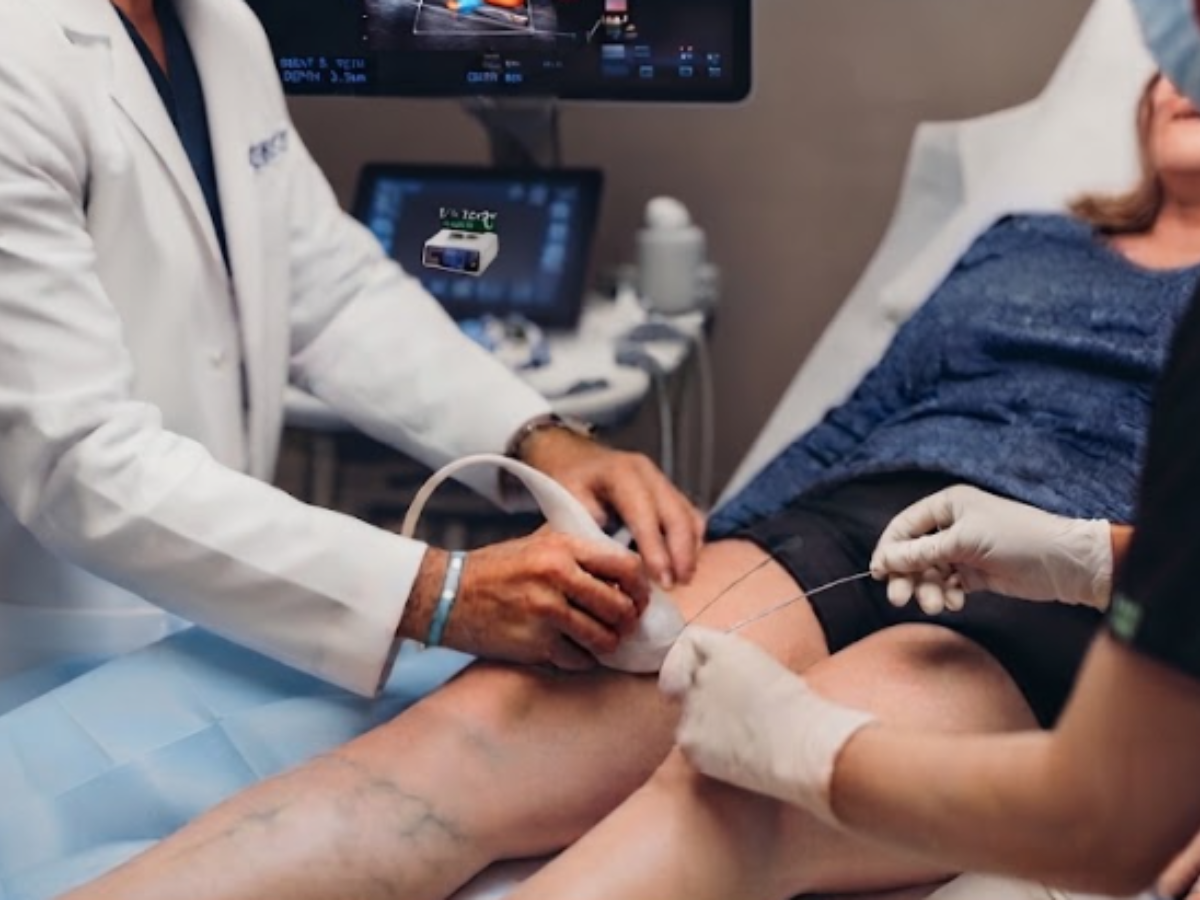
A thin catheter is guided into the affected vein, typically using ultrasound for accurate placement.
4. Radiofrequency energy is delivered
Controlled radiofrequency energy heats the vein wall.
5. The vein closes
The treated portion of the vein contracts and closes.
6. Blood reroutes through healthier veins
Blood continues flowing through other functioning veins in the leg.
The body gradually processes the closed vein as part of the normal healing process.
Why Is Ultrasound Important Before Varicose Vein Treatment?
If you are searching for a “vein doctor near me” because of varicose veins, one important part of an evaluation is looking beyond the veins that are visible on the surface of the skin.
A duplex ultrasound can help examine blood flow within the veins and identify areas where blood may be flowing in the wrong direction, which is known as venous reflux.
An ultrasound evaluation may help a vein specialist assess:
- Which veins may be affected
- Where abnormal blood flow may be occurring
- The direction of blood flow
- The extent of the venous problem
- Whether the procedure may be appropriate
- Whether another treatment may be more suitable
This distinction matters because the most visible varicose vein is not always the source of the underlying venous problem.
A comprehensive evaluation can give your provider a better understanding of your vein condition before a treatment plan is recommended.
Is the Procedure Painful?
Pain is one of the most common concerns people have before undergoing vein treatment.
The procedure is performed using local anesthesia to help keep you comfortable. You may notice a brief pinch when the anesthetic is administered, followed by pressure or other sensations during treatment.
Afterward, some patients may experience temporary:
- Tenderness
- Bruising
- Mild soreness
- Tightness along the treated vein
The level of discomfort can vary from person to person and may depend on the vein being treated and individual sensitivity.
Your vein specialist can explain what you may feel during and after the procedure and provide specific instructions for managing normal discomfort during recovery.
The goal is to make the procedure as comfortable as possible while appropriately treating the affected vein.
How Effective Is the Treatment?
RFA may be effective for certain veins affected by venous reflux, but treatment results can vary from one patient to another. RFA is not intended to treat every type of varicose vein, and the outcome depends on the specific veins involved and the underlying cause of your symptoms.
Factors that may affect treatment and recovery include:
- The vein being treated
- Your individual vein anatomy
- The location and severity of venous reflux
- Whether other veins are also affected
- Your medical history
- The treatment approach used
- Your follow-up care
A proper vein evaluation can help determine whether this treatment is appropriate for your condition and what you may reasonably expect from the procedure.
The goal is not simply to close a visible vein. It is to address the vein contributing to the underlying problem while selecting an approach that fits your individual needs.
Radiofrequency Ablation vs. Other Varicose Vein Treatments
RFA is one of several treatments that may be considered for varicose veins and venous reflux. The right option depends on the veins involved, the cause of your symptoms, ultrasound findings, and your individual needs.
A vein specialist may discuss RFA, endovenous laser treatment, sclerotherapy, or another approach based on your evaluation.
RFA vs. Endovenous Laser Treatment
RFA and endovenous laser treatment are both minimally invasive procedures that use thermal energy to close certain problem veins.
The main difference is the type of energy used:
- RFA: Uses radiofrequency energy to heat and close the affected vein.
- Endovenous laser treatment: Uses laser energy to heat and close the affected vein.
Both procedures use a thin catheter that is guided into the targeted vein. Once the vein is closed, blood can continue flowing through other healthy veins.
Neither treatment is automatically right for every patient. Your vein anatomy, ultrasound findings, symptoms, and medical history can all influence which option may be appropriate.
RFA vs. Sclerotherapy
Sclerotherapy works differently from RFA.
During sclerotherapy, a solution is injected into a targeted vein to cause it to close. Depending on the size and characteristics of the vein, sclerotherapy may be considered for certain varicose veins or spider veins.
RFA uses a catheter and controlled radiofrequency energy to close an appropriate vein from within.
Because the two treatments work differently, they may be recommended for different types of veins. In some situations, more than one treatment may be included in a patient's overall vein care plan.
What Is Recovery Like After RFA?
RFA is minimally invasive, and recovery involves different considerations than traditional surgical vein stripping.
Your exact instructions will depend on the procedure performed and your individual circumstances.
You may be advised to:
- Walk shortly after treatment
- Avoid sitting or standing in one position for extended periods
- Wear compression if prescribed
- Keep the treatment area clean
- Take medications only as directed
- Attend recommended follow-up appointments
Some bruising, soreness, or tightness can occur during the early recovery period.
Walking is commonly encouraged after endovenous treatment, but your treating clinician should provide specific instructions regarding exercise, work, driving, and other activities.
Even when recovery is relatively straightforward, follow-up remains important. Your provider may recommend additional evaluation to assess healing and the treated vein.
What Are the Risks of This Treatment?
RFA is minimally invasive, but like any medical procedure, it may involve certain risks and side effects.
Some patients may experience temporary:
- Bruising
- Tenderness or soreness
- Swelling
- Changes in skin sensation
- Irritation or inflammation along the treated vein
- Tightness around the treatment area
Less common complications may also occur, including blood clots or irritation involving nearby nerves or tissue.
The likelihood of experiencing a complication can vary depending on your individual health, vein anatomy, the area being treated, and other factors.
Before treatment, your vein specialist should explain the potential benefits and risks of the procedure and provide instructions for your recovery.
After the procedure, follow the care instructions provided by your medical team. If you develop unusual or severe symptoms, such as significant swelling, severe pain, chest discomfort, or difficulty breathing, contact your healthcare provider or seek appropriate medical attention promptly.
Who May Be a Candidate for This Treatment?
RFA may be appropriate when a vein evaluation identifies reflux in a vein that is suitable for endovenous ablation.
You may want to consider a professional vein evaluation if you have varicose veins accompanied by:
- Persistent aching
- Leg heaviness
- Swelling
- Burning or itching
- Bulging veins
- Symptoms that become worse after standing
- Skin changes around the lower leg
- Discomfort that affects your daily activities
However, visible varicose veins alone do not determine whether RFA is appropriate.
Depending on your condition, other options may include:
- Endovenous laser treatment
- Ultrasound-guided sclerotherapy
- Visual sclerotherapy
- Microphlebectomy
- Compression
- Observation and monitoring
Treatment should be based on the underlying vein problem, your symptoms, and evaluation findings rather than appearance alone.
Is This Treatment Used for Spider Veins?
RFA is generally used for larger problem veins associated with venous reflux rather than small spider veins.
Spider veins are small blood vessels that appear close to the surface of the skin. Depending on their size and characteristics, treatments such as sclerotherapy may be considered.
If your main concern is spider veins, a professional evaluation can help determine whether they are isolated surface vessels or whether an underlying venous problem may also be present.
Understanding the difference between spider veins and varicose veins can help you discuss appropriate treatment options with a vein specialist.
Can Varicose Veins Return After Treatment?
The treated vein is closed during the procedure, but this does not guarantee that you will never develop varicose veins in the future.
Varicose veins can involve multiple veins, and changes in other veins may occur over time. In some cases, a treated vein may also reopen after the procedure.
This is why follow-up can be an important part of ongoing vein care. Your provider can assess your symptoms and determine whether additional evaluation or treatment may be needed.
If new varicose veins appear after treatment, it does not necessarily mean that the original procedure was unsuccessful.
Another vein may be contributing to your symptoms, or changes may have developed elsewhere in the venous system. A follow-up evaluation can help determine what may be causing new or ongoing symptoms.
Why Experience Matters When Choosing a Vein Specialist
Choosing a provider for varicose vein treatment involves more than finding a clinic that offers RFA.
You want a physician who understands venous disease, can interpret the findings from your evaluation, and can explain why one treatment may be appropriate while another may not be.
Dr. Vidal Sheen's Vein Expertise
Vidal Sheen, M.D., RVT, RPVI, is board-certified in Internal Medicine and has specialized training and experience in phlebology. His medical background includes training at the University of Louisville School of Medicine, followed by internship and residency training at Barnes-Jewish Hospital in St. Louis.
According to Sheen Vein, Dr. Sheen has more than 20 years of experience in medicine, including phlebology, facial aesthetics, and regenerative medicine. His credentials also include Registered Vascular Technologist (RVT) and Registered Physician Vascular Interpreter (RPVI).
His background in phlebology is particularly relevant to patients seeking evaluation for varicose veins and other venous conditions.
When considering vein treatment, an appropriate evaluation looks beyond the appearance of visible veins. Symptoms, circulation, vein anatomy, and evaluation findings can all help determine whether a particular treatment may be appropriate for your condition or whether another option may be more suitable.
RFA for Varicose Veins in St. Louis
For patients in St. Louis, Green Park, and surrounding communities, finding an experienced vein specialist can provide an opportunity to have persistent vein symptoms properly evaluated.
Aching, heaviness, swelling, or bulging veins can sometimes indicate an underlying venous condition rather than a cosmetic concern alone.
Located at 11144 Tesson Ferry Rd. #100, St. Louis, MO 63123, the practice offers vein-focused treatments that include endovenous laser treatment, ultrasound-guided foam sclerotherapy, and visual sclerotherapy.
If you are considering treatment for venous reflux or varicose veins, a professional evaluation can help determine which approach may be appropriate based on your symptoms, vein anatomy, and individual needs.
Questions to Ask Your Vein Doctor About RFA
A consultation is a good opportunity to understand your vein condition, evaluation findings, and treatment options.
Consider asking:
- Which vein may be contributing to my reflux?
- What did my ultrasound show?
- Why is RFA being recommended for my condition?
- Are there other treatments that may be appropriate?
- What should I expect during recovery?
- Will I need follow-up imaging?
- Could other veins be contributing to my symptoms?
- What symptoms should prompt me to contact the office?
These questions can help you understand not only what treatment is being recommended, but why it may be appropriate for your specific vein condition.
Frequently Asked Questions
Is RFA painful?
RFA is performed with local anesthesia to help keep the procedure comfortable. You may notice a brief pinch during numbing and some pressure during treatment. Mild soreness, bruising, or tenderness may occur afterward.
How long does the procedure take?
Treatment time varies depending on the vein being treated and your individual circumstances. RFA is minimally invasive and commonly performed as an outpatient procedure. Your vein specialist can explain how long your specific treatment is expected to take and what to expect afterward.
What happens to the vein after treatment?
The treated vein closes after controlled radiofrequency energy is delivered through the catheter. Blood can then continue circulating through other healthy veins. The body gradually processes the closed vein during the healing process.
Is RFA safe for varicose veins?
RFA may be an appropriate minimally invasive treatment for certain patients with venous reflux. Like any medical procedure, it may involve risks such as bruising, inflammation, temporary changes in sensation, or other complications. Your physician can discuss the potential benefits and risks based on your individual condition.
Is RFA better than laser treatment?
Neither treatment is automatically better for every patient. Both use thermal energy to close certain problem veins, but they use different energy sources. Your ultrasound findings, vein anatomy, symptoms, and medical history can help determine which option may be appropriate.
Can you walk after treatment?
Walking is commonly encouraged following endovenous treatment, but your exact activity instructions should come from your treating clinician. Follow the guidance provided regarding walking, exercise, work, driving, and compression.
When Should You See a Vein Doctor?
You do not necessarily need to wait until varicose veins become severely painful before seeking an evaluation.
Consider speaking with a vein specialist if you regularly experience:
- Aching or heaviness in your legs
- Swelling that becomes worse throughout the day
- Bulging or twisted veins
- Burning or itching around visible veins
- Symptoms that worsen after prolonged standing
- Skin discoloration around your ankles
- Vein-related discomfort that interferes with daily activities
An evaluation can help determine whether your symptoms may be related to venous reflux and whether treatment is appropriate.
Is Radiofrequency Ablation Right for You?
RFA is a minimally invasive treatment that uses controlled radiofrequency energy to close certain problem veins associated with venous reflux.
For an appropriate patient, RFA can provide an alternative to traditional surgical vein removal. However, the important question is not simply whether a treatment works. It is whether RFA is appropriate for your specific vein condition.
That determination begins with a proper evaluation of your symptoms, medical history, vein anatomy, and blood flow.
If you are in St. Louis or a nearby community and are experiencing varicose veins, leg swelling, heaviness, or persistent discomfort, Sheen Vein (Aesthetics and Functional Medicine) can help you discuss your symptoms and available treatment options with a medical professional.
Schedule a consultation to learn whether RFA or another vein treatment may be appropriate for you.
Sheen Vein (Aesthetics and Functional Medicine)
11144 Tesson Ferry Rd #100, St. Louis, MO 63123
sheenveinandcosmetics.com
Ready to Discuss Your Concerns?
- Book an Appointment – Schedule a consultation to discuss your vein symptoms, learn whether RFA or another treatment may be appropriate, and review your options with a vein specialist.
- Contact Now – Have questions about varicose veins, treatment options, or the consultation process? Reach out to discuss your concerns and learn what to expect before your appointment.