What to Expect During Sclerotherapy Treatment
If you're considering sclerotherapy near me, it's natural to have questions before scheduling treatment. You may be wondering how the procedure works, whether it's uncomfortable, how long recovery takes, or when you'll begin to notice results. Understanding what happens before, during, and after treatment can help you feel more prepared for your appointment.
Sclerotherapy has become a commonly recommended treatment for spider veins and certain small varicose veins because it is minimally invasive and typically performed in an outpatient setting. While the procedure itself is relatively straightforward, every patient begins with an evaluation to determine whether it is the most appropriate option based on their symptoms, medical history, and overall vein health.
At Sheen Vein (Aesthetics and Functional Medicine), each consultation focuses on identifying the cause of your vein concerns before recommending treatment. Patients throughout Green Park, South County, and the greater St. Louis area receive individualized evaluations and personalized care plans designed to address their specific needs.
What Is Sclerotherapy?
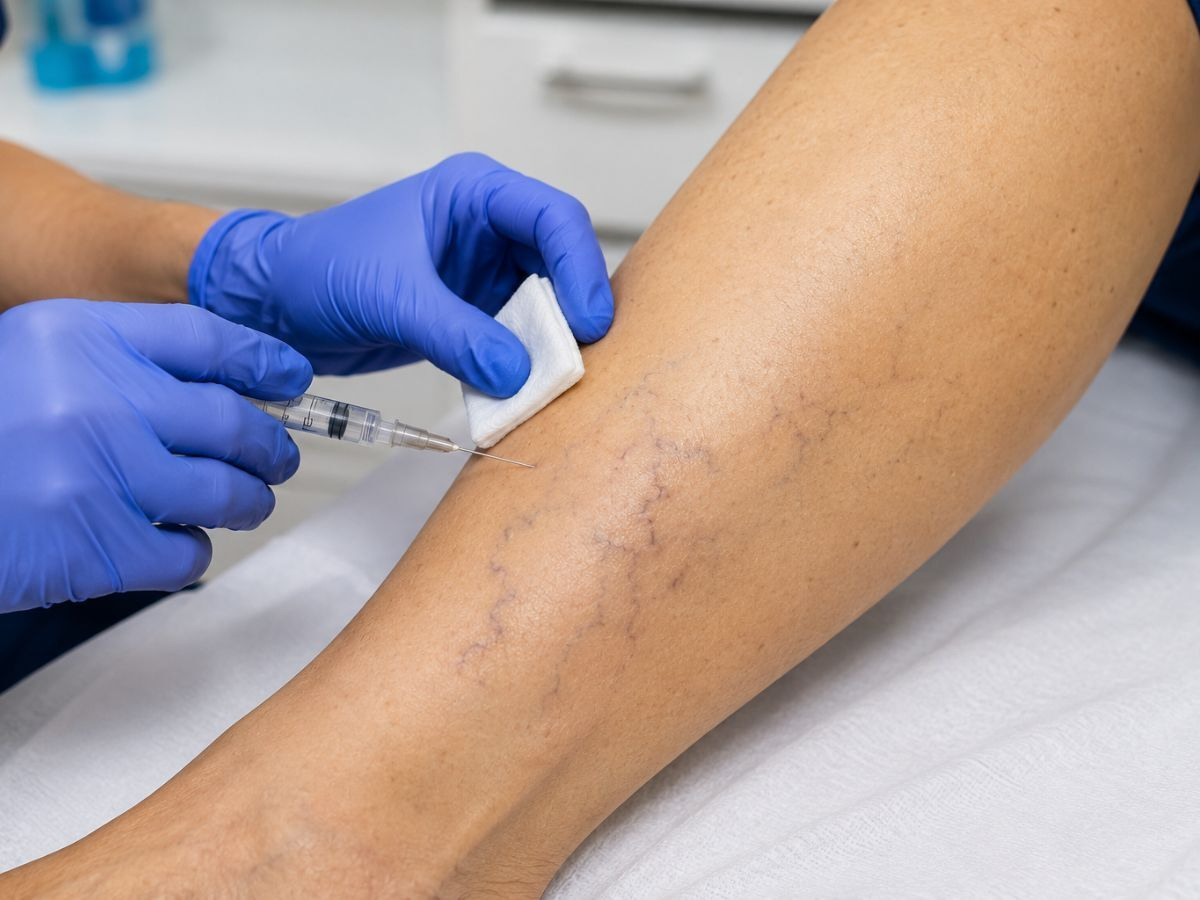
Sclerotherapy is a minimally invasive procedure used to treat spider veins and certain small varicose veins. During treatment, a specialized solution is injected into the affected vein, causing it to gradually close. Over time, the treated vein is naturally absorbed by the body, making it less noticeable.
Because blood is redirected to healthier veins, circulation continues through unaffected vessels while the treated vein gradually fades.
The procedure has been used for many years and remains one of the most common treatment options for small visible veins.
Who May Benefit from Sclerotherapy?
Sclerotherapy may be recommended if you have:
- Spider veins on your legs
- Small varicose veins
- Visible veins that affect your confidence
- Mild discomfort associated with small surface veins
Not everyone with visible veins is a candidate for this procedure. A comprehensive evaluation helps determine whether sclerotherapy is appropriate or if another treatment may better address your condition.
Conditions Commonly Treated
Sclerotherapy is commonly used to treat:
- Spider veins
- Reticular veins
- Certain small varicose veins
- Visible surface veins
If larger veins or underlying venous reflux are present, your provider may recommend a different treatment approach or a combination of therapies.
What Happens Before Treatment?
Before recommending sclerotherapy, your provider will perform a comprehensive evaluation to understand your symptoms and determine whether this procedure is appropriate for your condition.
Every consultation begins with understanding your concerns and identifying the cause of your visible veins before discussing treatment options.
Your appointment may include:
- A review of your medical history
- Discussion of your symptoms
- Physical examination
- Evaluation of visible veins
- Duplex ultrasound, if needed
- Discussion of your treatment goals
If an underlying vein condition is identified, your provider may recommend a different procedure or a combination of treatments.
How to Prepare for Your Appointment
Preparing for your appointment can help your visit go more smoothly.
Your provider may recommend:
- Wearing comfortable, loose-fitting clothing
- Bringing a list of current medications
- Sharing your complete medical history
- Discussing previous vein treatments
- Asking questions about the procedure and recovery
Following any instructions provided before your appointment helps ensure the evaluation is as thorough as possible.
What Happens During Sclerotherapy?
The procedure is performed in the office and typically takes less than an hour, although the exact treatment time depends on the number and size of the veins being treated.
During the procedure:
- The treatment area is cleaned.
- A very small needle is used to inject a specialized solution into the affected vein.
- The solution causes the vein walls to close.
- Blood naturally redirects through healthier veins.
- Compression may be applied after the injections are complete.
Depending on your treatment plan, multiple veins may be treated during the same visit.
Does Sclerotherapy Hurt?
Most patients tolerate the procedure well.
You may feel:
- A brief pinch from the needle
- Mild burning or stinging during the injection
- Temporary tenderness afterward
These sensations are generally short-lived and vary from person to person.
Your provider will explain what to expect before treatment and answer any questions you have about your comfort during the procedure.
Recovery After Sclerotherapy
One reason many people choose this treatment is that recovery is generally straightforward.
After your appointment, your provider may recommend:
- Walking regularly
- Wearing compression stockings if advised
- Avoiding strenuous exercise for a short period
- Limiting prolonged sun exposure on treated areas
- Attending any recommended follow-up appointments
Because every patient is different, you should follow the specific instructions provided after your procedure.
When Will You See Results?
Results develop gradually rather than immediately.
Many treated veins begin fading over the following weeks, while larger veins may take longer to improve. Depending on the extent of your vein concerns, more than one treatment session may be recommended to achieve your desired outcome.
Your provider will discuss realistic expectations during your consultation and explain whether additional sessions may be beneficial.
Possible Side Effects
Like many minimally invasive procedures, sclerotherapy may involve temporary side effects.
These can include:
- Mild bruising
- Temporary swelling
- Redness near the injection site
- Tenderness
- Temporary skin discoloration
Most side effects improve as the treated area heals. If you have concerns after your procedure, contact your provider for guidance.
Can Sclerotherapy Be Combined With Other Treatments?
Yes. In some cases, sclerotherapy may be one part of a broader treatment plan.
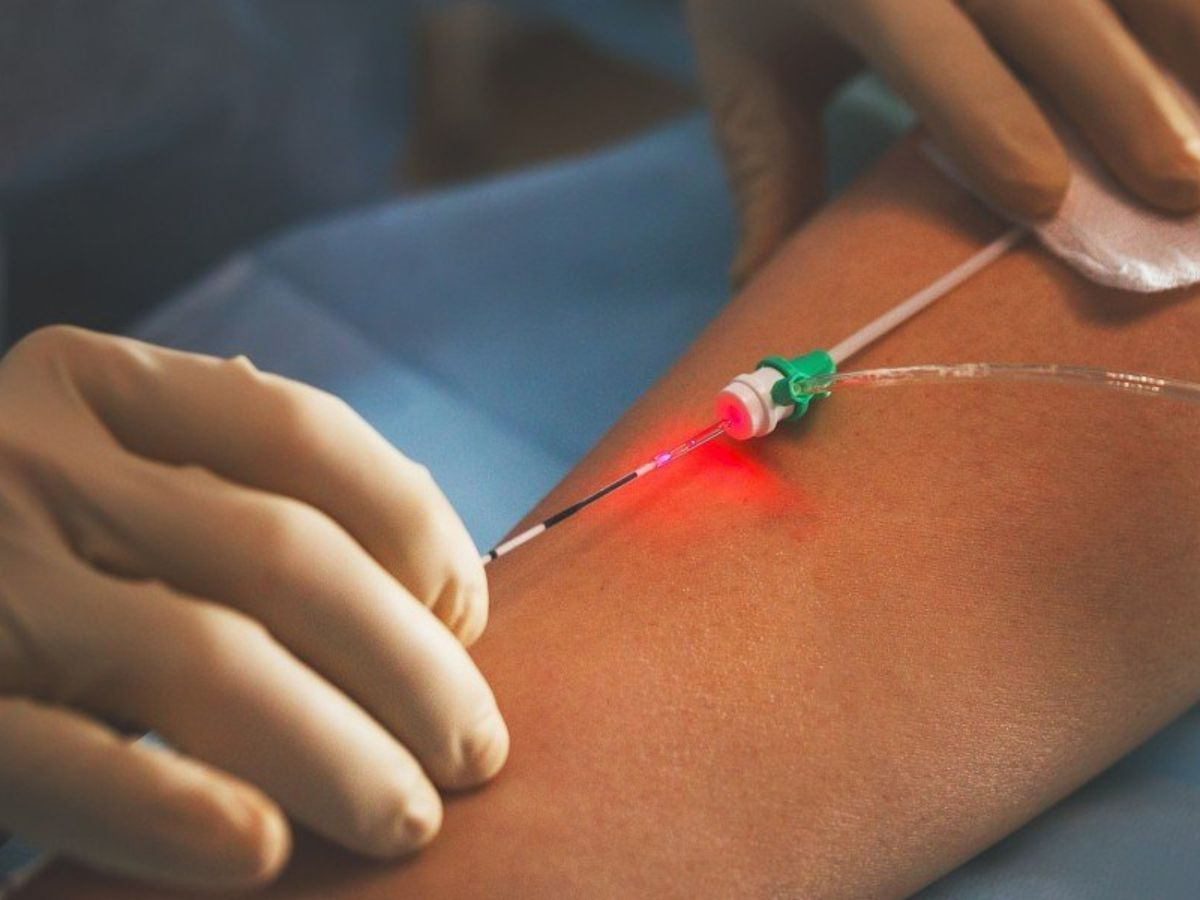
If your evaluation identifies larger varicose veins or underlying venous reflux, your provider may recommend additional procedures before or alongside sclerotherapy. The goal is to address both the visible veins and any underlying conditions contributing to their development.
Treatment recommendations are based on your diagnosis rather than using the same approach for every patient.
Why Choose Sheen Vein (Aesthetics and Functional Medicine)?
Every vein condition deserves an individualized approach, especially when determining whether sclerotherapy is the most appropriate treatment. A comprehensive evaluation helps identify the veins that can be treated effectively while considering your symptoms, medical history, and long-term vein health.
Treatment recommendations are based on a careful assessment rather than a one-size-fits-all approach. From your initial consultation through follow-up care, the focus remains on helping you understand the procedure, setting realistic expectations, and supporting a smooth recovery.
Serving Green Park, South County, Affton, Mehlville, Oakville, and the greater St. Louis area, the practice provides comprehensive vein evaluations and minimally invasive treatment options from its office at 11144 Tesson Ferry Rd #100, St. Louis, MO 63123.
Frequently Asked Questions
How long does a sclerotherapy appointment take?
Most appointments are completed in less than an hour, although the exact length depends on the number and size of the veins being treated. Your provider will explain what to expect during your consultation.
How many treatments will I need?
The number of sessions varies from person to person. Some patients achieve their desired results after one treatment, while others may benefit from multiple sessions depending on the extent of their vein concerns and treatment goals.
Can I walk after sclerotherapy?
Yes. Walking is commonly encouraged after treatment because it supports healthy circulation. Your provider will give you specific activity recommendations based on your individual treatment plan.
When can I return to normal activities?
Many patients return to their usual daily activities shortly after treatment. However, your provider may recommend temporarily avoiding strenuous exercise or other activities while the treated areas heal.
Is sclerotherapy covered by insurance?
Coverage depends on the reason for treatment and your individual insurance plan. If the procedure is recommended to treat a medically necessary vein condition, insurance may cover part or all of the cost. Your provider can help explain your benefits before treatment begins.
Who is a good candidate for sclerotherapy?
Many people with visible spider veins or certain small varicose veins may be candidates for this procedure. A comprehensive evaluation helps determine whether sclerotherapy is the most appropriate treatment or if another option may better address your condition.
What You Can Expect From Sclerotherapy
Choosing sclerotherapy near me begins with understanding the treatment process, recovery expectations, and whether the procedure is appropriate for your individual needs.
From your initial evaluation to follow-up care, every step is designed to identify the cause of your vein concerns and recommend treatment based on your symptoms, diagnosis, and goals. If you've been searching for a vein clinic near me, selecting a provider that offers comprehensive evaluations and personalized treatment planning can help you feel more confident about your care.
Learning what happens before, during, and after the procedure allows you to make informed decisions and prepare for a smoother treatment experience.
Sheen Vein (Aesthetics and Functional Medicine)
11144 Tesson Ferry Rd #100, St. Louis, MO 63123
sheenveinandcosmetics.com
Ready to Learn More About Sclerotherapy?
- Book an Appointment – Schedule a consultation to discuss your vein concerns, determine whether sclerotherapy is an appropriate treatment option, and receive a personalized care plan based on your symptoms and treatment goals.
- Contact Now – Reach out today to ask questions about the sclerotherapy procedure, recovery, expected results, insurance coverage, and what to expect during your consultation before scheduling your appointment.