Low Libido in St. Louis: Understanding Hormones, Stress, Energy, and the Biology Behind Sexual Desire
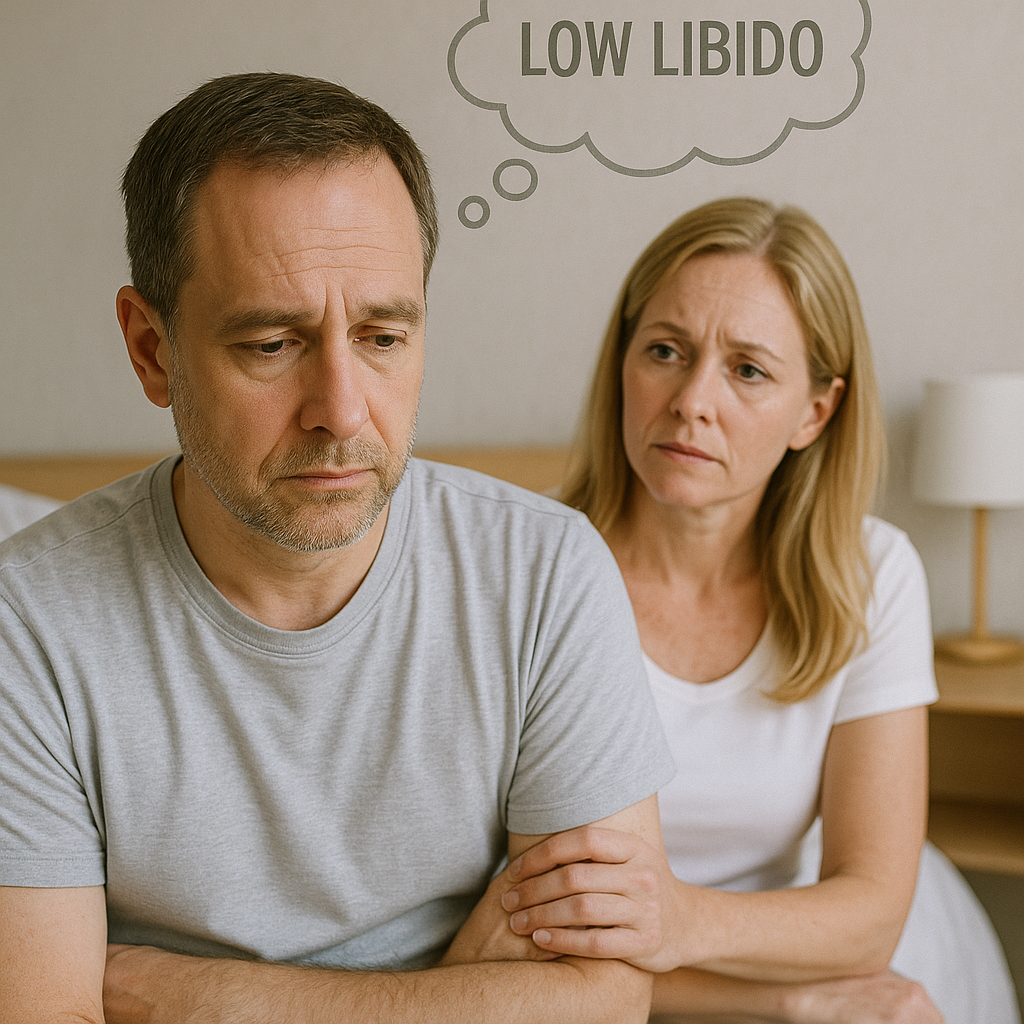
Introduction: Low Libido Is Not “Just in Your Head” — It’s Physiological
Many patients feel embarrassed to discuss low libido.
They whisper it. They hesitate. They downplay it.
But low libido is not a personality issue or a moral flaw—it is a clinical symptom with multiple possible causes.
Patients often tell us:
“I want to want intimacy… but I just don’t.”
Understanding sexual desire means understanding hormones, stress, sleep, inflammation, circulation, metabolism, and emotional health. Libido is a reflection of overall well-being.
Internal link prompt:
Learn more about hormonal and functional wellness at Sheen Vein Aesthetics & Functional Medicine.
Section 1: Libido Is Not Just Hormonal — It’s Multi-Systemic
Libido is influenced by:
- Hormones
- Brain chemistry
- Stress
- Emotional connection
- Energy levels
- Sleep quality
- Vascular health
- Nervous system balance
Low libido is a sign the body is overwhelmed or imbalanced.
Section 2: Low Libido in Women — Common Causes
1. Hormonal Changes
Declines in estrogen, progesterone, and testosterone influence desire, arousal, lubrication, and responsiveness.
2. Perimenopause & Menopause
Fluctuations can profoundly change libido.
3. Stress & Cortisol
Cortisol suppresses reproductive hormones.
4. Fatigue
Low energy becomes low desire.
5. Pain or Discomfort
When intimacy becomes uncomfortable, the mind shifts into avoidance.
6. Emotional or Relationship Stress
Connection is part of desire.
Section 3: Low Libido in Men — Common Causes
1. Low Testosterone
The most common hormonal driver of low libido in men.
2. Stress
High cortisol competes with testosterone.
3. Poor Sleep
Testosterone is produced during deep sleep.
4. Metabolic Dysfunction
Insulin resistance reduces hormone production.
5. Vascular Health
Blood flow directly influences arousal.
Section 4: Shared Causes in Both Men and Women
1. Chronic Stress
Cortisol reduces sex hormones.
2. Depression or Low Mood
Brain chemistry affects desire.
3. Fatigue
Libido cannot thrive with low energy availability.
4. Inflammation
Inflammation disrupts hormonal pathways.
5. Poor Body Image or Self-Confidence
Emotional wellness matters.
6. Relationship Dynamics
Connection strengthens physiological desire.
Section 5: The Mind-Body Connection
Libido is the intersection of physical health and emotional well-being.
Even without psychological conditions, emotional burnout or overload decreases sexual interest.
Section 6: A Clinical Evaluation of Low Libido
We examine:
- Hormone patterns
- Stress and cortisol
- Sleep quality
- Inflammation
- Mood symptoms
- Blood sugar regulation
- Thyroid function
- Nutritional status
- Relationship or emotional influences
Understanding the whole person—not just a hormone level—is essential.
Internal link prompt:
Schedule a libido and hormone evaluation at Sheen Vein Aesthetics & Functional Medicine.
Conclusion
Low libido is not a character flaw—it is a medical symptom with understandable causes.
Patients deserve clarity, compassion, and evidence-based evaluation.
Internal link prompt:
Learn more about sexual wellness and hormonal health in our St. Louis clinic.